



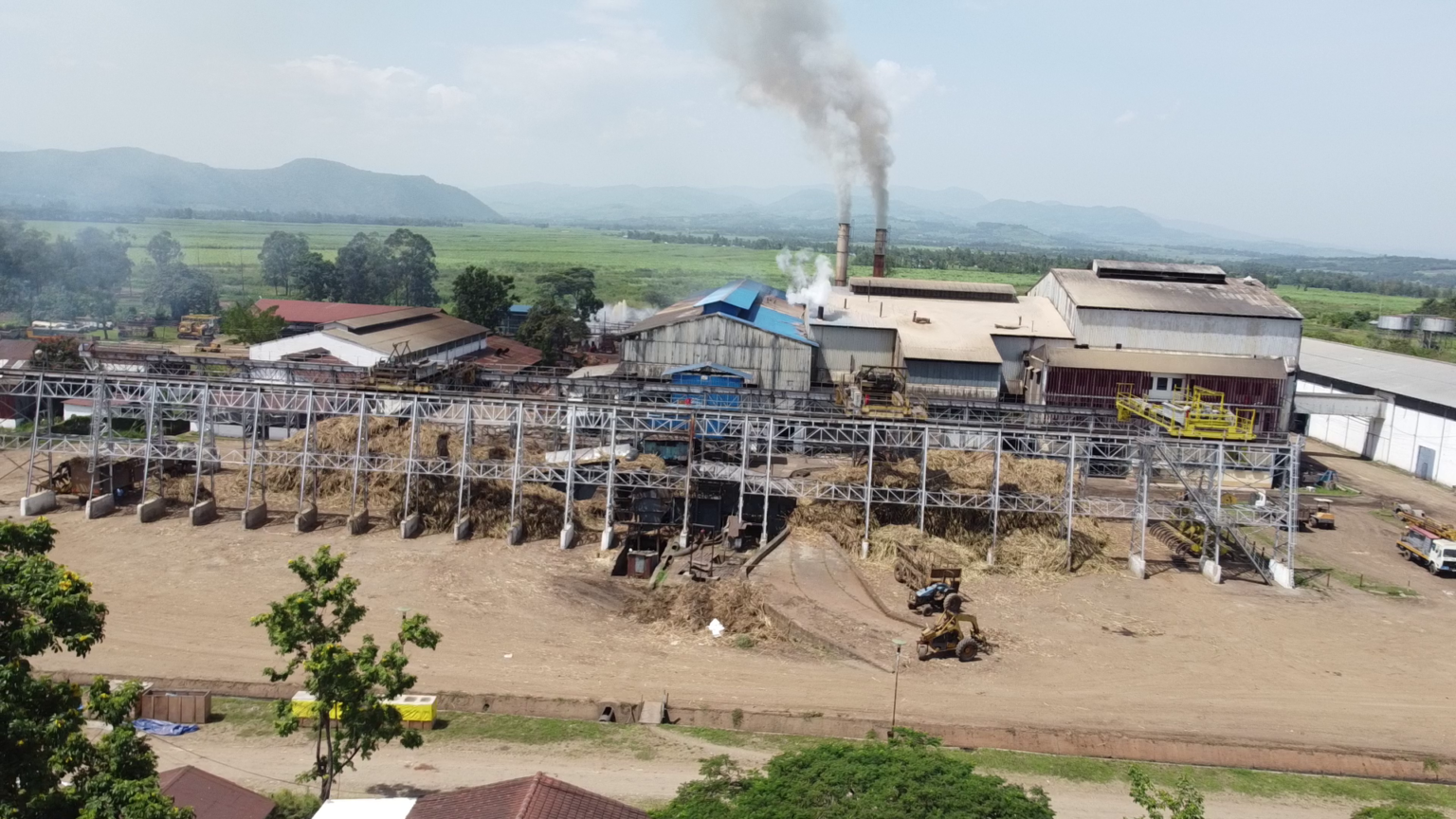
Kenya’s sugar belt is showing renewed signs of recovery after years of decline that saw several state-owned mills collapse under the weight of debt, poor management, aging equipment and delayed payments to farmers.
The revival, driven by factory rehabilitation, private sector investment and government reforms, is restoring optimism across major sugar-growing regions in western Kenya.
For decades, counties such as Kakamega, Bungoma, Busia, Kisumu, Migori, Homa Bay and Kisii depended heavily on sugarcane farming.
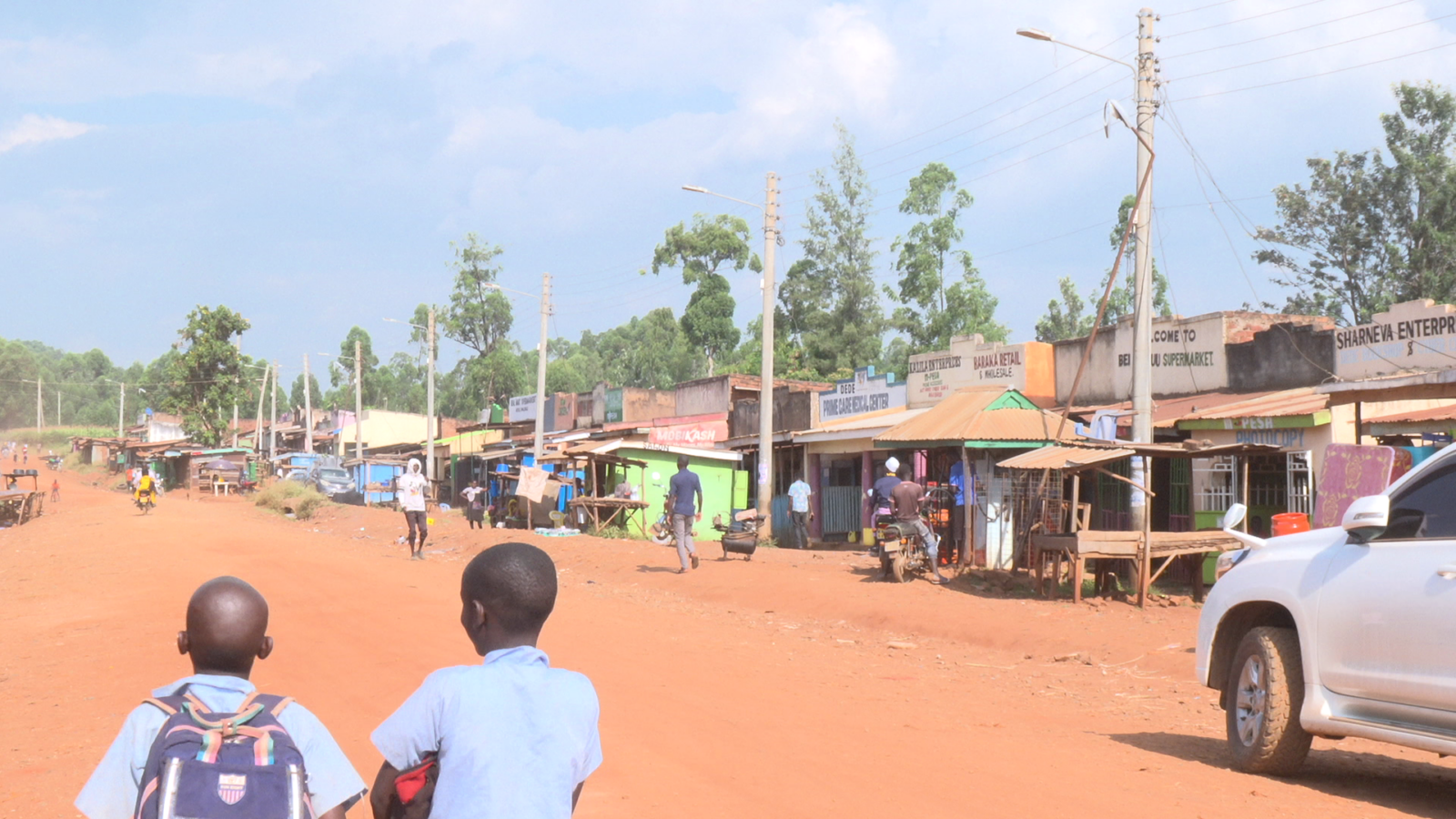
However, the collapse of major mills including Mumias, Muhoroni, Chemelil and Nzoia left thousands of farmers without reliable markets, leading many to abandon cane farming in favour of other crops.
This subsequently led to the economic decline of towns adjacent to these factories, as businesses closed, jobs disappeared, and local economies struggled to survive.
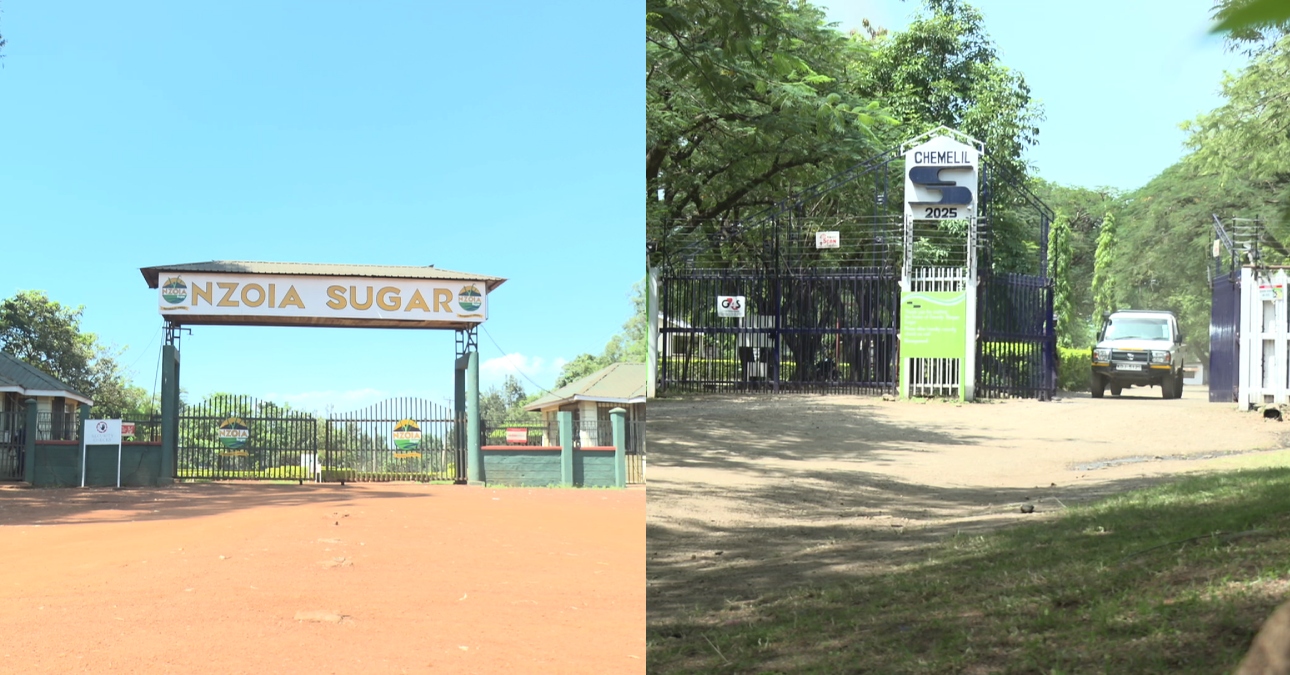
The turnaround began in 2025 when the government leased four state-owned sugar factories Nzoia, Chemelil, Sony and Muhoroni to private investors under 30-year agreements aimed at modernising operations and improving efficiency.
The leases attracted an estimated KSh12.29 billion in private investment for factory rehabilitation and expansion.
A major milestone in the sector’s recovery came on November 1, 2024, when President William Ruto assented to the Sugar Act, 2024 (Act No. 11 of 2024).
This milestone was welcomed by Kenya Federation of Sugarcane Farmers official Killion Osur Anyango, who said the government’s intervention has helped save the struggling sugar industry.

“Before the government-owned sugar milling factories were taken over by private investors, there were numerous delays in payments to farmers who delivered their cane. Sometimes, farmers had to wait for up to two months after delivering their cane, even though it had already been crushed and the sugar produced from it sold. Despite this, the companies still took a long time to pay the farmers,” he said.
“The factories had accumulated huge debts amounting to billions of shillings. We thank the government for stepping in and writing off that debt,” he added.
The law established the Kenya Sugar Board, the Kenya Sugar Research and Training Institute, and the Sugar Development Levy to provide sustainable funding for cane development, factory rehabilitation, research and infrastructure in sugar-growing regions.
The Act also introduced a new regulatory framework aimed at improving efficiency, promoting value addition and protecting the interests of farmers and millers. It officially came into force on November 21, 2024.
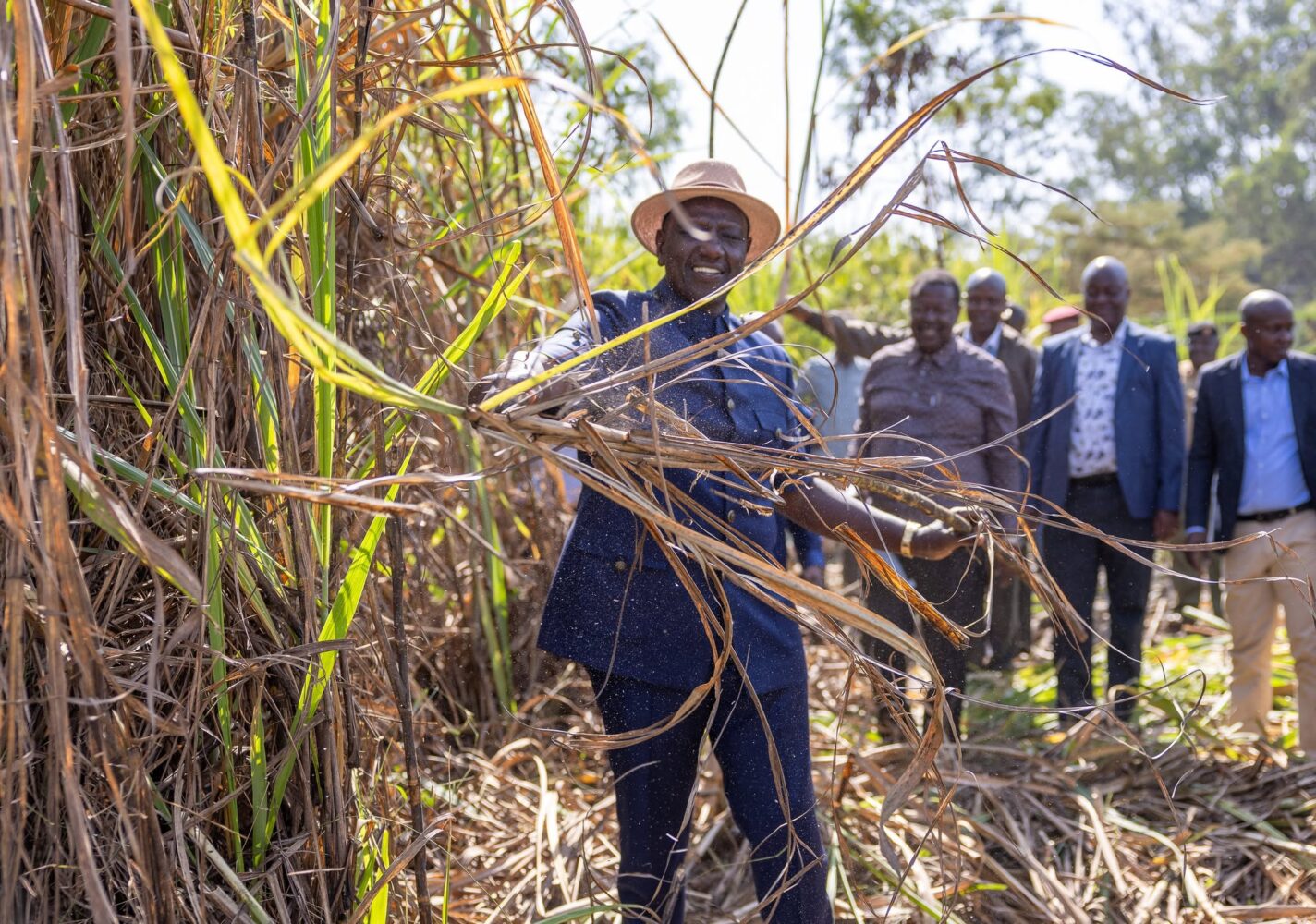
By early 2026, the Ministry of Agriculture reported that Chemelil, Sony, Muhoroni and Nzoia had resumed crushing cane, marking a significant milestone in efforts to revive the struggling industry.
According to Agriculture Principal Secretary Paul Ronoh, the reopening of the mills has improved market access for farmers while creating employment opportunities across the sugar belt.
People working in the sugarcane eco system have reported seeing a change since the revival of the milling factories with those living around the these area reporting a reduction in crime in the villages and area adjecent to the industries.
Bukembe Location Chief Martin Kwata noted that many businesses in the area had closed, while numerous rental properties had been abandoned as residents moved elsewhere in search of work due to the challenges facing Nzoia Sugar Company. He added that cases of insecurity had also increased.

“When the factory closed, there was a sharp rise in cases of cattle theft in the area. Most of the incidents occurred within the company’s nucleus estate, which had been deserted because operations had come to a halt. At one point, we were recording about two cases every week,” Chief Martin Kwata said.
“Now that factory operations have resumed following the leasing arrangement, rental houses in the shopping centres have started receiving tenants again,” he added.

His sentiments were echoed by Chemelil Location Chief Morris Otieno, who said many of the people laid off when the company ran into financial difficulties later turned to crime.
“Many of those who had been doing casual jobs at the factory lost their livelihoods after they were laid off. Some of them became involved in criminal activities that disrupted the community. We reported the suspects to the police, who took the necessary action,” he said.

The revival is also expected to reduce Kenya’s dependence on imported sugar. Although local production remains below national demand, improved milling capacity and better cane husbandry are expected to gradually narrow the deficit.
Kenya has historically produced between 500,000 and 800,000 metric tonnes of sugar annually against an estimated national consumption exceeding one million tonnes, forcing the country to bridge the gap through imports.
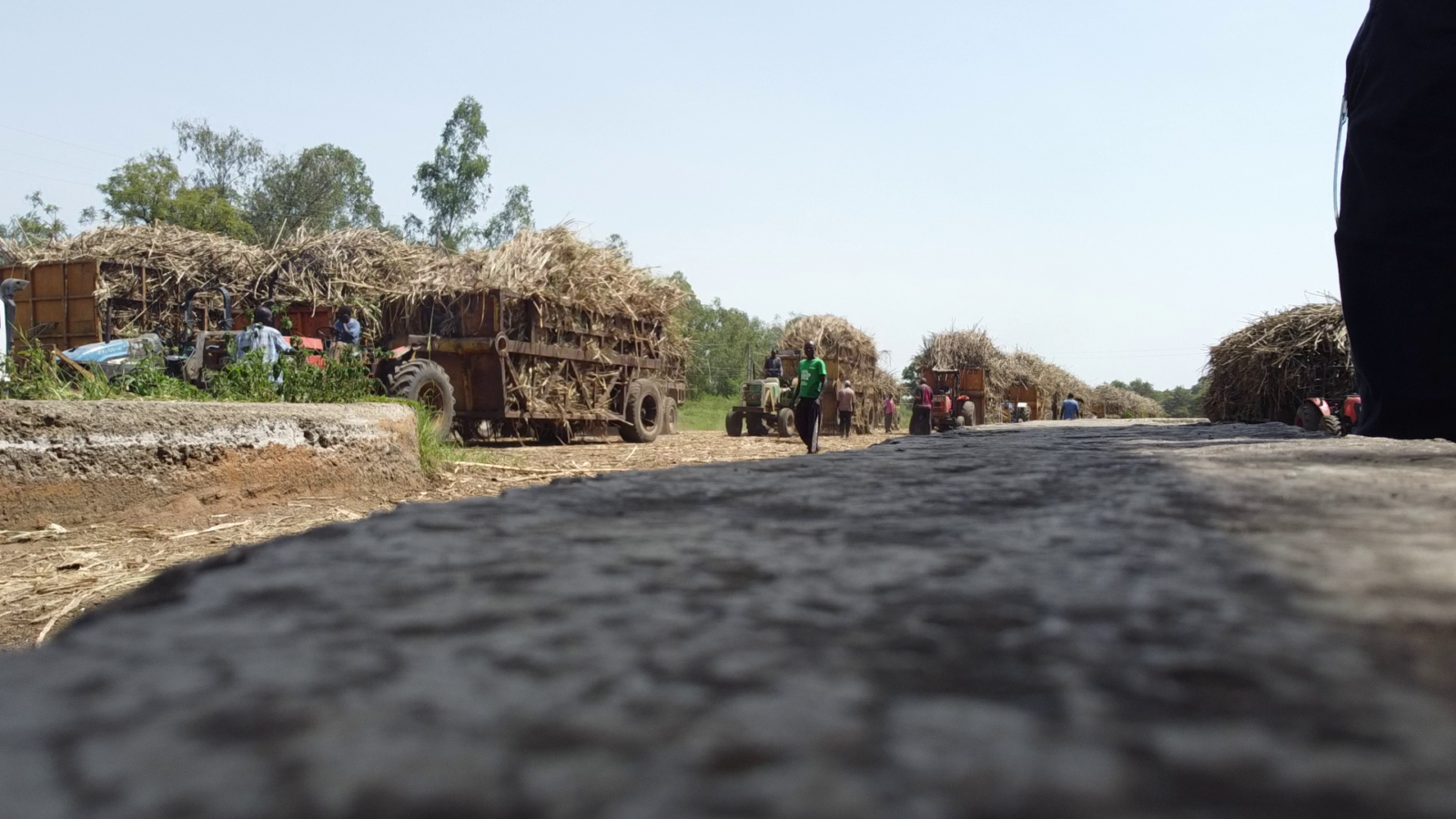
Meanwhile Agriculture Cabinet Secretary Mutahi Kagwe announced that the government will not issue any new sugar import licences, saying local production is now sufficient to meet the country’s demand and protect farmers from unfair competition.
Kagwe maintained that the government is committed to safeguarding local sugar producers by ensuring that imported sugar does not flood the market at the expense of Kenyan farmers.
“We will not issue any new licences for sugar imports because local production is now enough to satisfy the country’s market. Our priority is to protect our farmers and strengthen the local sugar industry,” Kagwe said.

The Cabinet Secretary spoke as preparations gather pace for the election of farmers’ representatives to the Kenya Sugar Board.
The exercise will fill five positions reserved for elected farmer representatives on the board, with the government saying the elections are aimed at giving growers a stronger voice in the management of the sector.
The growth driven by the new leasing model has extended beyond the factory gates, bringing tangible benefits to neighbouring communities.
Among the most noticeable improvements is the rehabilitation of road infrastructure, making it easier for sugar companies to transport cane while also improving mobility for residents who rely on the same roads for their daily activities.
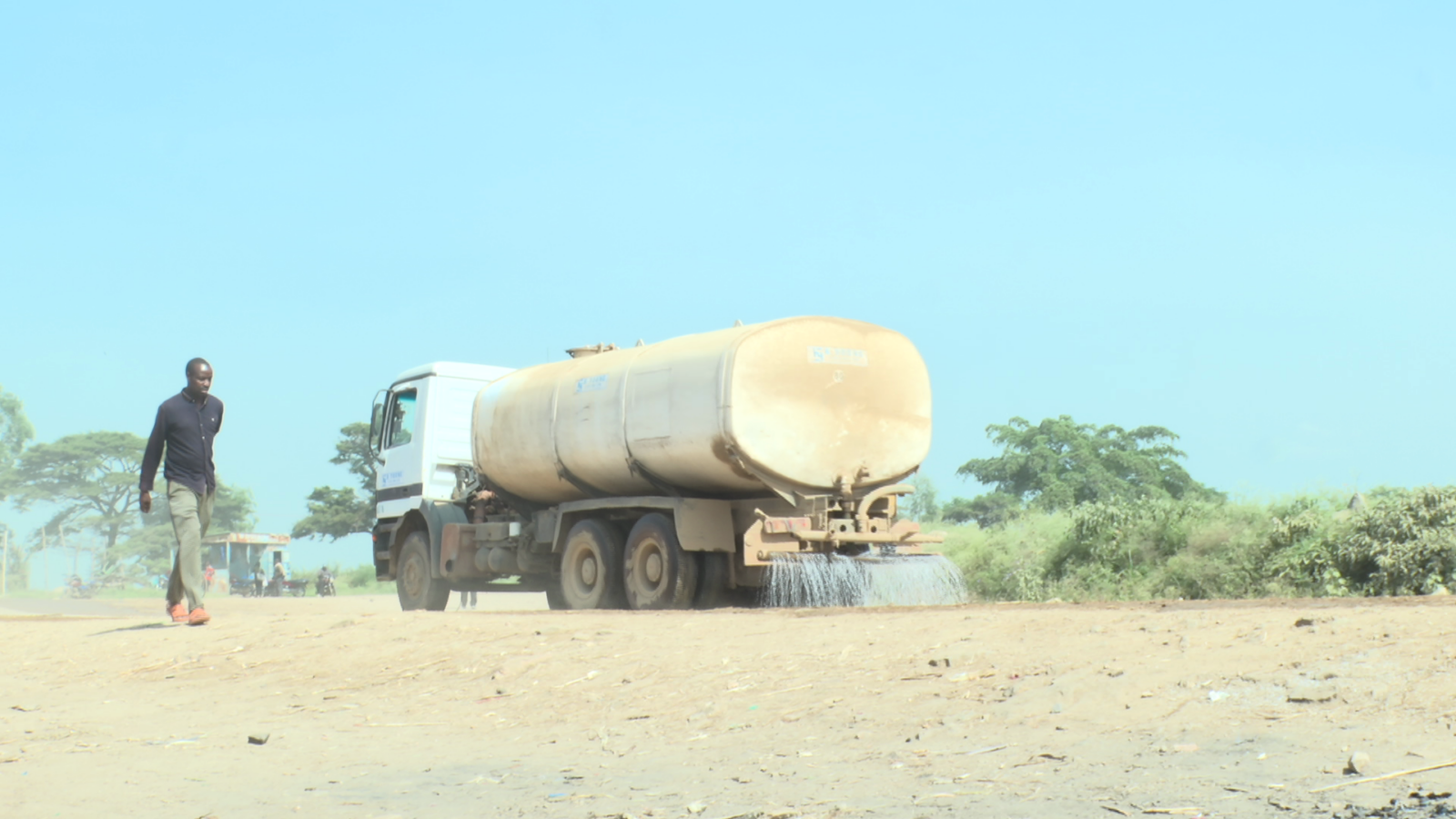
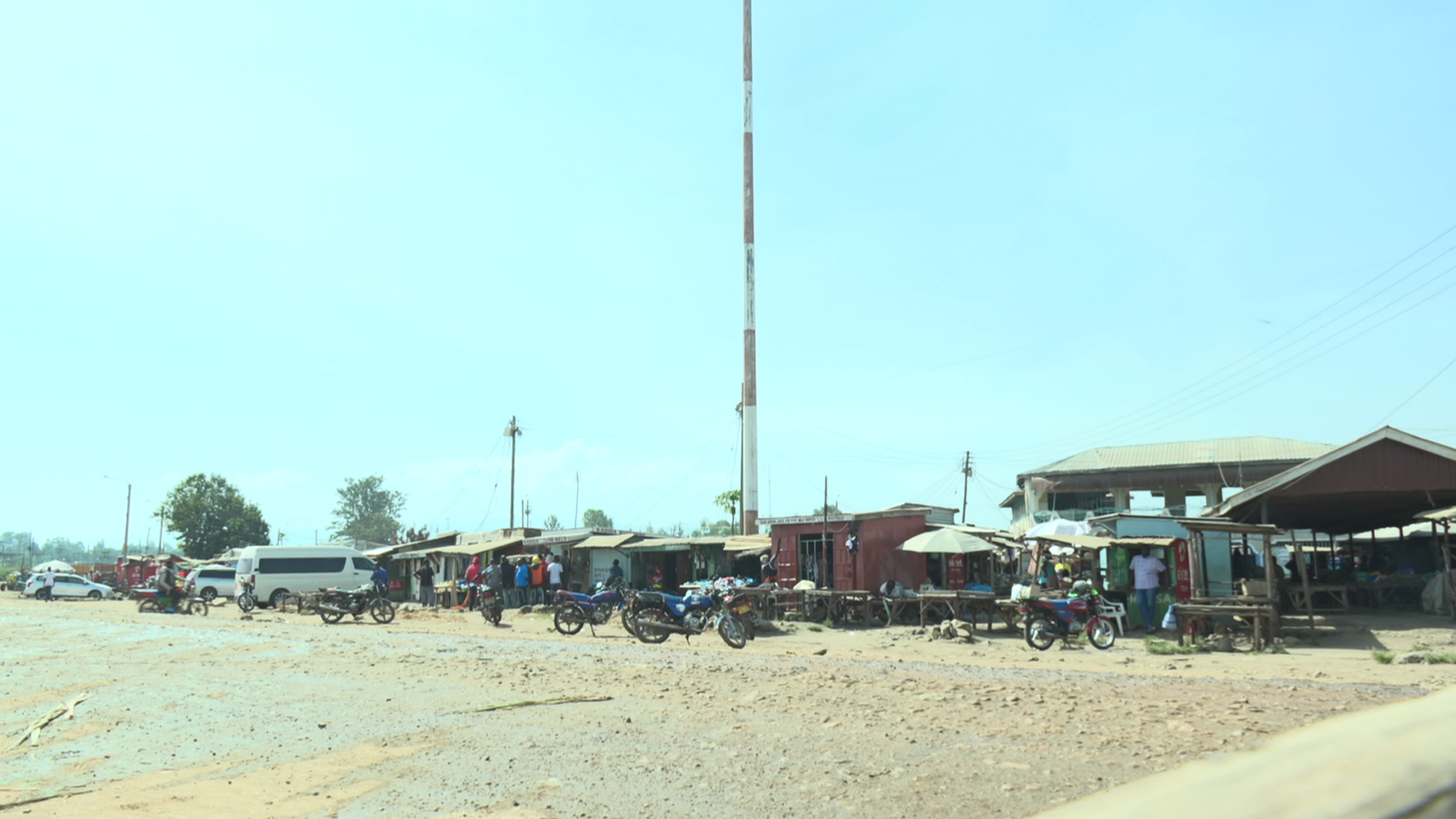
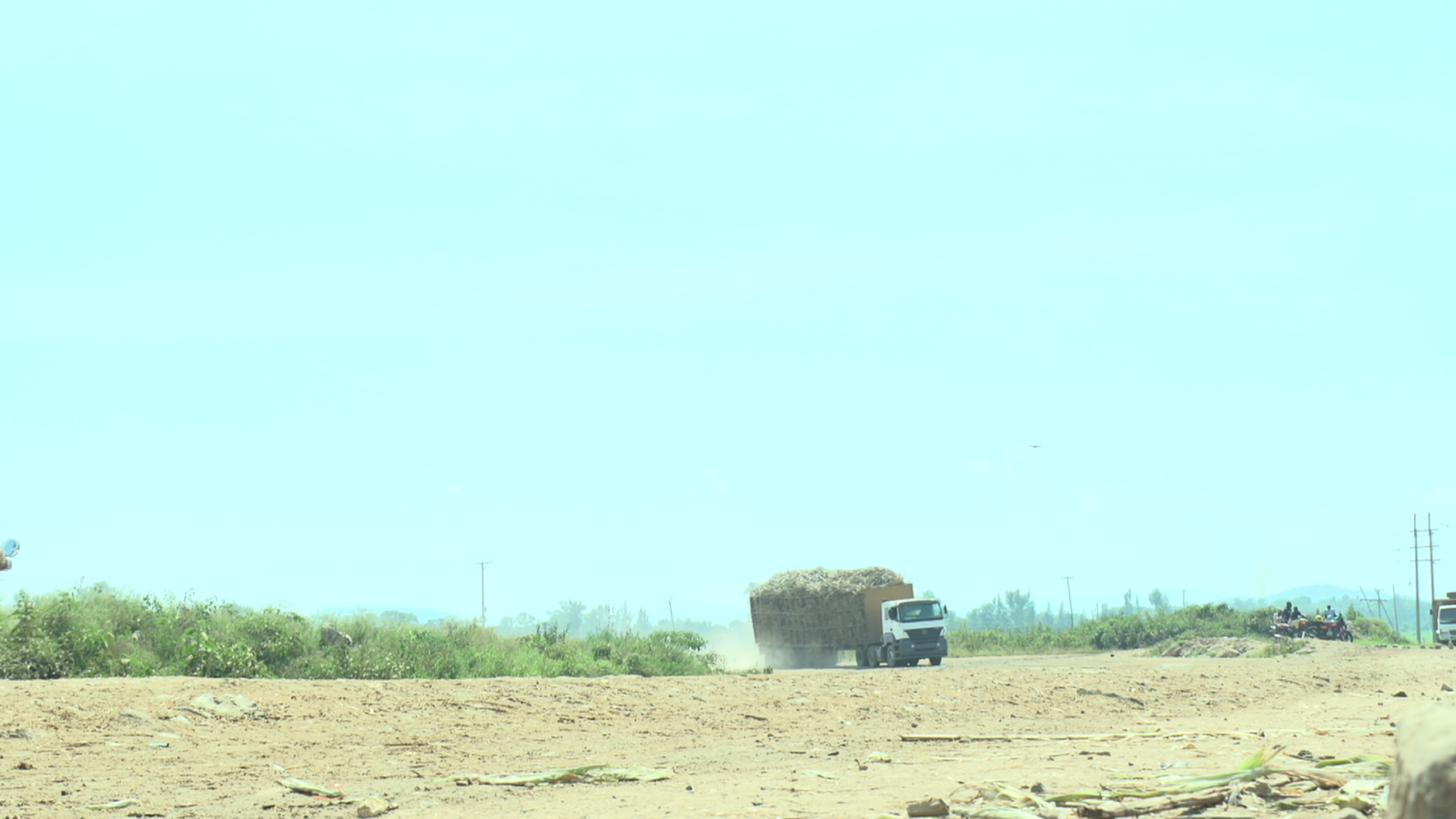

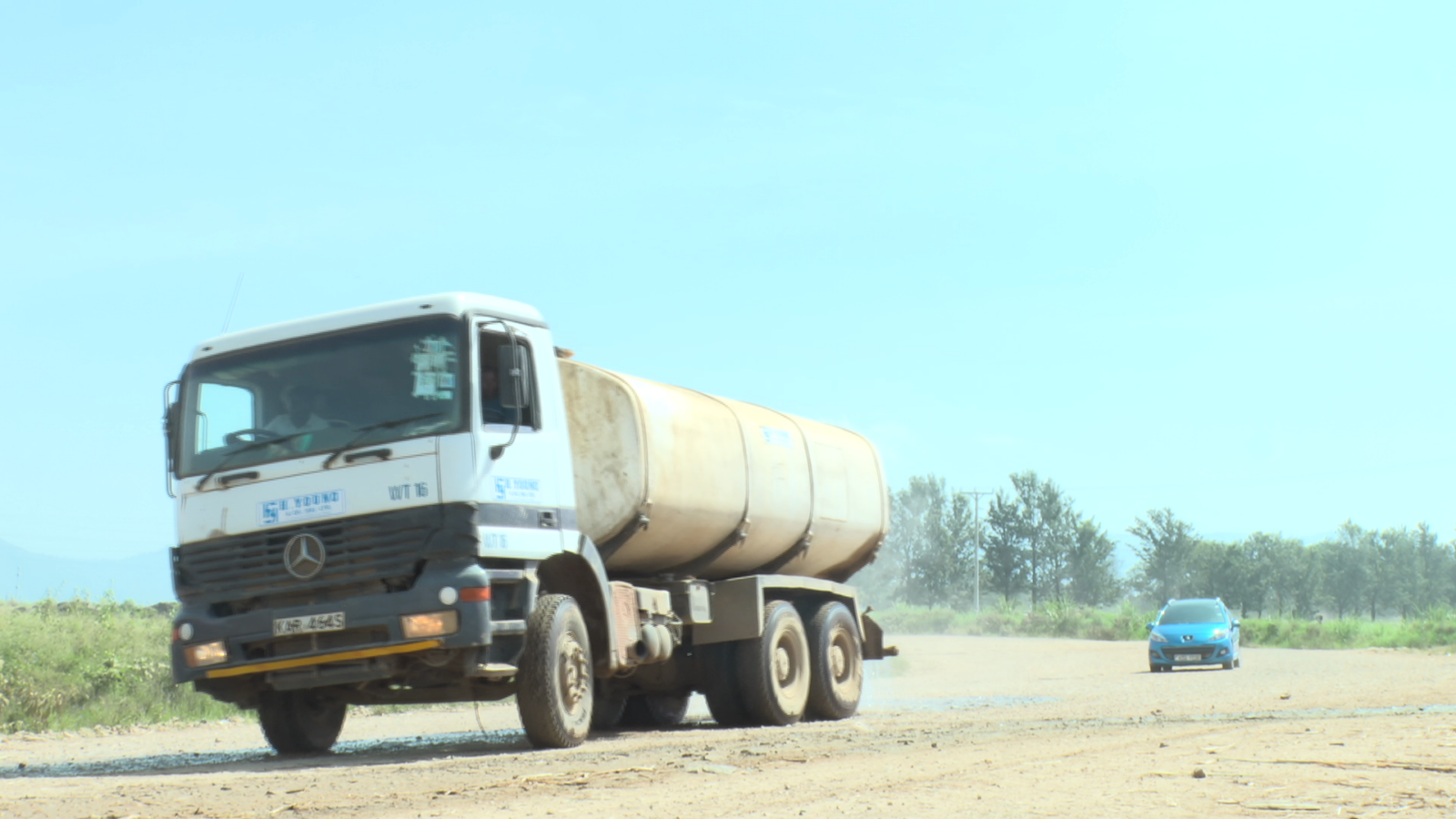
Muhoroni Sugar General Manager James Oluoch said the company has prioritised upgrading roads in key cane-growing areas to improve access for farmers and enhance the efficiency of cane transportation to the mill.
“We have rehabilitated several roads in the region, particularly those leading to areas where we source our cane. This has made it easier for both the company and local farmers to transport cane to the factory,” he said.
Oluoch added that the company is also investing in community development through its Corporate Social Responsibility (CSR) programmes.
“Although we are still relatively new under the leasing arrangement, we have already begun giving back to the community. In the past few months, we have awarded bursaries worth KSh 5.6 million to support the education of children from this area,” he said.

Beyond sugar production, experts say the industry’s future lies in value addition.
Modern sugar factories are increasingly investing in ethanol production, electricity generation from bagasse and the manufacture of industrial by-products, creating additional revenue streams while reducing waste.
This integrated approach has been successfully adopted by several private millers and is expected to strengthen the competitiveness of the sector.
Despite the positive momentum, challenges remain. Inadequate cane supply, low farm productivity, high production costs and competition from imported sugar continue to threaten profitability.
Industry stakeholders have also called for faster adoption of high-yielding cane varieties, improved extension services and timely payments to growers to sustain the gains.
Nevertheless, the revival of Kenya’s sugar belt represents more than the reopening of factories. It signals the return of economic activity in towns that once relied almost entirely on the sugar industry.
If the ongoing reforms are sustained, the sector could once again become a major contributor to rural employment, manufacturing growth and national food security while restoring confidence among thousands of sugarcane farmers.