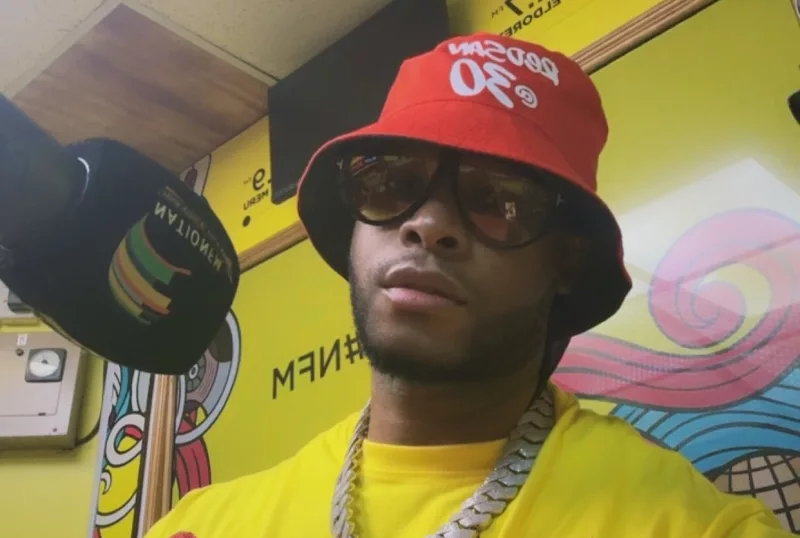
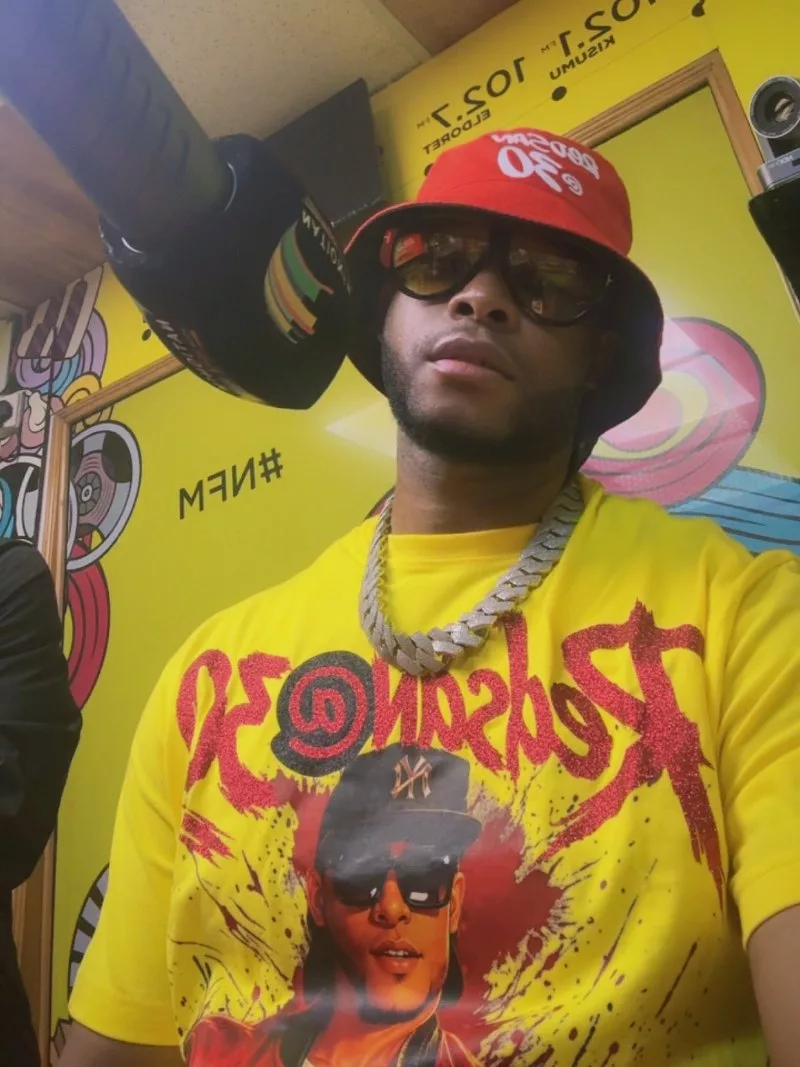
For three decades, Redsan has remained one of the most recognisable names in Kenya’s reggae and dancehall scene. As he marks 30 years in music, attention is turning not only to his biggest hits, but also to the influence he may still have on a younger generation of Kenyan artistes.
Redsan, born Swabri Mohammed, began his musical journey in the 1990s. He won the Star Search competition at Nairobi’s Carnivore in 1998 before becoming associated with Ogopa Deejays, a collective that helped push Kenyan urban music into the mainstream.
His debut album, Seasons of the San, arrived in 2002 and produced songs including ‘Julie’ and ‘Wanipa Raha’. Albums such as Red and Pioneer followed, establishing his distinctive blend of reggae, ragga and dancehall.
A sound that crossed generations
Redsan’s rise came at a time when Kenyan artistes faced a very different music industry.
In a 2013 interview with The Standard, he recalled struggling to get local dancehall played on radio. He said he had to keep pushing despite limited opportunities.
“I did not give up because I knew this was a foundation of something big.”
That foundation helped establish dancehall as a serious part of Kenya’s popular music landscape. His collaborations with artistes such as Jose Chameleone, Bebe Cool, Wyre, P-Square and Demarco also connected Kenyan music to a wider East African and international audience.
What do younger artistes see?
The more interesting question in 2026 is whether that influence can still be heard.
Younger Kenyan artistes are now working in an industry dominated by streaming platforms, short-form videos, Afrobeats, gengetone, amapiano and increasingly hybrid sounds. Yet dancehall remains part of the country’s musical vocabulary.
Kenyan reggae and dancehall artiste Elly Wee, for example, has described his music as a fusion of singing and toasting, while drawing from the foundations laid by earlier reggae and dancehall performers.
That does not mean every new artiste sounds like Redsan. His influence is more visible in the continued use of dancehall rhythms, lyrical delivery, Swahili-English blends and the idea that Kenyan artistes can take a Jamaican-influenced genre and give it a distinctly local identity.
Three decades, still relevant?
Redsan’s recent reflections suggest that his connection with his roots remains important. He recently explained that his 2004 song ‘Shika Glasi’ was inspired by people questioning his Kenyan identity after his close association with Ugandan stars Bebe Cool and Chameleone. He responded by recording the song entirely in Swahili.
“I wrote a full Swahili song… just to tell guys that mimi ni mmoja wenu.”
Now, as he prepares for his 30th-anniversary concert at Nairobi’s Carnivore Grounds on 29 August 2026, the milestone offers an opportunity to measure his legacy against the sound of today’s generation.
The question is no longer simply whether Redsan was influential.
It is whether the blueprint he helped create is still being used — even when the artistes carrying it forward sound completely different.