



Youth in Nanyuki, Laikipia county, have been urged to embrace digital literacy to protect themselves from online predators and take advantage of opportunities in the digital economy.
Laikipia East deputy county commissioner Patrick Muli said young people needed to acquire digital skills to help them safely navigate online spaces and secure employment opportunities.
He said many young people were increasingly exposed to online exploitation because they lacked the skills needed to identify and avoid digital threats.
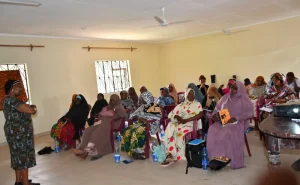
Muli spoke in Nanyuki during the launch of the Binti Digital Literacy Hub.
“I want to call on all Nanyuki youth to enrol in the programme. It will enable them to get job opportunities and avoid exploitation by people seeking to exploit them,” he said.
The programme, run by community-based organisation Binti Mwangaza, targets vulnerable young people from informal settlements, including teenage mothers and boys from Likii, Majengo and other parts of Nanyuki.
The initiative seeks to equip the youth with practical digital skills while exposing them to opportunities in online work and entrepreneurship.
Muli said the programme would provide beneficiaries with a range of skills, including computer literacy, life skills, counselling and time management, which he said would help young people become more self-reliant.
He commended Binti Mwangaza for expanding its programmes beyond menstrual hygiene, sexual education and water, sanitation and hygiene initiatives to include digital training for vulnerable youth.
“We know Binti has been doing a lot in sanitation, water and providing sanitary towels to girls in schools, but now they have gone an extra mile by starting to train youth on computer literacy,” Muli said.
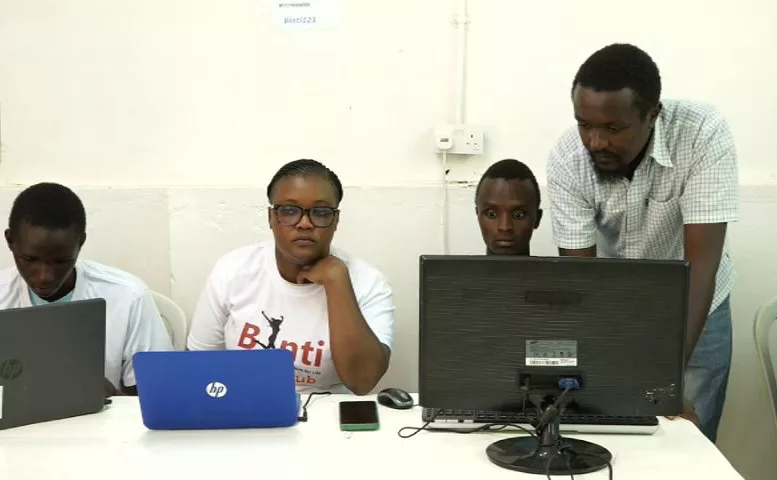
The Binti Digital Literacy Hub is being implemented under the organisation’s mentorship programme, with each cohort undergoing training for three months before graduating and receiving certificates.
Ann Gakii, director of Binti Digital Literacy Hub, said the programme was designed to give young people who had not had an opportunity for formal digital training the skills needed to participate in the modern economy.
She said the first cohort was already undergoing training in computer skills, entrepreneurship and photography, among other areas related to technology.
“Today we are launching the Binti Hub for young adults here in Nanyuki. We are offering computer skills, entrepreneurship, photography and everything that deals with digital skills free of charge under our mentorship programme,” Gakii said.
The organisers said the programme would also incorporate life skills training to help beneficiaries make informed decisions and build confidence as they pursue employment and business opportunities.
Beneficiary Abdi Shakur said the programme had exposed him and other young people to computer skills they previously did not know, while also providing an alternative to harmful activities affecting some youth in informal settlements.
“Many young people in the neighbourhood have lost their way, but this programme is helping us stay focused, open our minds and brighten our future,” Shakur said.
He said the free training had also eased the financial burden on families at a time when many households were struggling to meet the cost of education and other basic needs.
Shakur urged partners and other well-wishers to support similar programmes, saying digital skills could improve young people’s chances of securing employment and accessing the job market.
The call for increased digital literacy came amid growing concerns over the safety of children and young people online.
A report by Childlight Global Child Safety Institute estimates that more than 300 million children globally are victims of technology-facilitated sexual exploitation and abuse every year.
Stakeholders said the rapid growth of technology had created new opportunities for young people but had also increased their exposure to online predators, exploitation and abuse.
They urged parents, community organisations and government agencies to invest in digital education so that young people can understand online risks, protect their personal information and safely use digital platforms for learning, work and entrepreneurship.
The Binti Digital Literacy Hub is expected to continue enrolling vulnerable youth from Nanyuki’s informal settlements, with beneficiaries graduating after completing the three-month training programme.