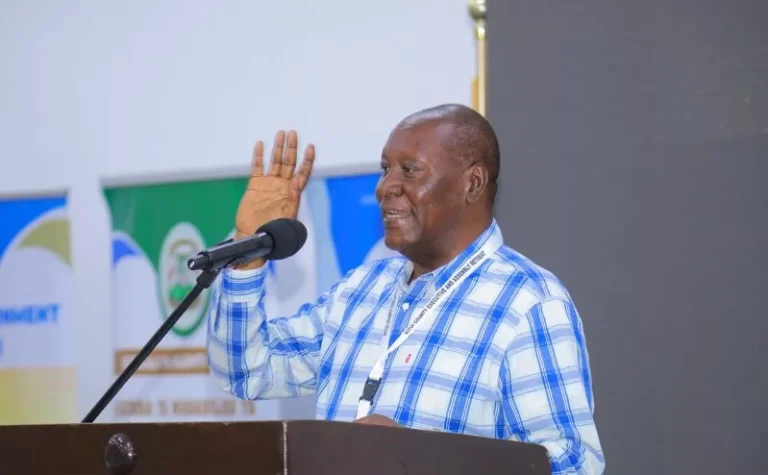



Tana River Governor Dhadho Godhana has urged young Kenyans to marry across communities, saying intermarriage can help build national cohesion and weaken tribalism.
Godhana, however, said marriage alone would not eliminate tribalism. He argued that leaders must deliberately nurture the bonds created through intermarriage.
“People are not taking advantage of that (intermarriages) to drive this country to more of a cohesive nation. Nature has already organised us, that we are now connected by intermarriage. But who takes that as a strength? It is the leadership to nurture it that way,” he said.
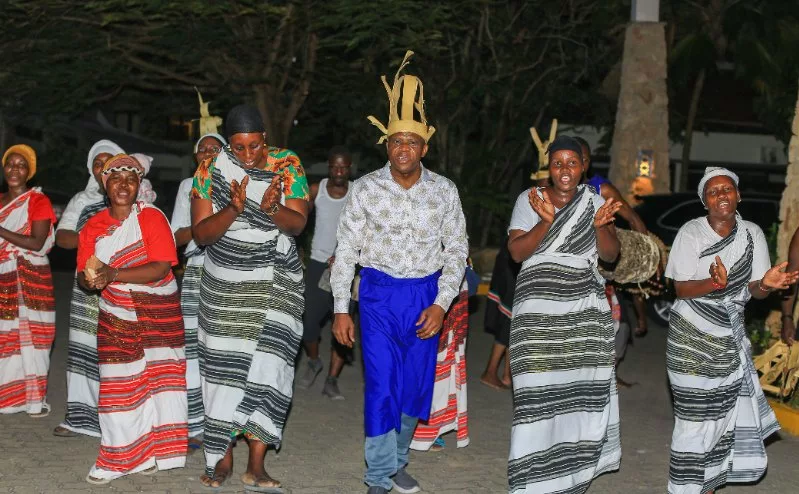
The governor was speaking in Mombasa during the wedding of Emmanuel Munene Mureithi from Embu county and Irene Kauchi Godhana from Tana River county.
Godhana said young people had the best opportunity to break down tribal barriers. He noted that communities that had traditionally married within themselves often remained unfamiliar with other cultures.
He said past clashes in Tana River had partly been fuelled by limited interaction and intermarriage between communities.
Godhana said relations between the Pokomo and Somali communities had improved after deliberate efforts to turn past conflicts into opportunities for reconciliation.
“In Tana there are Ormas of Pokomo origin, Pokomos of Orma origin, Pokomos of Turkana origin, and Ormas of Turkana origin, meaning a rich intermarriage of communities exists,” he said.
He said some of the relationships emerged from past conflicts, including cases involving abductees and hostages, but had over time helped reduce bitterness.
Godhana said the formation of a joint council of elders bringing together indigenous communities had also helped resolve disputes that could threaten peace.
He said Kenya needed to move beyond being merely a country and strive to become a united nation.
“The world today is about social capital and intermarriages help build this social capital,” he said.
For Munene and Kauchi, their marriage is proof that love can cross community boundaries.
The couple met in 2016 while studying law at Egerton University and gradually developed a relationship. Munene said he became interested in learning about Pokomo culture, while Kauchi said she had never imagined marrying an Embu man.
“Community is no longer that big of a factor for even some of our parents once they realise the lovebirds actually love and respect each other,” Munene said.
He urged young people not to allow outside voices to determine whom they should marry.
“Why should someone stop you from marrying someone because they are not from your tribe or community? In fact there is a benefit to it,” he said.
Kauchi called on parents to allow their children to choose their partners based on love and respect rather than tribe.
“Parents should instead guide their children to love and respect anyone they fall in love with and not choose who to be with based on tribe,” she said.