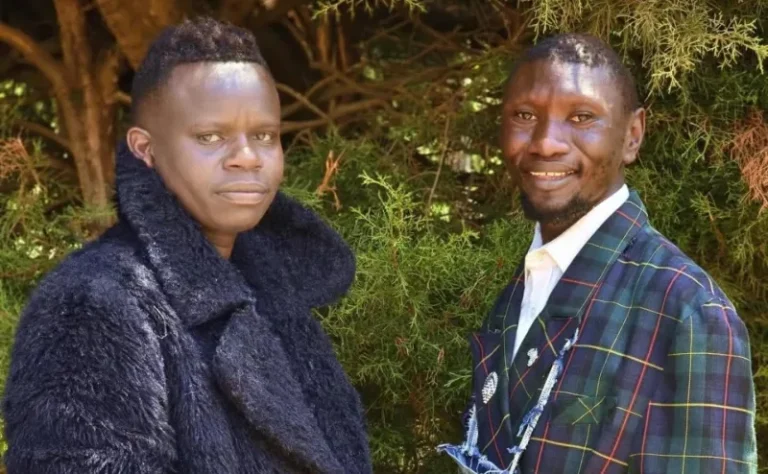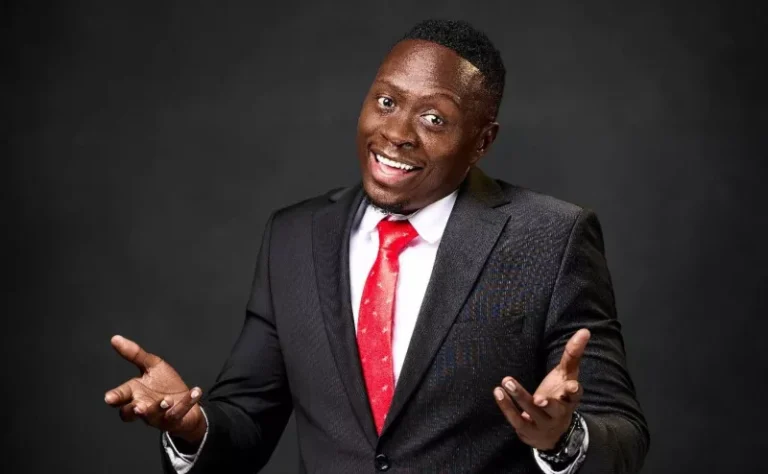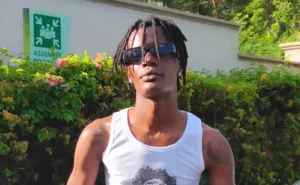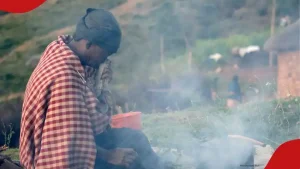

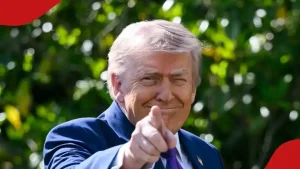


For many Kenyans, the viral “Warembo na Kasongo” skit was simply another hilarious moment from comedian Jaymoh Decin. The satirical clip spread rapidly across social media, inspiring memes, remixes and endless conversations.
However, behind the laughter was a comedian who genuinely feared the consequences of his work.
Speaking in a recent interview on Mic Cheque podcast, Jaymoh opened up about the aftermath of the now-famous skit, revealing that the atmosphere became so tense that he stayed indoors for two days after it was released.
According to the comedian, the reactions went far beyond social media jokes.
“Nilikuwa naingiza njeve”
Jaymoh candidly admitted that he was scared following the video’s explosive reception.
“Nilikuwa naingiza njeve juu ya watu wa Subaru after hiyo skit.”
In Kenya, the phrase “watu wa Subaru” is commonly used online to refer to security officers who are often associated with unmarked Subaru vehicles.
His statement suggests that he genuinely feared he could be picked up following the politically charged satire, especially as conversations around the skit continued to dominate online spaces.
The comedian added that he barely left the house for two days, unsure of what could happen next.

Politicians even called to check on him
Perhaps the most surprising revelation was that several politicians reached out to him after the skit went viral.
Jaymoh disclosed that some leaders called him asking whether he had been arrested.
The calls reflected just how much attention the skit had attracted across the country, with many believing the comedian could face repercussions for poking fun at political issues.
While no arrest ever happened, the concern from politicians showed that the comedy had struck a nerve and become much bigger than a simple online skit.
A skit that captured Kenya’s political mood
“Warembo na Kasongo” quickly became one of Kenya’s most recognizable comedy skits, with thousands of users recreating its catchphrases and sharing clips across TikTok, Facebook and X.
The production blended humour with political satire, a formula that resonated with many Kenyans who felt the skit reflected conversations happening across the country.

Its widespread popularity also demonstrated how digital creators are increasingly shaping public discourse through comedy, using relatable humour to comment on current affairs.
Comedy comes with unexpected pressure
Jaymoh’s latest remarks offer fans a rare glimpse into the pressure comedians sometimes experience after producing politically sensitive content.
Although audiences often see only the humour, creators can find themselves dealing with anxiety, public scrutiny and uncertainty once a video goes viral.
For Jaymoh, the experience was memorable enough that he chose to remain indoors while waiting to see whether anything would happen.
Fortunately, the fears never materialised, and the skit has since gone down as one of the most memorable pieces of political satire in recent Kenyan online culture.
His story is a reminder that behind every viral joke is a creator who sometimes carries the weight of its impact long after the internet has moved on.