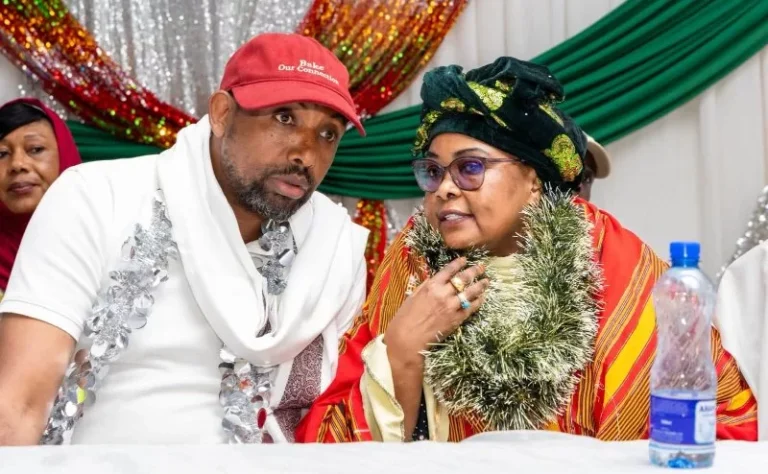



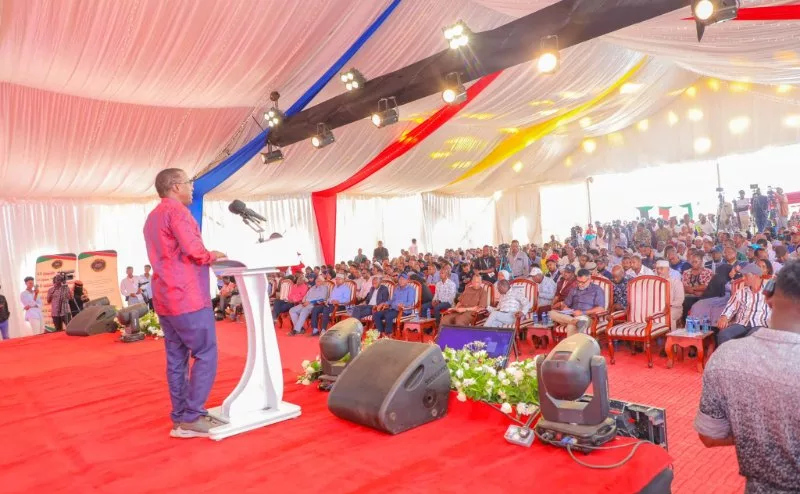
Garissa county assembly speaker Abdi Idle Gure has called for a stronger role for county assemblies in the implementation of devolution and regional integration, saying MCAs must be fully involved in policymaking and oversight if devolution is to achieve its full potential.
Gure who spoke during the second day of the Fourth Devolution Sensitisation Week in Garissa called for closer collaboration between county assembly speakers and the Council of Governors (CoG).
He also appealed for the inclusion of county assembly speakers in the governance structures of the Frontier Counties Development Council (FCDC), saying their participation would strengthen accountability and regional integration.
“County assemblies are not spectators in the devolution journey. We are constitutional institutions charged with legislation, oversight and representation, and our voice must be part of regional planning and decision-making if devolution is to deliver lasting transformation,” Gure said.
The week-long forum, themed Devolution for Better Health, Empowered Communities, has brought together governors, legislators, development partners and national government officials to assess the progress made under devolution 13 years after its introduction.
Gure said Garissa has experienced significant transformation under devolution, citing the establishment of municipalities in Dadaab, Balambala, Bura East, Modogashe and Masalani, with Hulugho municipality also nearing completion following public participation.
He said the success of devolution should be measured by its impact on citizens through improved access to services, inclusive governance and sustainable development.
“The true measure of devolution is whether it changes the lives of ordinary wananchi. It is about bringing services closer to the people, creating opportunities and ensuring every citizen has a voice in how resources are used,” he said.
Council of Governors CEO Mary Mwiti said devolution has surpassed expectations despite the challenges experienced since its inception.
“Thirteen years into devolution, it is no longer just a promise — it is a reality. We can confidently say devolution is working because essential services, especially healthcare, have been brought closer to the people,” Mwiti said.
She challenged counties to ensure public participation genuinely influences budgeting and development priorities, saying citizens must remain at the centre of county planning.
Health Cabinet Secretary Aden Duale said the success of Kenya’s devolved health system depends on cooperation between the national and county governments.
“The Ministry of Health will continue working hand in hand with county governments because quality healthcare can only be achieved through partnership, consultation and mutual respect,” Duale said.
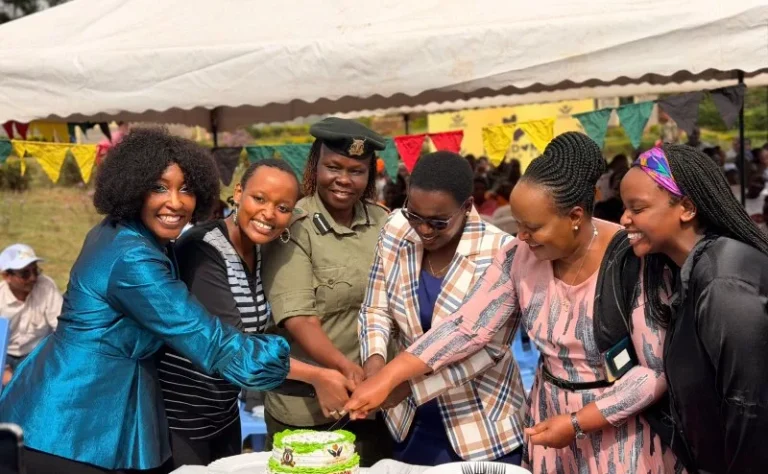
The forum also featured exhibitions on the pastoral economy, food security and cultural heritage, alongside free medical camps, legal and land clinics, and community barazas to raise awareness of devolved services.