
Informal e-waste collectors and repairers are pushing for legal recognition under Kenya’s proposed electronic waste recycling law.
They argue that thousands of young entrepreneurs operating in the sector should be integrated into the country’s formal waste management framework.
The push follows recommendations submitted to the Senate ICT Committee by the PowerUp programme, which has trained more than 2,100 young e-waste entrepreneurs across seven counties over the last three years.
The programme said it presented a position paper on the proposed Electronic Equipment Disposal, Recycling and Reuse Bill, calling for the inclusion of informal sector players, clearer institutional mandates and proportionate enforcement measures informed by realities on the ground.
The recommendations are based on the programme’s experience training and supporting informal e-waste collectors and repairers, many of whom currently operate outside the formal recycling system despite playing a central role in collecting and repairing discarded electronic devices.
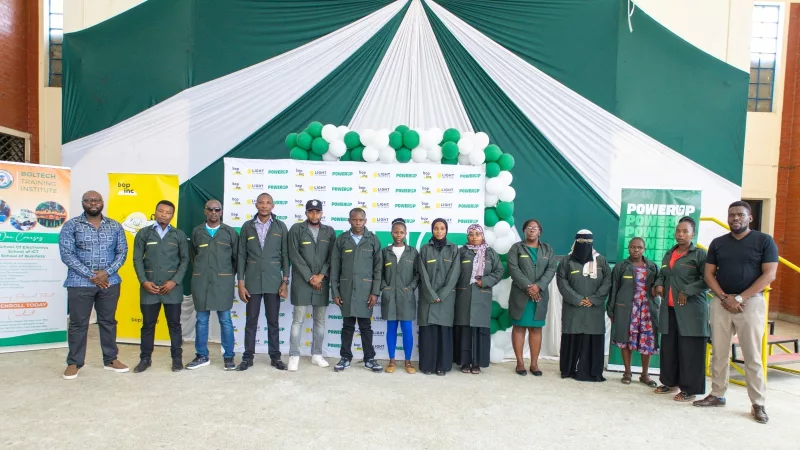
The policy push came as the programme graduated its final cohort of 274 young e-waste entrepreneurs on Thursday, comprising 149 collectors and 125 repairers.
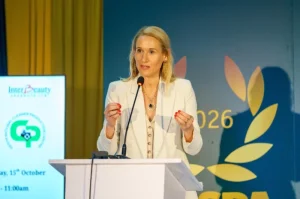
“What we are seeing on the coast reflects a growing shift in the e-waste sector. More women are joining the training, young people are eager to learn and build sustainable businesses, and for instance the Mombasa County Government has been instrumental in supporting this effort,” said Bopinc senior program manager Ebenezer Amadi.
The programme jointly implemented by Bopinc and Light for the World Kenya with funding from the IKEA Foundation, has trained 2,189 young entrepreneurs nationwide, including 741 e-waste collectors and 1,174 electronic repairers.
A total of 218 trainees are persons with disabilities, while women accounted for more than 40 per cent of all participants.
Kenya generates large volumes of electronic waste annually, but only a small fraction is formally recycled, leaving discarded electronics to accumulate while valuable materials and economic opportunities are lost.
According to environment conservation lobby group Greenpeace, Kenya generates approximately 55,956 tonnes of electronic waste annually, making it one of the country’s fastest-growing waste streams.
Less than 1 per cent of this total e-waste volume is formally collected and recycled, leaving the vast majority to enter informal scrap and disposal networks.
PowerUp says integrating informal collectors and repairers into the legal framework would improve recycling rates while creating sustainable jobs for young people.
Amadi said the Mombasa trainees collected one tonne of e-waste during the training, demonstrating that environmental conservation and business development can go hand in hand.
With the training phase complete, the programme will now evaluate business growth, income generation and employment outcomes among graduates.