



A Kenyan TikTok creator identified as Vera has amused social media users after sharing a light-hearted post about the small habits she hopes to leave behind as she works towards a better life.
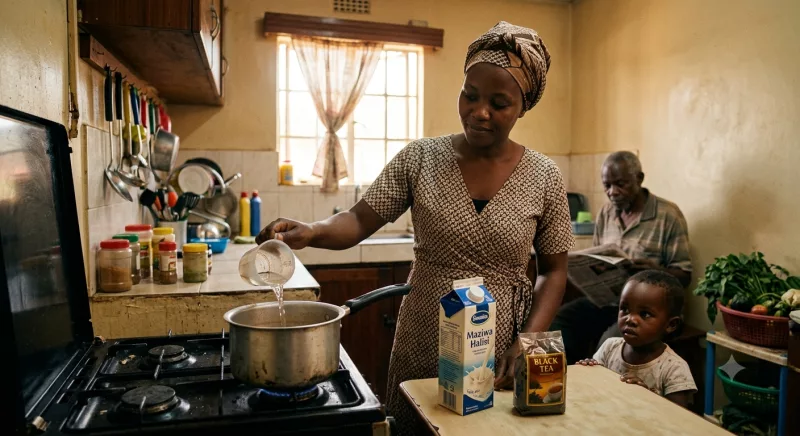
In the video, Vera joked that there is one sign of financial hardship she wants God to remove from her life: adding water to milk when making tea.
“Kuna umaskini nataka Mungu aniondolee, kitu kama kuongeza maji kwa maziwa ya chai.”
Her comment resonated with many Kenyans, who viewed it as a humorous reflection of the everyday adjustments households sometimes make to stretch food supplies and manage rising living costs.
Everyday experiences strike a chord.
Rather than focusing on luxury, Vera’s post centred on ordinary routines familiar to many families. The playful tone encouraged followers to share their own habits they associate with trying to save money.
Adding water to milk for tea is a practice some households adopt to extend the shelf life of milk, particularly during periods of high food prices.
Followers respond with humour.
The post attracted dozens of playful reactions, with users sharing their own experiences.
One user, Reign by Grace, disagreed with Vera’s view, writing: “That’s not poverty. If it’s too thick it makes me nauseous.”
Another follower, NJOROGE, joked: “Ata mimi nikifunga macho sionangi mtu😂.”
User notyetdrdavie✨✨👌 added: “That’s what makes it tea though not boiled milk 😂😂.” Nahason.k joked that water is the main ingredient in tea anyway, writing: “But maji is the primary ingredient; maziwa ni additives ama😂.”
Others shared the habits they hoped to leave behind.
阿比盖尔 commented: “Mimi niondolewe kutembea na calculator Supermarket.”
Meanwhile, GYPSUM & FITTING DESIGNS wrote: “Kufold tissue after umetumia.” Another user, Mozenga254, admitted: “Nimetoka kuongeza maji tu saiii😂😂😂😂. Mungu niondolee pia.”
Humour amid everyday realities
While the comments were largely playful, they also reflected shared experiences around budgeting and making household essentials go further.
For many viewers, Vera’s post was less about poverty itself and more about celebrating the hope of better days while finding humour in the ordinary moments that many Kenyans can relate to.