When South Africa takes to the pitch in major international tournaments, many expect the rest of Africa to rally behind the continent’s representatives.
Yet social media discussions during recent football competitions have suggested otherwise. Some supporters have questioned why fans from certain African countries appear reluctant to support fellow African teams, even when they are the continent’s last remaining representatives.
The debate has sparked a broader conversation about African unity, historical divisions, and the realities of modern national identity.
“When one African team succeeds, should the continent celebrate together?”
National Pride Versus Continental Loyalty
Football has always been driven by emotion.For many fans, loyalty begins with their own nation. Once their team is eliminated, support often shifts according to personal preference rather than geography.
Sports analysts note that this is not unique to Africa. European nations do not always support one another, nor do countries in South America.
However, because of the long-standing idea of Pan-Africanism, expectations of continental solidarity tend to be higher across Africa.
The African Union currently consists of 55 member states, each with its own history, culture, and national interests. While united geographically, the continent remains diverse in language, politics, and identity.
Historical Bonds and Historical Wounds
The idea of African solidarity has deep roots.During the struggles against colonialism and apartheid, many African countries supported liberation movements across the continent.
South Africa’s fight against apartheid received backing from governments, organisations, and citizens from several African nations.
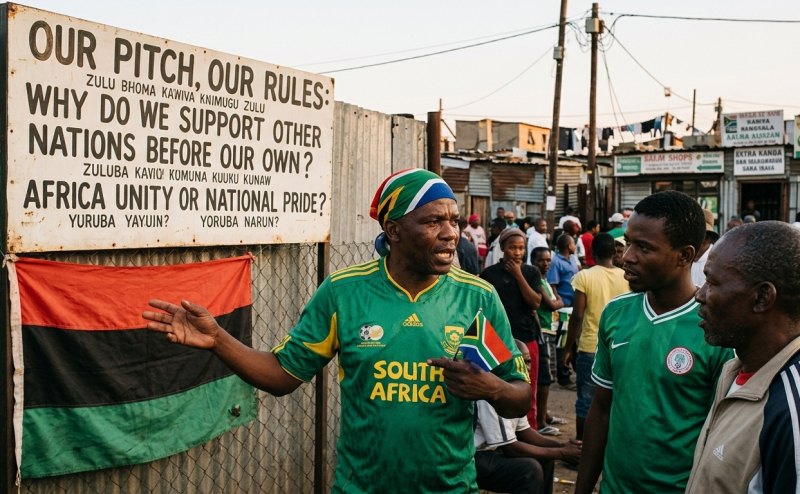
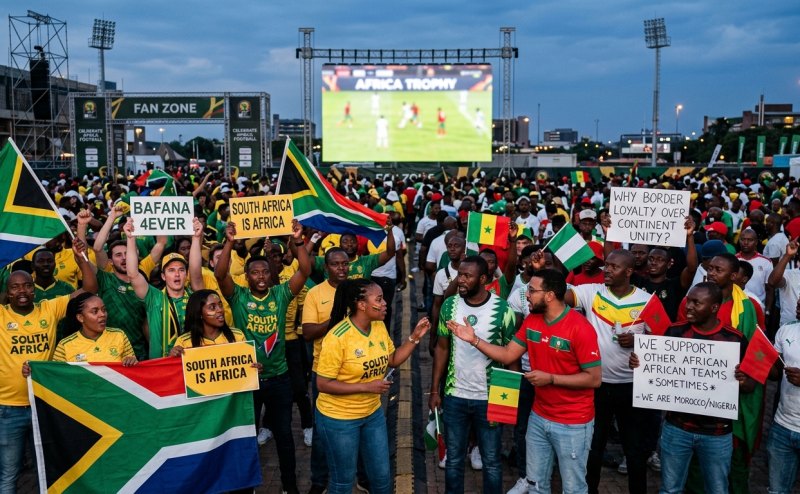
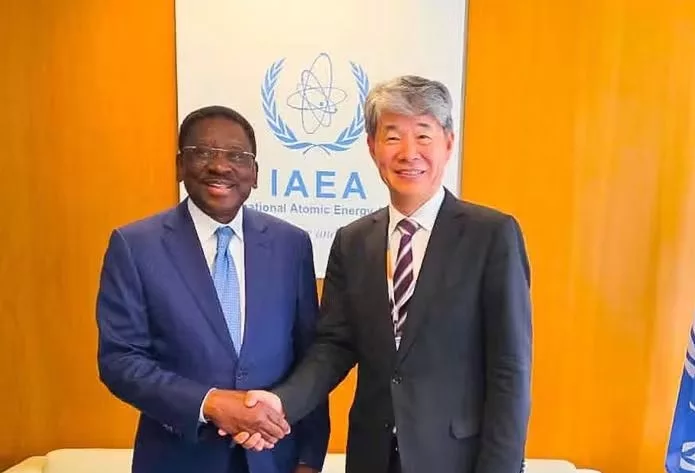
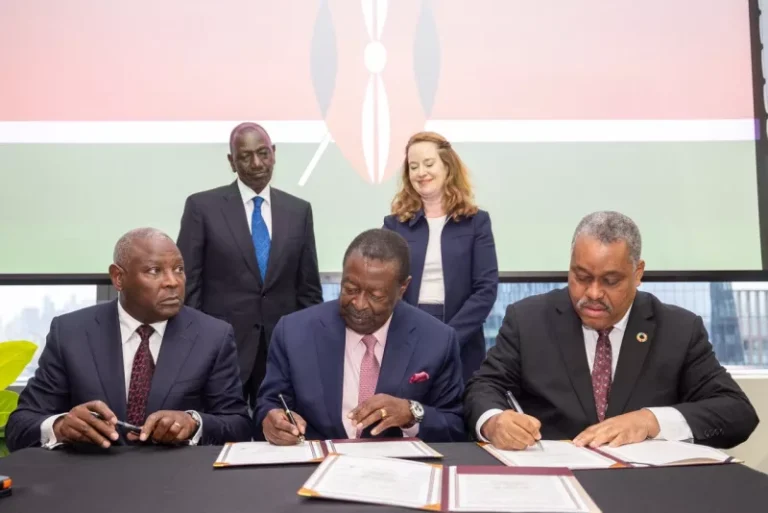
Image describing unity // Gemini
Yet history has also produced tensions.Border disputes, political rivalries, and competition for regional influence have sometimes strained relationships between neighbouring states.
Historical grievances have occasionally shaped how nations view one another long after the original conflicts ended.
“History can unite people, but it can also leave lasting scars.”
Cultural Friction and Modern Perceptions
Language, culture, and migration have also influenced perceptions.In recent years, incidents of xenophobic violence in South Africa have attracted attention across the continent. Some critics argue that such events have damaged the country’s image among fellow Africans.
Others caution against judging an entire nation by the actions of a minority.
Cultural misunderstandings, online stereotypes, and social media debates often amplify divisions that may not reflect the views of ordinary citizens.
Geography, Power, and Competition
Regional power dynamics also play a role.Countries such as South Africa, Nigeria, Egypt, Morocco, and Kenya often compete for influence in business, diplomacy, sport, and culture.
Competition can create admiration, but it can also generate rivalry.As African economies become increasingly connected, questions about leadership and influence continue to shape public opinion across borders.
More Than a Football Match
Ultimately, the discussion goes beyond football.It touches on how Africans see themselves and one another in a rapidly changing world.
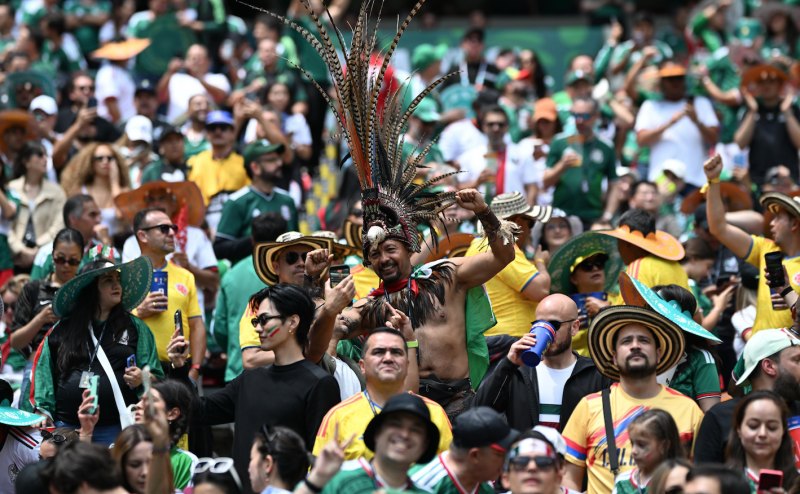
Fans are seen before the Group A match between Mexico and South Africa at the 2026 FIFA World Cup at Mexico City Stadium
While national pride remains powerful, many believe continental cooperation remains essential for addressing shared challenges and opportunities.
Whether in sport, business, or politics, the debate highlights a question that continues to resonate across the continent:
“Can Africa celebrate its diversity while still standing together when it matters most?”