


The Murang’a government has connected its hospitals to satellite internet technology, a move expected to improve healthcare delivery, telemedicine services and digital records management across the county.
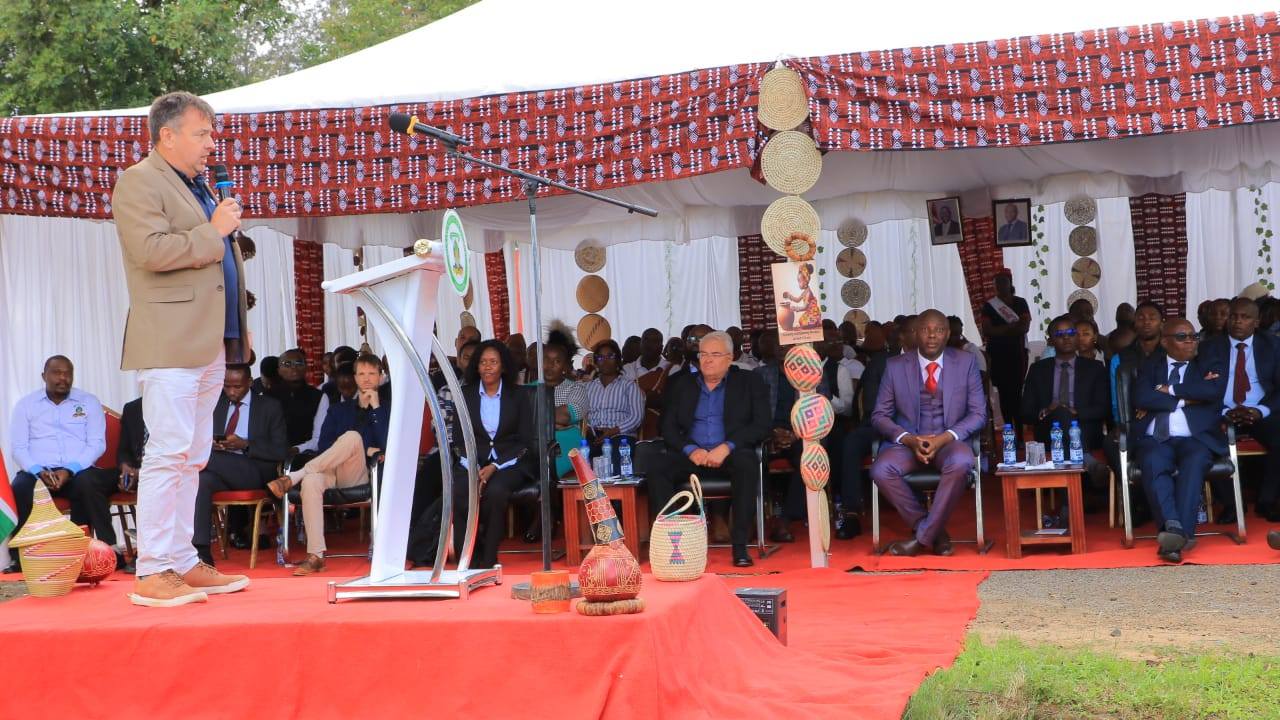
The internet upgrade, implemented in all 170 public health facilities through a partnership between the county government and Paratus Group was officially launched at the Telemedicine Hub at Muriranjas Hospital in Kahuro, Kiharu constituency.
Paratus Group is a certified Starlink installer and service provider,
Governor Irungu Kang’ata said the county has moved away from unreliable WiFi and fiber internet systems that has for years disrupted healthcare services whenever connectivity failed.
“From today, God willing, that problem has been resolved. We have moved to satellite internet provided by Starlink,” Kang’ata said.
He said all county health facilities had been fitted with Starlink satellite dishes, assuring residents that the new system will provide stable, faster and cheaper internet connectivity in hospitals.
Kangata said the improved connectivity will also ease patient referrals between facilities, especially in remote areas where specialist healthcare services remain limited.
The internet upgrade will also reduce operational costs significantly, allowing more resources to be directed towards purchase of drugs, employment of healthcare workers and improvement of medical infrastructure.
The county has been struggling with unstable internet connectivity since the start of its healthcare automation because fiber internet was only available in major towns while other providers experienced frequent downtimes.
The county now intends to expand internet access beyond healthcare facilities by allowing nearby schools, churches and institutions located close to public hospitals to subscribe to the satellite internet service at affordable rates through the county government.
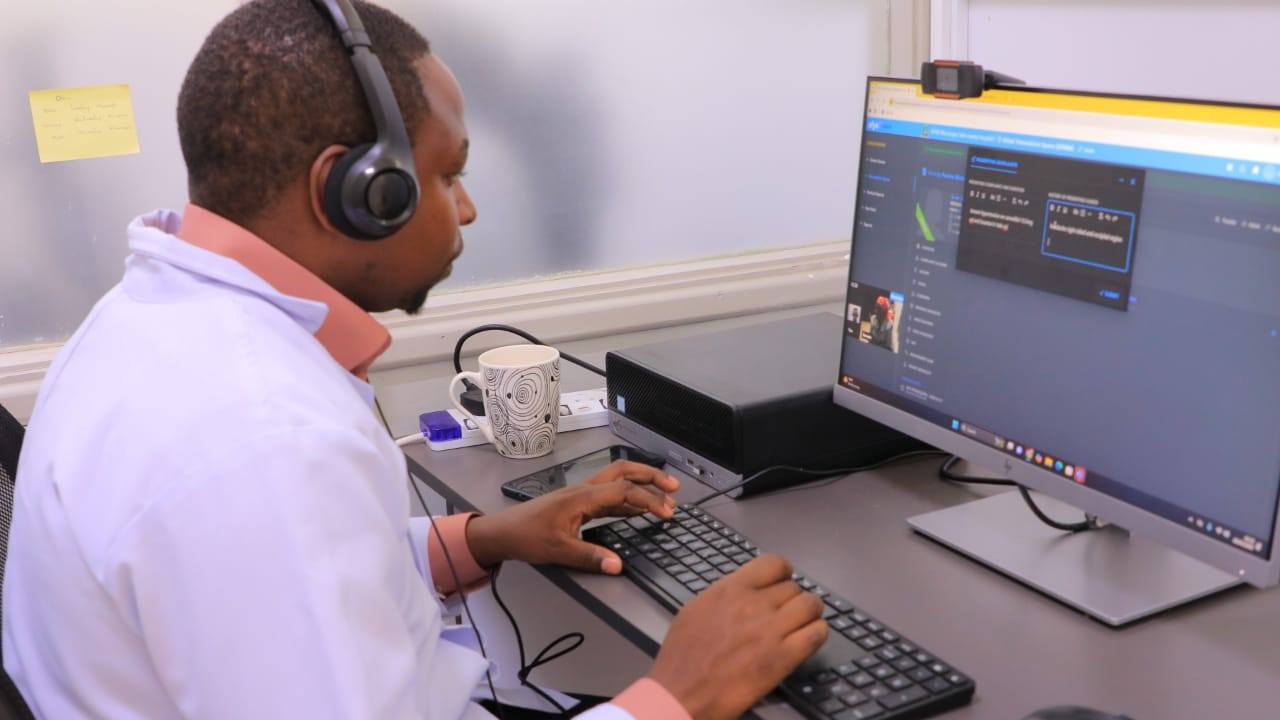 A medic attending to a patient through the Telemedicine system at Muriranjas sub county hospital in Kahuro, Murang’a/ ALICE WAITHERA
“Internet today is just as important as roads, water and electricity. Prosperity is now being built on internet and affordable connectivity is an essential marker of development,” Kangata said.
Those interested in getting connected were urged to write to the health department, indicating their closest hospital to access fast and cheap internet.
The county government said the internet upgrade complements its ongoing solarisation programme targeting all public health facilities to ensure uninterrupted healthcare services even during power outages.
Under the programme, 140 health facilities are expected to be fully solarised by June 2026 while the remaining facilities will be completed by June 2027.
Martin Cox, Paratus Africa Group Chief Commercial Officer, said the project demonstrates how Low Earth Orbit satellite technology can transform public services by providing reliable and affordable internet connectivity even in remote areas where traditional infrastructure remains weak.
He noted that internet access had historically remained expensive and inaccessible to many communities across Africa, limiting opportunities in sectors such as healthcare, education, trade and public administration.
“With satellite technology, we have managed to bring the cost down significantly while providing reliable and very fast internet. The savings made can now be invested in drugs, healthcare workers and additional medical facilities,” Cox said.
“With this technology, the satellites are about 500km above the earth surface. It provides very reliable and very fast internet. And working with Starlink, we’ve also been able to bring the cost down to make it very affordable,” he added.
Barney Harmse, the group chief development officer, said the company is keen on expanding connectivity across Kenya and other African countries through partnerships aimed at supporting digital transformation in sectors including health and education.
“What we have seen in Murang’a proves that technology can transform lives by bringing services closer to people, especially those living far from major towns,” Harmse said.
He added that the partnership will help bridge the digital divide by connecting schools, clinics and public institutions using satellite technology across underserved regions of the country for many years ahead.
The company has pitched camp in 16 countries, covering a population of about 500 million people.
“The impact of connected schools access to the right teacher, has been profound. In the same way we’ve seen here today a doctor talking to a patient that is either 30km or 60km away. It’s amazing,”