
For decades, Northern Kenya was too often defined by absence. Absent from national conversations, absent from major state investments and frequently viewed through the narrow lens of hardship, insecurity and marginalisation.
But today, a different story is emerging from the dusty plains of Wajir.
It is a story of resilience, dignity, inclusion and possibility.
As Kenya prepares to mark 63 years since attaining internal self-rule, Wajir county is not only preparing to host the nation for Madaraka Day celebrations on June 1, but is also positioning itself to redefine how the country views Northern Kenya.
Across the county, one sentiment is becoming increasingly clear: Wajir is no longer on the periphery of Kenya’s story — it is now firmly part of the national conversation.
The turning point came with President William Ruto’s decision to host this year’s national celebrations in Wajir, marking the first time since independence in 1963 that Northern Kenya will host a national day event.
To many residents, the decision carries significance far beyond ceremony.
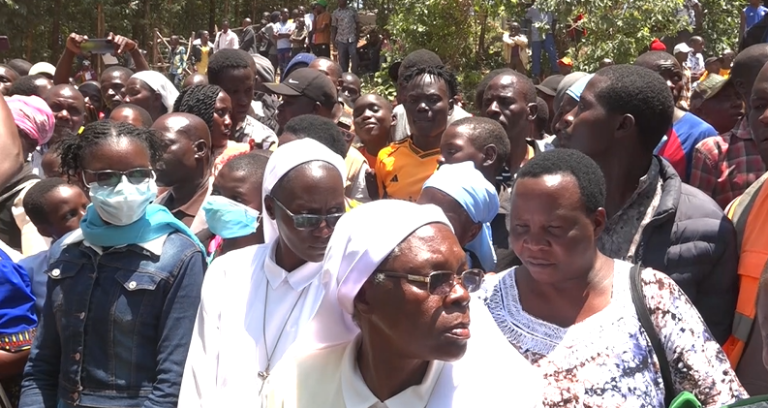
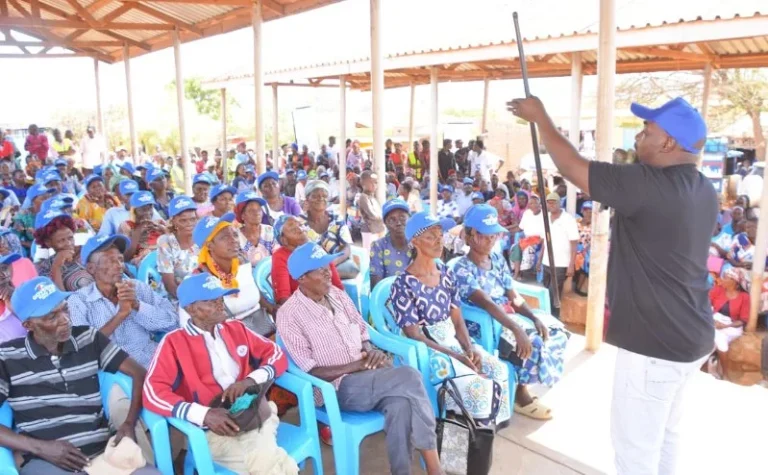
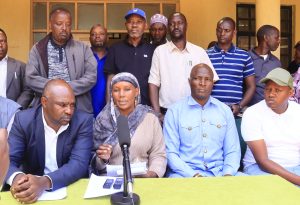
Interviews with leaders, traders, boda boda riders and ordinary residents reveal a shared feeling that the celebrations represent long-awaited recognition for a region that has historically felt neglected by successive governments.
In schools, markets, mosques and social spaces, conversations in recent months have centred on what Madaraka Day means not just for Kenya, but for Wajir’s identity itself.
For many, the event symbolises inclusion, national cohesion and the beginning of a new chapter.
The transformation is already visible.
A walk through Wajir town today reveals modern roads, upgraded public spaces, improved drainage systems, expanding businesses and a renewed sense of optimism.
What was once dismissed as a remote and neglected outpost is steadily emerging into a vibrant and dignified urban centre — a testament to the promise of devolution and purposeful leadership.
The changes have been driven by major infrastructure investments ahead of the celebrations.
Projects being implemented by the Kenya Urban Roads Authority include the upgrading of roads to bitumen standards, rehabilitation of deteriorating routes and construction of modern drainage systems across the town.
Perhaps the most symbolic of all is the Sh900 million ultra-modern Wajir Stadium.
The 10,000-seater facility, being implemented under the Ministry of Defence through the Kenya Defence Forces, now stands prominently on the edge of the town and has quickly become a physical and psychological landmark for residents.
Beyond hosting the national celebrations, leaders say the stadium opens Wajir to future sporting events, cultural festivals, national conferences and government functions that were previously unimaginable for the region.
The modern facility features a full-sized football pitch, an eight-lane running track, VIP lounges, changing rooms and world-class spectator amenities.
For residents like Mohamed Hussein, the stadium represents far more than concrete and steel.
“I believe beyond these celebrations, this project is set to ignite sports development, create economic opportunities, empower local businesses and leave a lasting legacy for the people of Wajir and the entire Northeastern region,” Hussein said.
Other flagship projects underway include the expansion of Wajir International Airport, modernisation of municipal roads, installation of street lighting and construction of a county state lodge.
Businesswoman Ambia Hussein says the airport upgrade could become a major economic game changer.
“The future looks extremely bright for our county as far as doing business and opening up the region is concerned,” she said.
“The modernisation of Wajir’s civilian airstrip will definitely improve regional connectivity and unlock new opportunities in trade, tourism and logistics. The improvements are already becoming visible.”
The business community says the preparations have triggered investment not only in Wajir town, but across the county’s six constituencies.
Hotels are recording increased bookings ahead of the celebrations, according to Wajir Hotels Association chairman Hussein Mohamed. Traders say demand for goods and services has steadily risen in recent months.
For transport operators, the impact is already tangible.
Boda boda rider Kirimi Mwendwa says improved roads have eased movement and boosted daily business.
Taxi driver Hussein Ahmed agrees, noting the town’s appearance and functionality have changed dramatically within a short period.
“The roads are better, movement is easier and the town now looks organised and modern,” he said.
To many residents, however, the transformation is also emotional.
Rukia Abdullahi describes the developments as remarkable, saying the changes reflect a town that once existed only in aspiration.
While acknowledging previous infrastructure gains under county leadership, she says the current national investments have accelerated Wajir’s transformation in unprecedented ways.
Others hope the momentum generated by Madaraka Day will not end once the national celebrations are over.
Residents are now calling for sustained investment in sports, education, healthcare, water access, digital connectivity and climate resilience in a region heavily affected by drought and economic vulnerability.
Wajir Governor Ahmed Abdullahi has assured Kenyans the county is fully prepared to host the historic occasion.
“I assure residents and stakeholders that we are fully prepared and dedicated to hosting a successful and memorable national celebration,” he said.
Political leaders from the wider Northern Kenya region say the significance of the event cannot be overstated.
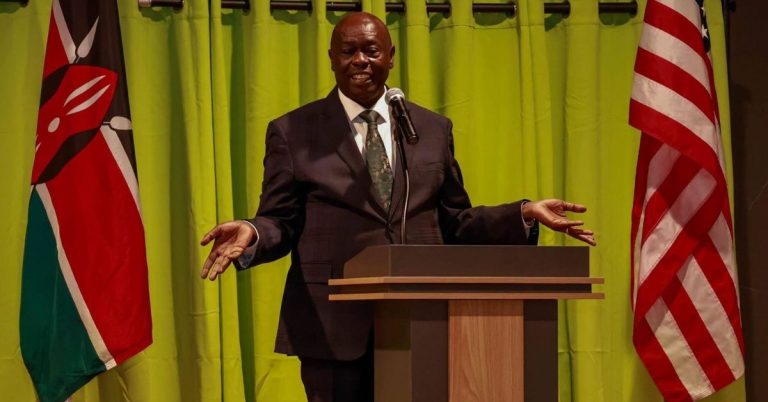
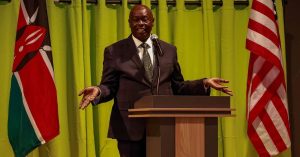
Eldas MP and chairman of the Northern Kenya Parliamentary Group Aden Keynan described the celebrations as a defining national moment. He spoke in Wajir town on Saturday.
“History is not merely being written; it is being magnificently redefined before our very eyes,” he said.
Keynan said the decision to host the celebrations in Wajir sends a powerful message of inclusion, recognition and national unity.
“For the first time since Kenya attained independence, the resilient land of Northern Kenya has been accorded the singular honour of hosting a national event. This is a proud and emotional moment for our people,” he said.
Indeed, beyond the infrastructure, the stadiums and the roads, many residents believe the biggest transformation taking place in Wajir is one of perception.
For years, Northern Kenya was viewed through the prism of scarcity and struggle.
Today, Wajir is inviting the nation to see another side of the story — a region rich in culture, hospitality, resilience and untapped opportunity.
And as the final countdown to June 1 begins, Wajir is no longer waiting to be included in Kenya’s future. It is helping shape it.