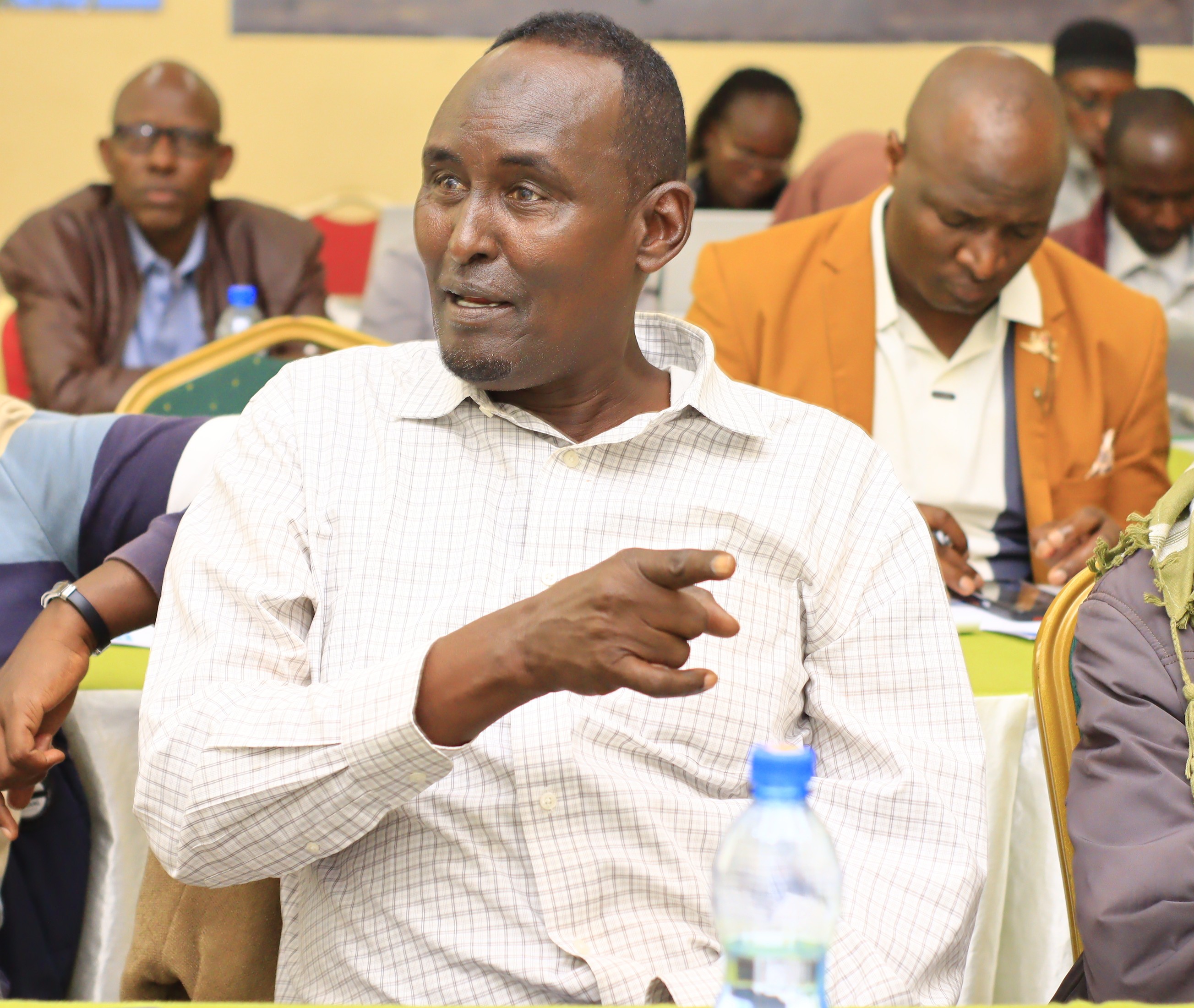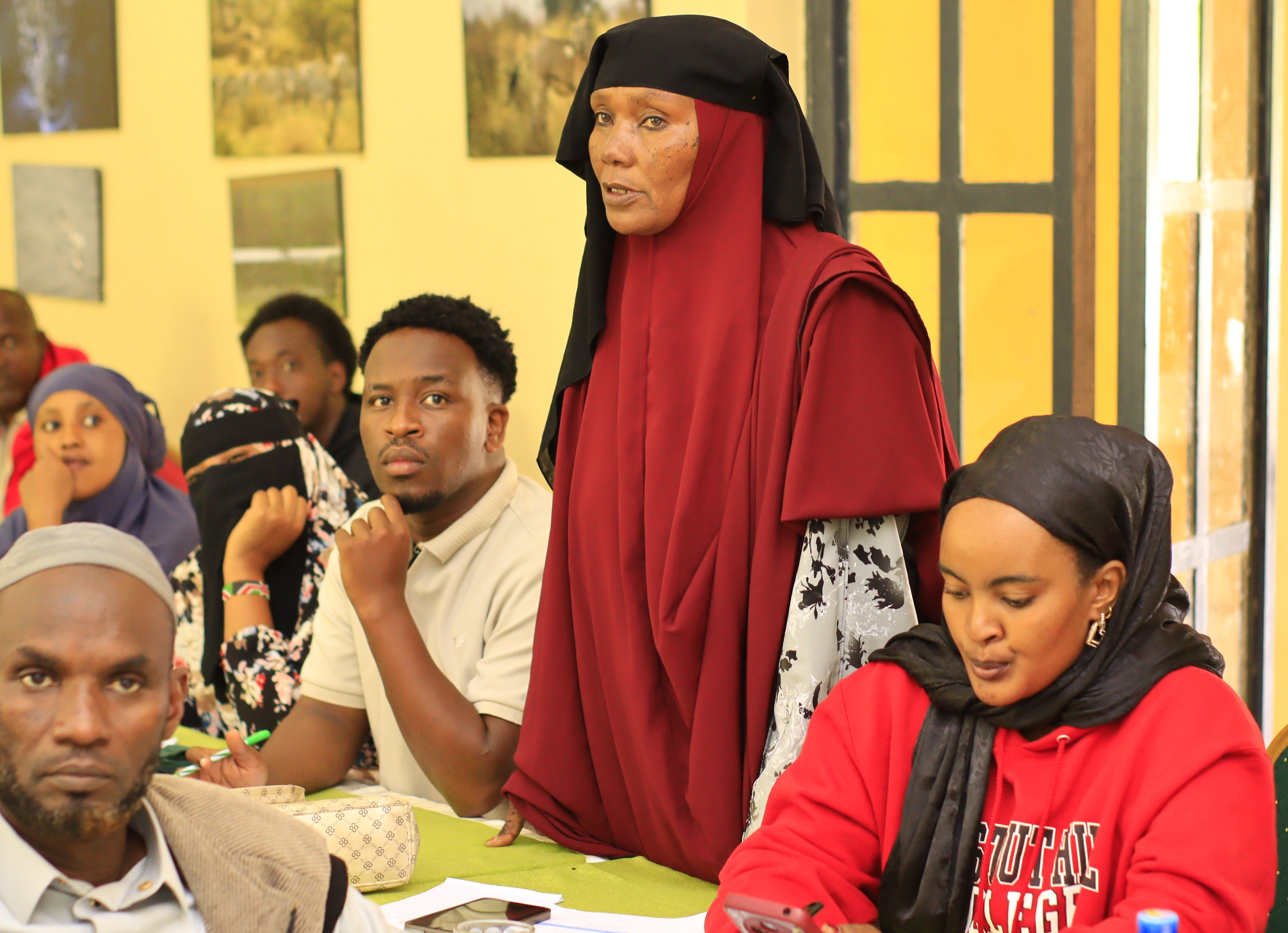



Clerics, aid groups and local peace-builders in Marsabit have launched a year-long project to promote peace and cohesion as the country prepares for general elections next year.
The move is informed by rising political temperatures across the country.
The project dubbed Interfaith Mechanism for Conflict Mitigation (LIMCO) has been launched in Saku and Moyale constituencies. It brings together the Inter Religious Council of Kenya (IRCK) and Christian Aid and Islamic Relief Kenya.
The project aims to turn mosques and churches into early warning systems.
Local leaders say places of worship and the communities around them are often the first to bleed.
“The project helps communities forge a social cohesion charter and a solemn commitment to carry advocacy to the county and national governments, the National Steering Committee on Peace-building, and other platforms in the county,” said Pastor Said Lole,.
He is the chairman of the Marsabit Pastors Fellowship.
In Marsabit, a county scarred by cycles of election‑related violence and ethnic‑religious fault lines, traditional security responses have often come too late.
The LIMCO project aims to flip the script. It will operate through four pathways: building the capacity of the Marsabit Interfaith Council, strengthening early warning and response mechanisms, enhancing social cohesion, and advancing advocacy.
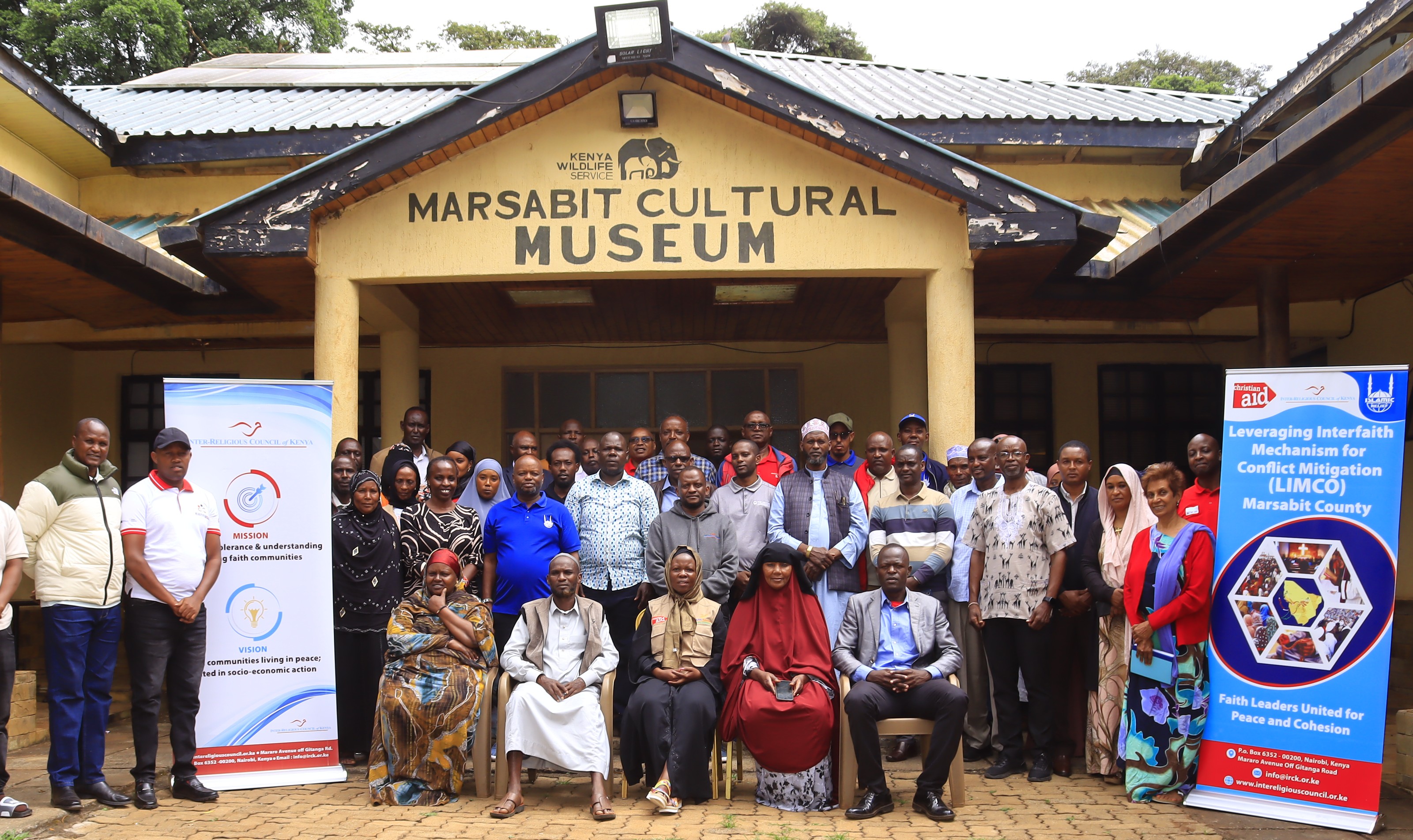
“The project’s pathways will reflect a community‑led peace-building initiative with a faith lens,” Omar Qutara, a member of the Marsabit Peace Committee said.
That lens matters. When political rhetoric turns incendiary, it is often the imam on Friday or the pastor on Sunday who first hears the whispers of unrest.
LIMCO aims to turn those whispers into actionable alerts, before violence erupts.
“The program comes against the backdrop of charged political atmospheres across Kenya, and also bearing in mind that Marsabit county has been a conflict hotspot zone especially during the electioneering sessions,” IRCK managing director Linus Nthigai said.
Francis Chege, programs manager at Islamic Relief Kenya, said the project is designed to ease possible tensions that might rise again in Marsabit, not only over political rivalry but also over religious ideological differences and ethnic divisions.
“We are uniting all religious bodies ahead of the electioneering period,” Chege said.
A striking feature of LIMCO is its deliberate inclusion of women. Too often cast as passive victims, women in Marsabit are both conflict contributors and crucial peace-builders.
The project will work to elevate them, engaging political leaders, security agencies, and media to promote positive storytelling instead of hate‑laced narratives.
The program will also reach children, young people, men, women, and persons living with disabilities, all those who have witnessed conflict and “deserve a future of possibilities.”