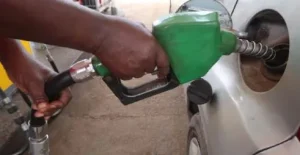

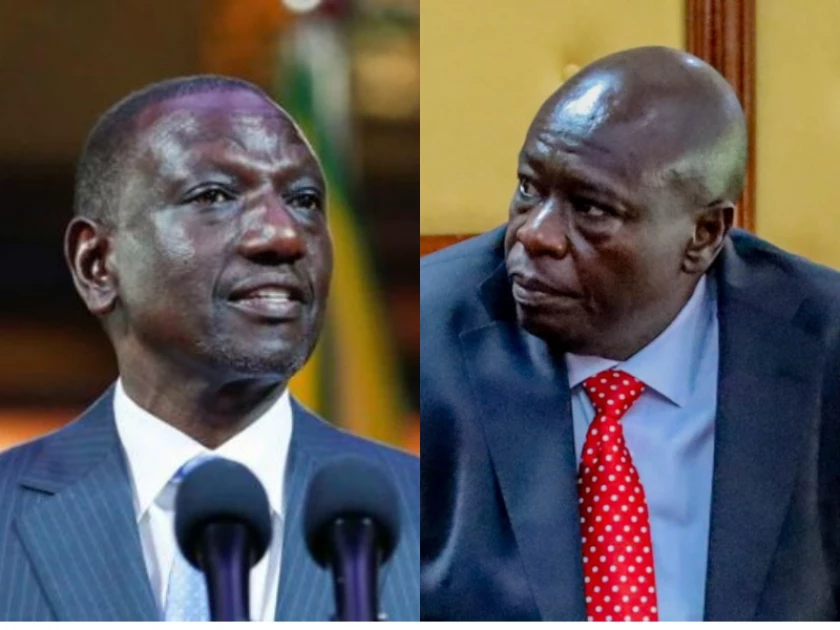
President William Ruto has hit back at critics of his administration’s handling of the ongoing fuel crisis, accusing political opponents of exploiting the suffering of Kenyans for political gain instead of offering practical solutions.
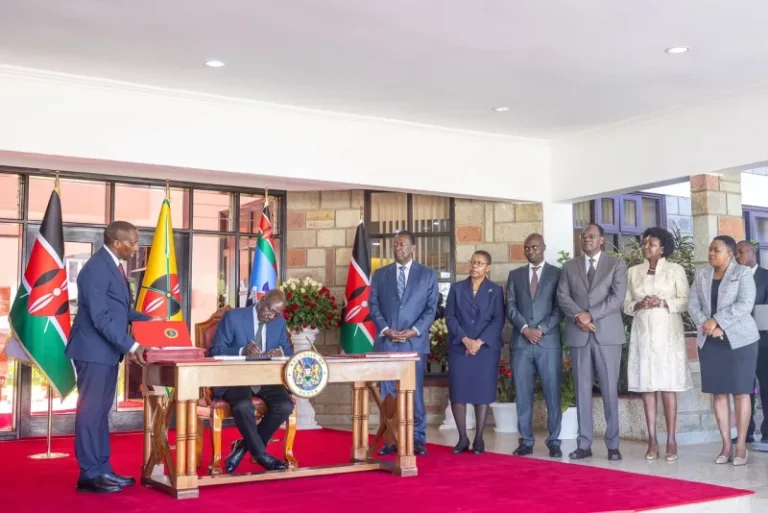
Speaking during a live address from State House in Mombasa on Friday, Ruto defended the government’s response to soaring fuel prices, saying the crisis was global in nature and not unique to Kenya.
“I know there are those who are trying to turn this global crisis into politics. People seeking to exploit public pain for political gain, making reckless claims and pretending there are easy options,” said the President.
“But leadership requires honesty, not political opportunism or playing populist politics.”
Although the President did not mention anyone by name, his remarks appeared to target former Deputy President Rigathi Gachagua, who has in recent days mounted sustained attacks against the government over the rising fuel prices and cost of living.
Gachagua has accused the Kenya Kwanza administration of misleading Kenyans by linking the fuel crisis to disruptions around the Strait of Hormuz, dismissing the explanation as “hot air.”
The former Deputy President argued that Kenya sources fuel from Saudi Aramco and the Abu Dhabi National Oil Company (ADNOC), and not directly from Iran, insisting the real problem lies in inflated costs and alleged profiteering within the government-to-government fuel importation framework.
Gachagua has also accused President Ruto of living lavishly while ordinary Kenyans struggle with high fuel prices, criticizing the Head of State over costly foreign travel and expenditure.
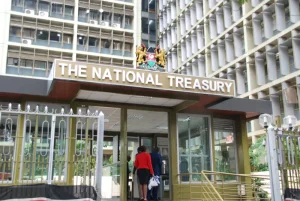
But in his address, Ruto defended the government’s balancing act, saying calls to immediately scrap all taxes and levies on fuel ignored the realities of running the country.
“There are those asking government to remove all taxes and levies on fuel immediately, but we must ask ourselves honestly, if we stop collecting these revenues entirely, what public services shall we stop funding?” Posed Ruto.
The President questioned whether the country should halt road projects, cut fertilizer subsidy programmes or reduce funding for security, schools and hospitals in response to the fuel crisis.
“Leadership requires us to make responsible decisions, not only for today, but also for the long-term stability of our economy and our country,” he said.
Ruto maintained that even developed economies with stronger financial muscle were struggling with the effects of the global oil supply shock triggered by the conflict in the Middle East.