



Leaders and development partners have praised the impact of the Adolescent Girls Initiative-Kenya project in Wajir county.
They say the decade-long programme dramatically improved school enrolment and retention among adolescent girls in some of the county’s most vulnerable communities.
They described the initiative as a life-changing intervention that helped hundreds of girls return to school by tackling barriers such as poverty, early marriage and social exclusion through community-led support systems. They spoke during the AGI-K close-out meeting at the Wajir ICT Hall,
Programme findings presented during the meeting showed school enrolment across 20 villages and 25 schools increased from 60.7 per cent at baseline to 77.4 per cent by the fourth term of implementation. More than 500 girls who had previously dropped out of school were successfully re-enrolled.
Wajir health executive Habiba Maalim described the programme as a proven model that demonstrated how coordinated community action could improve girls’ education outcomes even in marginalised and pastoralist regions.
“Today, we are not only closing a project, but also reflecting on a proven model that has transformed the lives of adolescent girls and demonstrated that community-driven solutions can improve girls’ education outcomes,” she said.
Habiba said the initiative combined community engagement, girls’ safe spaces and social protection interventions to improve enrolment and retention in schools.
“These are not just statistics; they represent restored hope, renewed opportunities and brighter futures for girls in Wajir,” she added.
Habiba said the programme successfully relied on existing county structures, including community health units, community health assistants, community health promoters, schools and local leadership, to identify and support girls at risk of dropping out.
She said many girls in Wajir still face challenges linked to drought, migration, poverty and harmful social practices, which continue to threaten access to education.
“The Wajir government remains committed to supporting sustainability through strengthening the Community Health Services Bill, integration of AGI-K priorities within the CIDP, and continued coordination between the health, education, gender and community sectors,” she said.
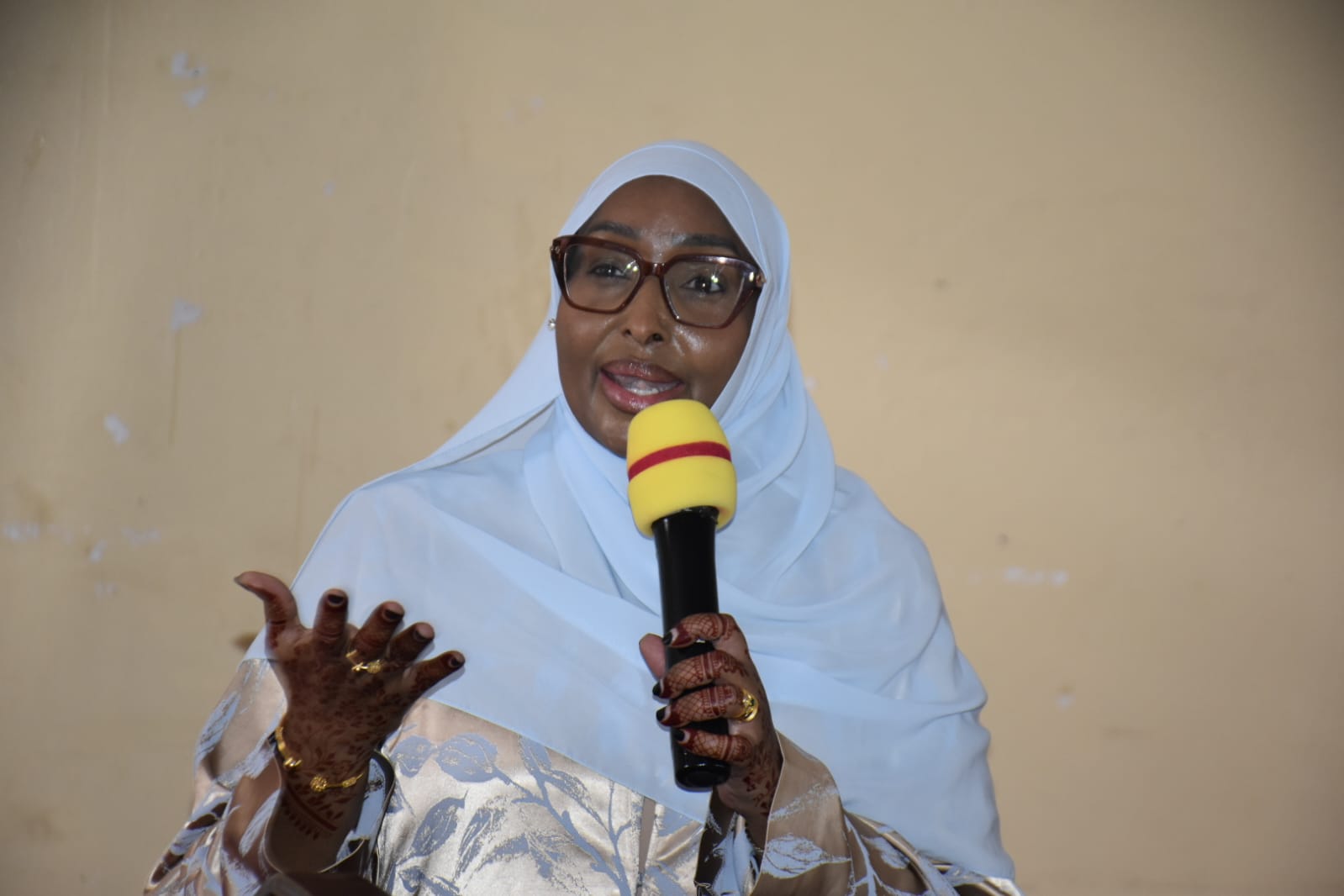
Wajir governor’s wife Rukia Abdinasir also applauded Population Council-Kenya, the county government and development partners for their efforts to improve opportunities for girls in the county.
“Girls’ education remains one of the most important investments any community can make. When girls stay in school, they gain confidence, knowledge and opportunities that not only improve their own futures, but also strengthen families and communities,” she said.
Rukia praised the role played by teachers, parents, chiefs, religious leaders and community health structures in ensuring girls remained in school.
She said the programme had shown that lasting social change was possible when communities worked together, but stressed the need for continued partnerships to sustain the gains achieved.
“Household poverty, drought, migration and other barriers continue to affect many girls and families in our communities. This reminds us that supporting girls’ education requires continued partnership, commitment and practical community-led solutions,” Rukia said.
Mohamed Abdille, a public health officer coordinating WASH activities and serving as the county focal person for AGI-K, said the initiative began in 2015 as a research programme implemented in Wajir and Kibera by Population Council-Kenya.
He said the first phase, which ran until 2019, focused on testing multi-sectoral interventions aimed at improving girls’ health, wellbeing and education in the most cost-effective manner.
Following positive results, Wajir county requested that the programme be scaled up in 2020.
Abdille said the programme was housed under the county health department because of its strong community health structures extending from county level to villages.
“The girls who are out of school are found in the community, and where they are found, there is a community health promoter. This is the structure that has been used to track and support girls back to school,” he said.
Although Population Council-Kenya is concluding its involvement, Abdille said the county government would continue implementing the model through existing community health systems.
Population Council research officer Roberto Omondi described the initiative as a major success whose findings were already influencing policy and programming beyond Wajir county.
He said research showed integrating AGI-K into existing county government systems significantly reduced operational costs while improving effectiveness.
“One particular example is that we evaluated and realised that hosting AGI-K within government structures is very cost-effective because the county systems already exist,” he said.
Omondi said evidence generated through the programme was already informing broader interventions expected to be rolled out in nine counties across Kenya.
Stakeholders attending the meeting called for continued investment from government, development partners and civil society organisations to sustain and expand programmes supporting adolescent girls in Wajir and other ASAL counties.
The ceremony, organised by the National Population Council, brought together national and county government officials, education stakeholders, development agencies, religious leaders, chiefs, community health promoters and local leaders.
Several individuals, including Rukia, were recognised during the event for their leadership and commitment to promoting dignity, opportunity and wellbeing for adolescent girls in the county.