


New motor vehicle uptake grew by 12.2 per cent in the four months to April, industry data shows, pointing to sustained economic activities during the period and cheaper credit, which has continued to fuel asset financing.
This was despite increased global uncertainties mainly as a result of the conflict in the Middle East, high cost of doing business, and low consumer demand. Kenya Motor Industry Association (KMIA) data shows the number of new vehicles sold by the 11 major dealers between January and April totalled 4,802, compared to 4,280 units sold during the same period last year.
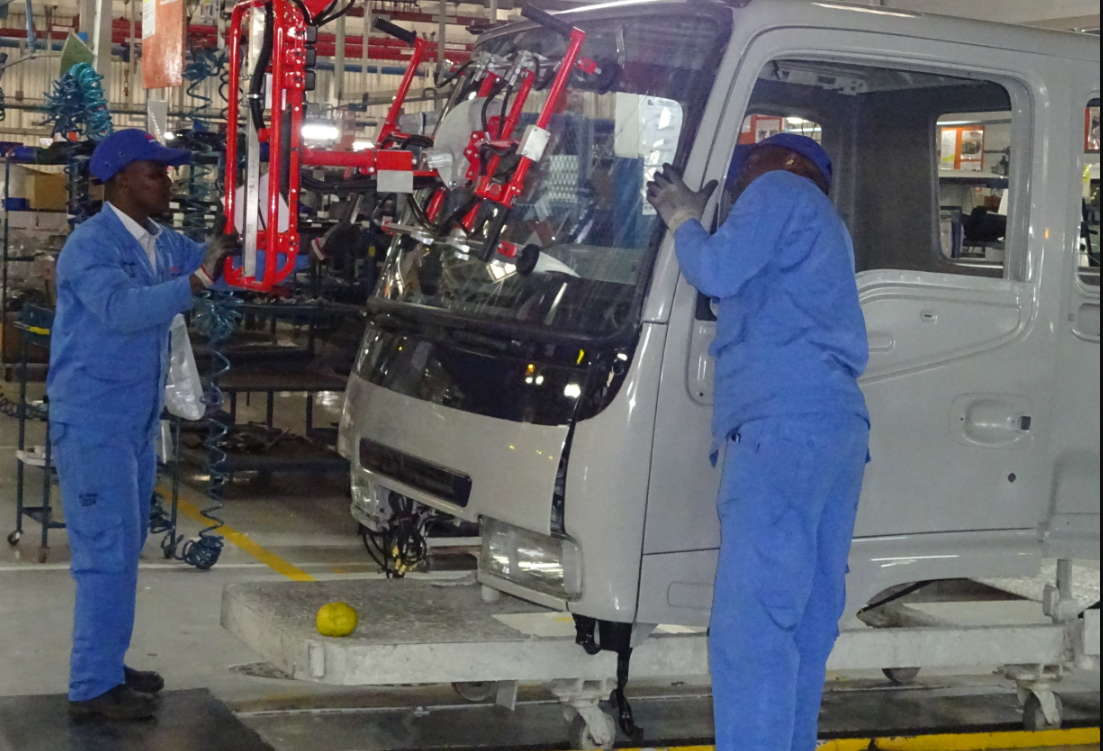
The majority of the new cars (zero mileage) are Completely Knocked Down units. These are vehicles that are shipped in parts and assembled at the dealership or factory. During the period, Isuzu East Africa (formerly General Motors) continued to dominate the market with a total sale of 2,521 vehicles, up from 2,077 units last year, accounting for more than half (53%) of total sales.
It was closely followed by CFAO Mobility, which sold 1,352 units, up from 1,303 last year (28.2% of total sales) with Simba Corporation coming a distant third among top dealers with 395 units being taken up.
The strong perfomance has been pegged on affordable credit after eight consecutive base-lending rate cuts buy the Central Bank of Kenya, which has come down from a high of 12 per cent last year to the current 8.75 per cent. Growth in commercial banks’ lending to the private sector continued to improve and stood at 8.1 per cent in March 2026 compared to 7.4 per cent in February 2026 and -2.9 per cent in January 2025.
According to CBK, growth in credit to key sectors of the economy, particularly building and construction, trade, agriculture, and consumer durables remained strong, reflecting improved demand for credit in line with the declining lending interest rates. This reflects the buying trend where trucks were the most bought (2,102 units), followed by pickups (1,394 units). Buses widely used in public transport and corporates were also on demand with 695 units sold while prime movers (heavy trucks) sold were 242.
“A notable driver for the growth was the progressive CBK interest rate decrease with lower financing costs enabling more vehicle purchases and a recovery in business confidence,” KMIA said in a report.
Continued government leases, schools’ investment in buses and sustained activities in key sectors of the economy also pushed up new vehicles uptake.
According to Isuzu East Africa managing director Rita Kavashe, last mile distribution of parcels, retail shops and wholesalers, cement and construction materials especially on affordable housing cement delivery, agriculture food delivery from farm to market and counties sustained demand for 3.5 to five tonnes vehicles.
This is in addition to government infrastructure projects mainly roads and housing, noting that demand for medium duty, the industry has not been been able to fulfill the demand as the order book if full.
“There has also been recovery of transport sector PSV from effects of covid and economic slowdown and National Police Service and government purchases,” she said.
New school curriculum has also stimulated demand for micro and medium buses. During campaign time, demand for buses also increases as MPs uses the CDF fund to buy buses for schools.
While the new car sales have grown, imported second-hand cars continue to dominate the Kenyan roads owing to their lower prices mainly when it comes to saloon and SUVs.
Kenya imports an average 7,000-9,000 units a month, mainly from Japan (80 per cent), United Arab Emirates, United Kingdom, Singapore and South Africa.