
The Judiciary has renewed its push to expand mediation as a key pillar of justice delivery, with Chief Justice Martha Koome stressing the approach is central to ensuring courts serve ordinary citizens beyond prolonged litigation.
She said the justice system must prioritise human-centred solutions that address the realities behind court cases, including families in conflict and children awaiting resolution.
“Behind every case file is a human story: a family in conflict, children awaiting certainty and relationships hanging in the balance,” Koome said at the opening of the 2026 Mediation Summit.
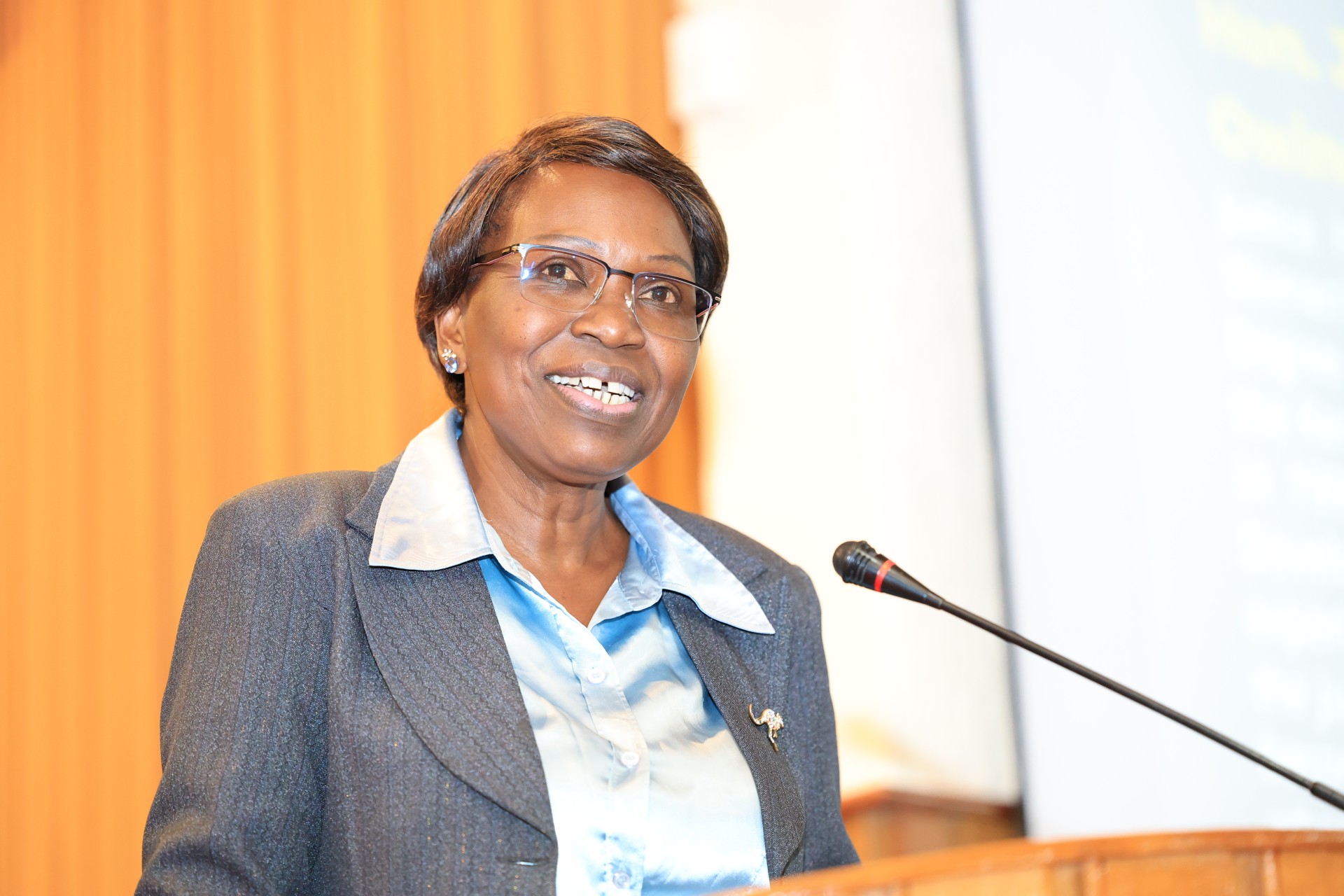
Her address, delivered by Court of Appeal judge Hellen Omondi, highlighted mediation as a core part of the Judiciary’s Social Transformation through Access to Justice (STAJ) agenda, aimed at widening access to justice for all citizens.
Judges at the summit also emphasised that while mediation is expanding rapidly, it must be applied carefully to protect vulnerable parties and ensure fairness in outcomes.
Justice Aggrey Muchelule, who chairs the Judiciary Steering Committee on Mediation, said the practice is deeply rooted in African tradition and is not a foreign import.
“Long before formal courts, disputes were resolved through dialogue, through elders and through listening,” he said, adding that Article 159(2)(c) of the Constitution reflects this heritage.
He said court-annexed mediation has evolved from a 2016 pilot in the family division into a nationwide system now operating in 120 court registries across all 47 counties.
According to Judiciary figures, the programme has already released more than Sh95 billion back into the economy by resolving disputes outside formal court processes.
Justice Caroline Kendagor said the expansion of mediation reflects its growing acceptance in family and commercial disputes, while also easing pressure on the court system.
Chief Registrar of the Judiciary Winfridah Mokaya described mediators as key contributors to access to justice, as stakeholders at the summit highlighted its impact on reducing delays and restoring relationships.
Kenya Bankers Association CEO Raimond Molenje pointed to its economic value, saying mediation has helped conclude about 600 court cases and unlocked approximately Sh15 billion.
“Mediation brings in reconciliation. We need to ensure that money is not locked up in court conflicts,” he said.
Presidents’ women rights adviser Harriette Chiggai said mediation is transforming access to justice by resolving disputes faster and restoring families, particularly benefiting women.
The three-day summit, hosted by Strathmore University in collaboration with the Judiciary, brings together judges, mediators and legal experts to explore its use in family disputes, succession matters, cross-border conflicts and even artificial intelligence in dispute resolution.
by CATHY WAMAITHA