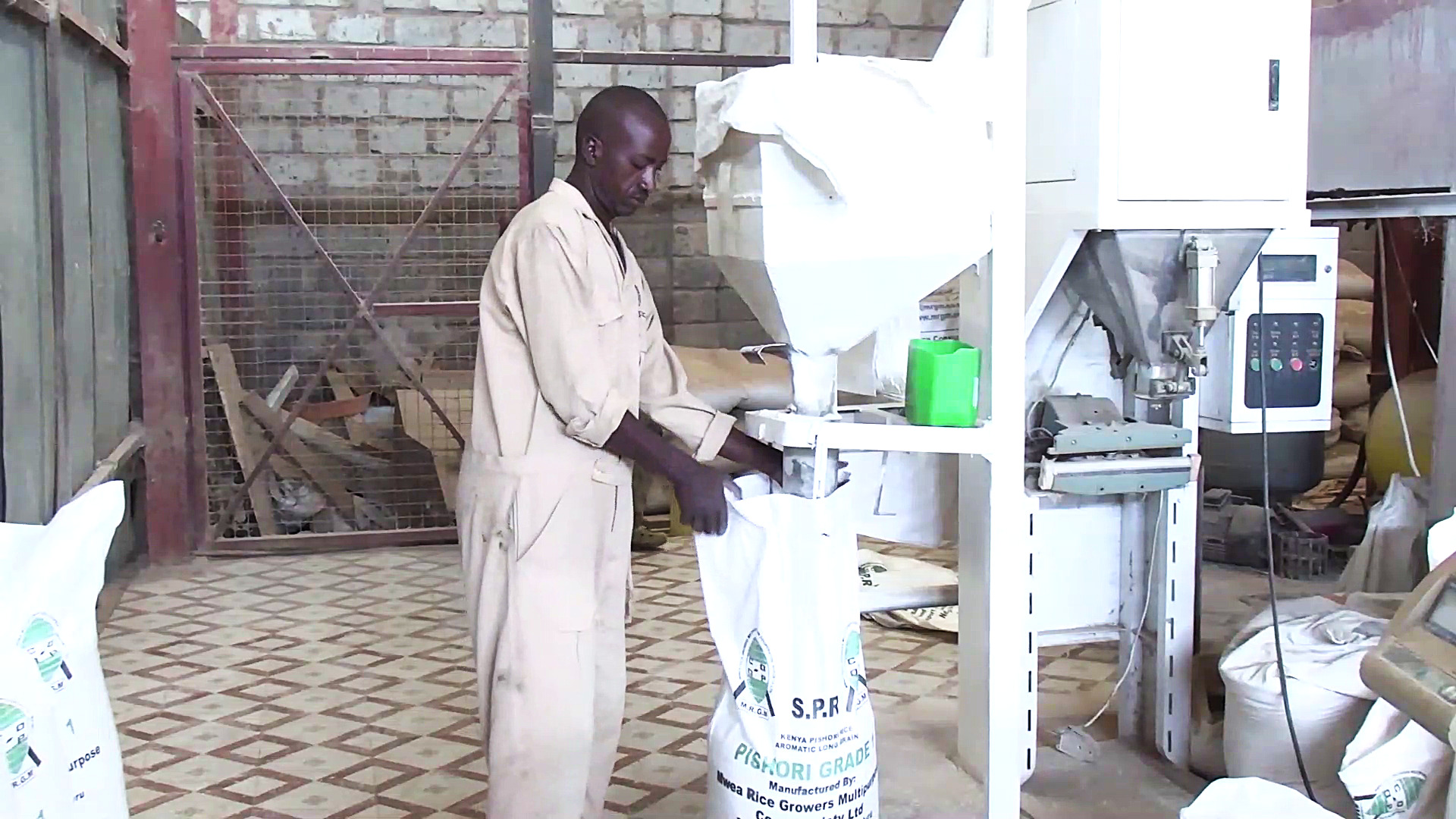
Rice farmers from Mwea Irrigation Scheme want the government to keep its word and buy their produce before importing new stock.
The farmers say that despite numerous assurances from the government, they have continued to struggle to sell their produce, leaving many without income for months.
In January this year, a delegation of government officials visited the scheme and pledged to procure all locally produced rice to support farmers.
The assurance was given by officials from the Agriculture and Food Authority (AFA), the National Cereals and Produce Board (NCPB) and the Kenya National Trading Corporation (KNTC).
KNTC managing director Lucy Anangwe said the corporation would buy the remaining stocks within two months, announcing that it had been provided with a Sh200 million grant to purchase rice from farmers’ co-operatives.
AFA director general Bruno Linyiru reiterated that local farmers produce premium rice that does not compete with imported rice. This he said serves a different market segment from the one that absorbs Mwea’s produce.
“Domestic production only meets about 20 per cent of national consumption. What is imported is non-Basmati rice, which is cheaper. There is no competition between imported rice and locally produced pishori,” he said.
However, farmers claim that continued imports have dampened the market for their produce, forcing them to sell at reduced prices.
Paul Mugo, a farmer, said unprocessed pishori rice is currently selling at Sh80 per kilogramme, down from Sh100.
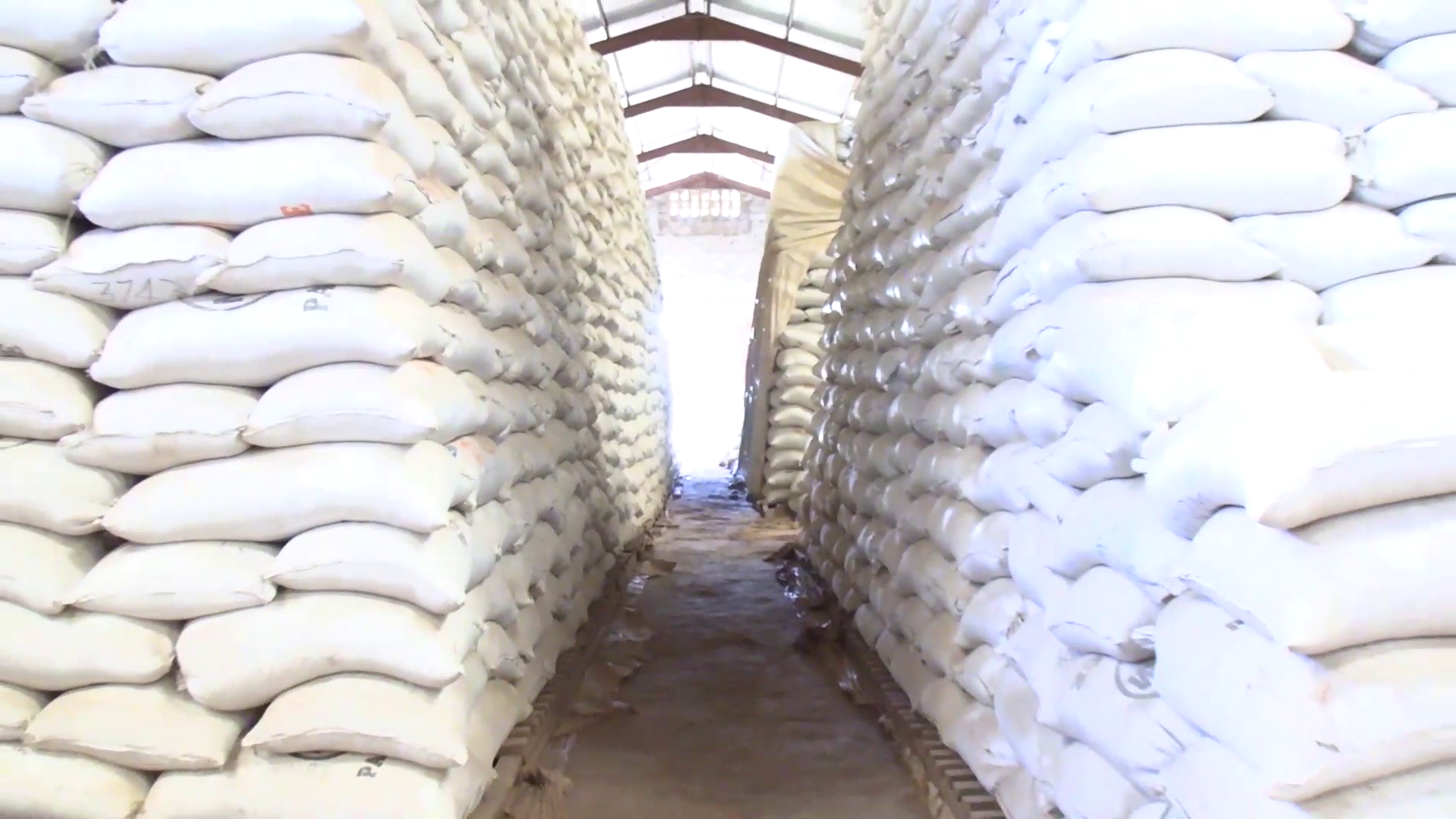 Stocks of paddy rice at Mwea Rice Growers Multipurpose Society’s stores/ ALICE WAITHERA
“We harvested our rice last year and were expecting payment from the Mwea Rice Growers Multipurpose Cooperative Society by May this year, but our rice has not been sold, so we may not be paid,” Mugo said.
The society’s chairperson Ndege Muriuki confirmed that it currently has 40,000 bags of paddy rice weighing 100 kilogrammes each in its stores. This is equivalent to 4,000 tonnes valued at about Sh500 million.
Muriuki said rice imports destabilised the market late last year, slowing the absorption of farmers’ produce. He noted that since the meeting with government officials, the state has only procured local rice intermittently.
“The last time the government purchased from us, they bought two trucks. Since then we have been struggling to sell the rest. We have tried to engage them to intervene, but we are yet to see any action,” he said.
Muriuki also expressed concern that major companies import rice, blend it with local produce and sell it at cheaper prices under the Mwea brand.
“You will find rice branded as Mwea retailing at as low as Sh100 or Sh150 per kilogramme, while we are selling ours at almost Sh200. They can do this because they import rice duty-free,” he said, noting that blending imported rice with Mwea rice is damaging the society’s brand.
He appealed to the government not to import more rice until the market stabilises and all local produce is absorbed.
Farmers previously engaged the government in a protracted court battle over the imports.
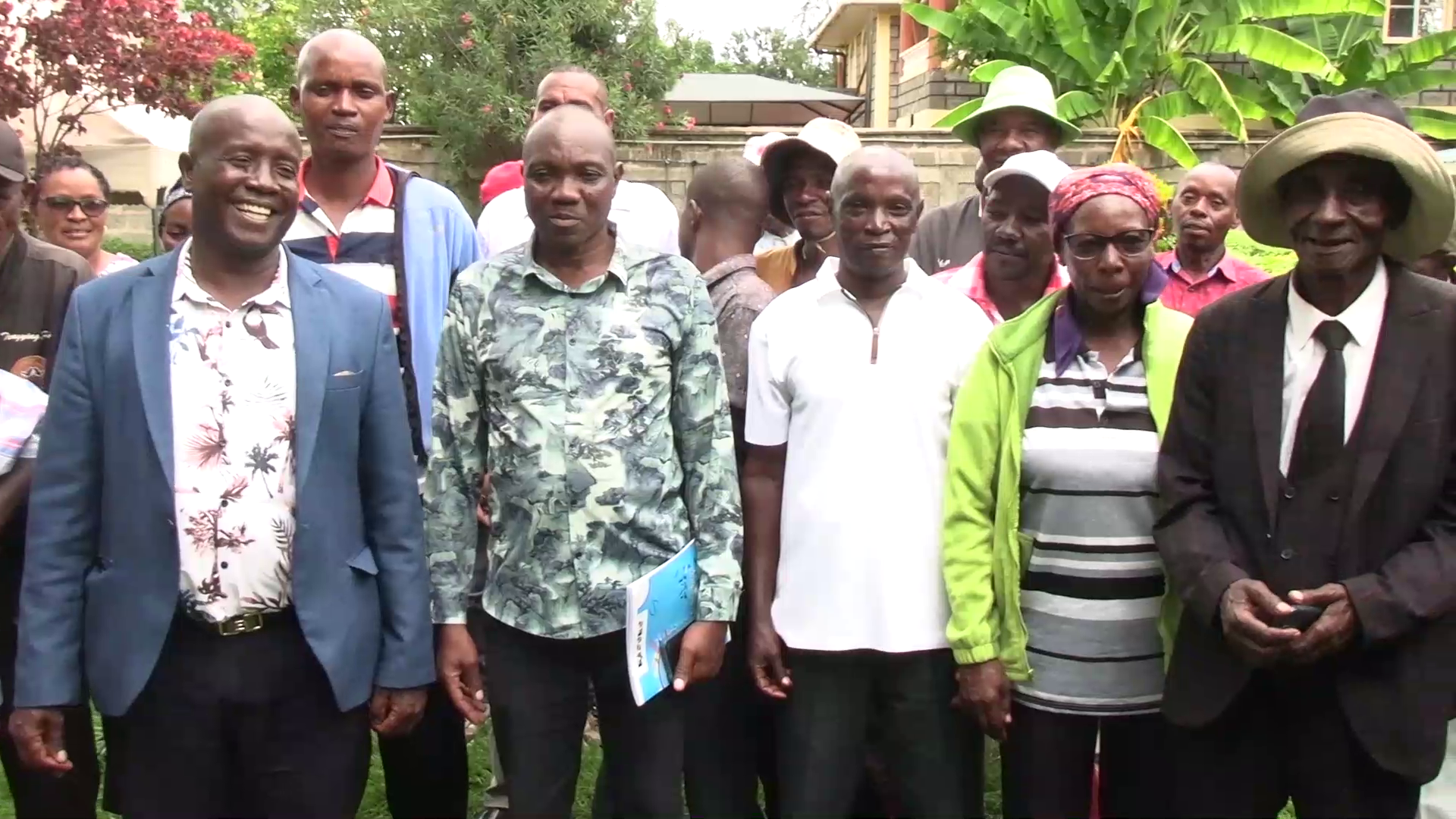 A section of Mwea farmers during a press briefing on April 15, 2026/ ALICE WAITHERA
Last year, the Kerugoya High Court ordered the government to prioritise the purchase of local rice.
Justice Edward Muriithi also stopped the government from importing 500,000 tonnes of rice and instead allowed only 250,000 tonnes.
This was on condition that the government updates its statistics on rice production and first buy local produce.
Pius Njogu, a prominent rice farmer in the Thiba, Tebere and Cumbiri sections, said farmers are struggling to pay school fees for their children despite their hard work.
“Buyers want the cheap imported rice that has flooded the market. They should tell us if they want us to stop planting rice and find something else to do because they keep frustrating us,” he said.
The farmers have threatened to down their tools and block the Mwea–Embu highway until the government takes action.
Njogu questioned why government interventions appear focused on other agricultural sectors such as coffee and tea while rice farmers continue to struggle.
Wangechi Maina, a farmer and rice trader in Ngurubani, said she harvested 10 bags of paddy rice from Thiba but could not sell them to support her family.
“Millers told me they are not buying rice because they still have stock they bought a week ago. Right now I’m going home with my rice,” she said.
Another farmer, Zachary Gakono, said if the government does not intervene within two weeks, they will begin weekly demonstrations.
“As farmers, we bought the milling plant used by our society. The government should recognise such efforts and support us. Instead, it is frustrating us. This is like a parent eating their own child,” he said.
The scheme produces more than 60 per cent of the country’s rice. Local production has increased from 123,916 tonnes of milled rice in 2022 to 137,438 tonnes in 2023 and 169,291 tonnes in 2024.