



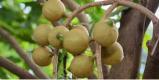
Kenya is seeking to expand its export markets as the government pushes to grow earnings from horticulture and nuts amid rising global demand and improved sector performance.
Malaysia has become the new target for the export market, with the Agriculture and Food Authority (AFA) working with the Kenya mission in the Asian country to unlock new opportunities.
The a move aimed at diversifying markets and boosting foreign exchange earnings.
AFA acting director general Calistus Kundu said the initiative focuses on increasing both the volume and variety of exports to the Asian market while strengthening trade linkages and promoting value addition.
“The engagement reflects our commitment to diversifying export markets, strengthening international partnerships and driving growth through innovative market and product development strategies,” he said.
Kundu said Malaysia presents a strategic opportunity for Kenya, not only as a potential export destination but also as a key partner in the edible oils sector. Kenya currently imports a significant share of its palm oil from Malaysia, highlighting the trade imbalance and the need to expand local production and exports.
The push comes as Kenya’s nuts and oil crops sector records strong growth, driven largely by rising global demand for macadamia and other high-value products.
According to AFA data for the quarter from April–June 2025, export volumes rose by 26 per cent to 12,787 metric tonnes, while export earnings jumped 53 per cent to Sh4.61 billion.
Macadamia nuts remain Kenya’s leading export in this category, with earnings surging due to improved quality and better international prices.
Export value rose sharply as prices increased from Sh854 per kilogramme in 2024 to Sh1,413 per kilogramme in 2025. Key markets include the United States, Europe and parts of Asia.
Other products also posted significant gains. Cashew nut exports nearly tripled in volume, while sesame seeds recorded the fastest growth, supported by increased production in coastal regions such as Lamu and rising demand in the Middle East. Coconut products, including copra oil and desiccated coconut, also benefited from improved value addition.
New export lines such as crude rapeseed oil are emerging, with shipments targeting European and Asian markets for both food and industrial use.
Despite the gains, challenges remain. The sector continues to grapple with limited processing capacity, post-harvest losses and overreliance on a narrow range of crops. Kenya also remains a net importer of edible oils, with imports meeting over 90 per cent of domestic demand.
At the same time, horticulture export volumes grew by 18 per cent to 130,568 metric tonnes in the same quarter, while earnings surged by more than 50 per cent to over Sh50 billion.
Flowers continued to dominate, accounting for half of total export earnings, followed by fruits at 37 per cent. Vegetables and medicinal plants made up a smaller share but remain important for smallholder farmers.
The AFA report also indicates that Kenya is also expanding its global footprint, with the number of export destinations rising to 128 countries.
While traditional markets such as the Netherlands, the United Kingdom and the United Arab Emirates remain dominant, new markets including Mexico, Portugal and China are emerging as key growth areas.
“The government hopes that strengthening ties with Malaysia will further accelerate this momentum, particularly in accessing Asian markets and enhancing value-added exports,” Kundu said.