


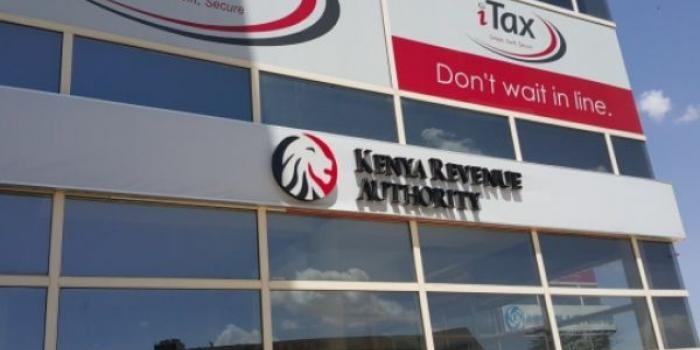
Kenya Revenue Authority (KRA) has uncovered an internal excise stamp theft syndicate, denying the country millions of shillings in revenue.
The syndicate was exposed following a detailed audit and internal review of excise stamp records, which revealed that millions of stamps recorded as lost in October 2024 were unaccounted for.
“The exercise culminated in the recovery of Sh120, 278,879 and decisive action against seven members of the staff implicated,’’ KRA told the Star in a statement.
Investigations established that the discrepancies were not the result of a single incident, but rather a gradual accumulation of control failures spanning several years, particularly between 2022 and 2024.
One officer has since been sacked after conclusion of disciplinary proceedings, while other cases remain under review.
“We have moved in decisively to address the matter, reinforcing its zero-tolerance stance on integrity breaches. Seven members of staff were interdicted to pave the way for thorough and independent investigations,” said KRA.
The agency says that perpetrators took advantage of the transition phase around 2015, when KRA migrated from a manual system to the automated Excise Goods Management System (EGMS).
It says that during this period, a joint stock-take conducted with the system service provider exposed variances that had neither been reported nor reconciled.
“Faults in manual processes created opportunities for irregularities in the receipt, custody, and issuance of excise stamps. Findings pointed to systemic lapses in reconciliation and reporting mechanisms at the time.”
This is coming just weeks after Auditor-General Nancy Gathungu raised concerns over the potential theft of 9.6 million excise stamps from KRA’s custody, sparking fears of tax fraud and the possible influx of counterfeit goods into the market.
She noted that the unaccounted-for revenue stamps might have fallen into the hands of tax evaders or illicit traders, exacerbating an already growing challenge in Kenya’s manufacturing sector, which is struggling with an influx of counterfeit products.
This prompted the Senate to demand an immediate inquiry into the matter, with the Finance and Budget Committee expected to present findings to the House.
Nominated Senator Miraj Abdillahi described the disappearance of the revenue stamps as a serious matter that warrants urgent action.
“This incident raises critical concerns about consumer safety, public health risks, tax evasion and market integrity. Counterfeit duty stamps allow illicit trade to flourish, affecting not only the economy but also the well-being of Kenyans”.
The excise sector accounts for 6.9 per cent of ordinary revenue collections in VAT, Excise and other taxes.
In the last financial year, KRA collected Sh69 billion in Domestic Excise Revenue, representing a performance rate of 97.2 per cent.
The authority also required corrective action from the EGMS service provider, including the replacement of its representative stationed at the excise stamp vault, to strengthen accountability at all levels of the stamp management process.
Beyond recovery and disciplinary measures, KRA has undertaken comprehensive reforms to prevent any recurrence of such incidents.
These include: Strengthening internal controls governing the receipt, storage, issuance, and reconciliation of excise stamps.
It has also enhanced automation within the EGMS to ensure real-time tracking and accountability.
It is also institutionalised rigorous monthly stock reconciliations and audit checks, conducting a system-wide audit to identify and address any remaining vulnerabilities
The revenue agency has also deepened collaboration with law enforcement agencies to support ongoing investigations and enforcement actions.
“These measures are designed to close historical gaps and ensure that excise stamp management is fully secure, transparent, and aligned with global best practices.”