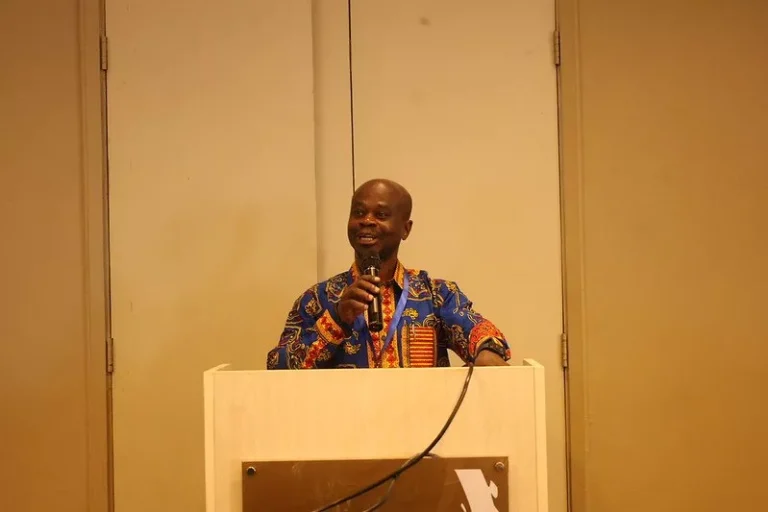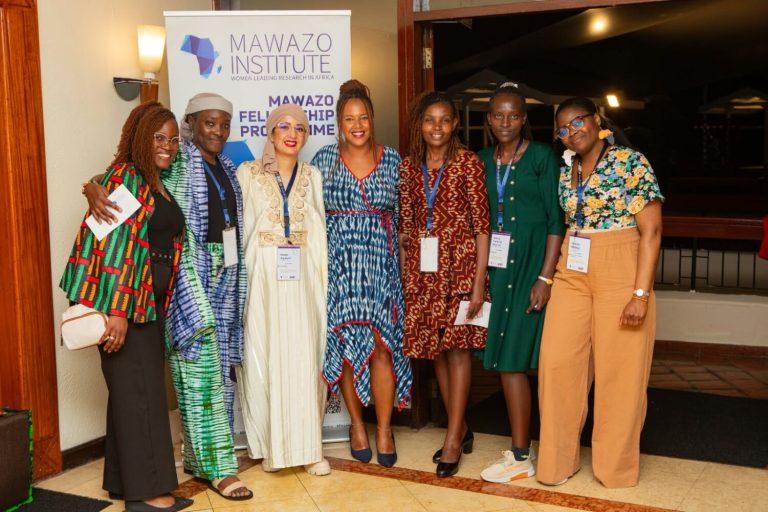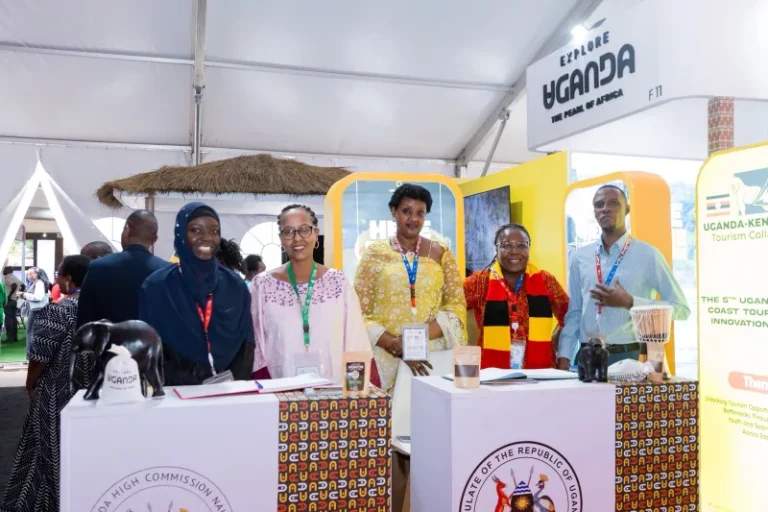

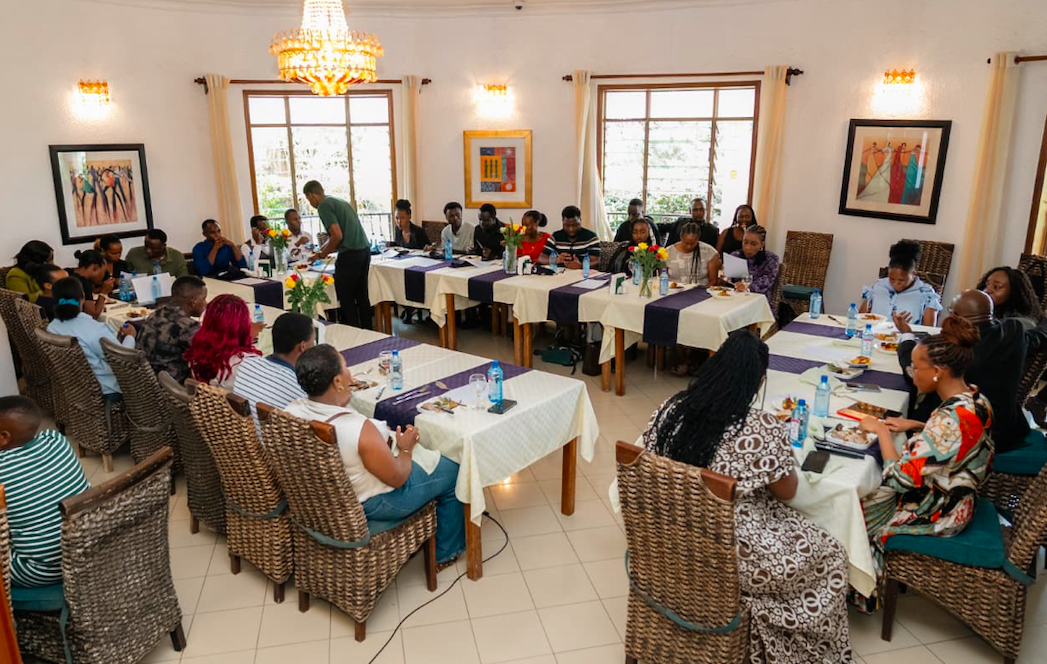
In a sunlit conference room in Kigali, Rwanda, a different kind of conversation about agriculture was taking shape — one led not by ageing policymakers, but by young Africans determined to redefine the continent’s food future.
From March 14 to 17, agripreneurs, government officials and development partners gathered for a youth-led dialogue posing a bold question: Who gets to shape Africa’s food future?
The answers, it turns out, are shifting.
Hosted by Alliance for a Green Revolution in Africa in partnership with Global Citizen on the sidelines of Move Afrika.
The discussions signalled a growing recognition that Africa’s agriculture sector — long seen by many young people as a last resort — is ripe for reinvention.
The conference was hosted by the Alliance for a Green Revolution in Africa in partnership with Global Citizen.
Agriculture remains the backbone of African economies, employing millions. Yet barriers persist: access to land, finance, markets and technical support continues to lock out many young people with ideas and ambition.
Within the dialogue, however, was palpable sense of urgency — and possibility.
Telesphore Ndabamenye, Rwanda’s Minister of Agriculture and Animal Resources, urged participants to rethink agriculture, not as a means of subsistence, but as a strategy to achieve better livelihoods and make profits.
“You cannot market what you do not have,” he said, urging a return to fundamentals. “We must first secure food. From food comes cash, and from cash come jobs.”
It was a message echoed by development partners. Ifeoma Chuks-Adizue emphasised the need to listen more closely to young entrepreneurs navigating the sector’s realities. For organisations such as Global Citizen, she noted, the intersection between food systems and job creation is impossible to ignore.
At the heart of the conversation was a simple but powerful shift: young people are no longer being framed as passive beneficiaries of agricultural policy, but as active architects of change.
“Young people are not just beneficiaries — they are innovators, entrepreneurs and leaders,” Nana Yaa Boakyewaa Amoah said.
That shift is already producing results. Through initiatives such as the Youth Entrepreneurship for the Future of Food and Agriculture (YEFFA), thousands of jobs are being created across value chains, including opportunities for youth with disabilities.
For entrepreneurs such as Lydia Murekatete, the impact is personal — and immediate. The Kigali forum, she said, was more than talk. It was a call to action: “Don’t just talk about it; be about it.”
Still, the road ahead is far from smooth. Structural challenges remain deeply entrenched, and changing perceptions of agriculture among youth will take time.
But if Kigali offered any indication, a new narrative is emerging — one in which agriculture is no longer about survival, but about innovation, enterprise and power.
And increasingly, it is young Africans who are claiming that space.