


Kenya is exploring new ways to finance major infrastructure projects as rising debt levels and limited fiscal space make traditional government funding increasingly difficult.
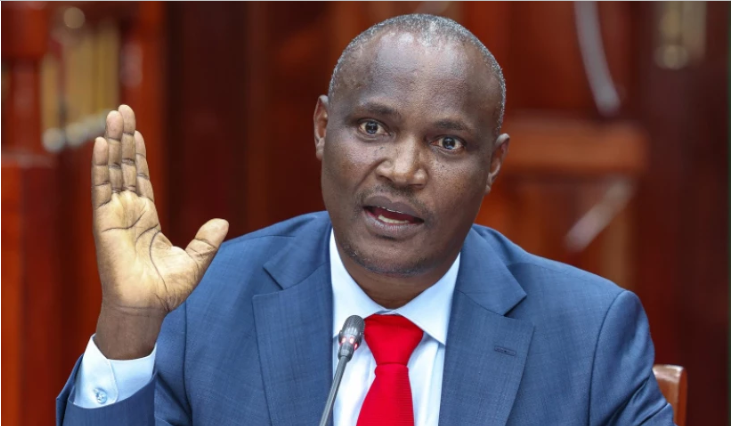
Treasury Cabinet Secretary John Mbadi says the government is turning to private capital, using innovative financing models that reduce risks that have historically discouraged investors from backing large public projects.
Speaking Tuesday night on The Explainer on Citizen TV, Mbadi said the government is relying on the newly established National Infrastructure Fund (NIF) to prepare projects and make them attractive to institutional investors.
“As a country, we were already in agreement even before the last general election that our debt levels had reached distress levels,” Mbadi said.
He noted that Kenyans are increasingly sensitive to new taxes while public service demands continue to rise, limiting the government’s ability to fund infrastructure through borrowing or taxation.
“Otherwise we would continue borrowing more or overtaxing our people with the consequences of social unrest,” he added.
Large infrastructure projects — such as highways, airports, ports, and energy plants — typically require billions of shillings to build and have historically relied heavily on public funding. Under the new approach, the government plans to finance commercially viable projects through blended funding models that combine public support with private investment.
Mbadi explained that one of the key concerns for private investors is uncertainty in developing markets, where risks range from legal challenges to political changes and delays in approvals.
“Projects from the design stage to completion carry many risks, some of them political,” he said.
“Kenyans are very litigious. An investor may start a project and then face court challenges, which makes them apprehensive.”
The NIF aims to address these concerns by preparing projects to an “investment-ready” stage before inviting private investors. This preparation includes conducting feasibility studies, designing projects, estimating returns on investment, and structuring financing models. The fund will also participate financially in projects to absorb some of the risks, making them more attractive to private capital.
To further reduce exposure, projects will be structured through Special Purpose Vehicles (SPVs) — separate legal entities that hold a project’s assets, revenue, and debt independently. This isolates the financial obligations of a project from government balance sheets, distributes risk effectively among investors and lenders, and ensures that projects can be evaluated based on their own financial performance.
The government is targeting infrastructure that can generate revenue and repay investment, including toll roads, airports, ports, and energy infrastructure where user fees, cargo charges, or passenger fees can cover costs over time.
Mbadi also highlighted energy generation, transmission, and distribution projects, irrigation infrastructure, and large water dams as sectors with commercially viable projects ready for investment. By preparing projects properly, sharing risks, and attracting private capital, Kenya hopes to unlock funding for large infrastructure projects while easing pressure on public debt.
“This fund is meant to crowd in private capital by de-risking projects so that investors can participate with confidence,” Mbadi said, describing a shift toward a more sustainable and investor-friendly model of infrastructure financing.
The NIF represents a broader transformation in Kenya’s approach to development funding, moving away from reliance solely on public borrowing and taxation toward innovative public-private partnerships that encourage investment, generate returns, and support long-term economic growth.