

Human Resources leaders can attest that organisations across sectors frequently introduce progressive workplace policies to improve employee well-being and productivity. These initiatives are often well-intentioned and publicly celebrated. Yet many fail to deliver impact, not because the policy is flawed, but because workplace culture is not ready to support its implementation.
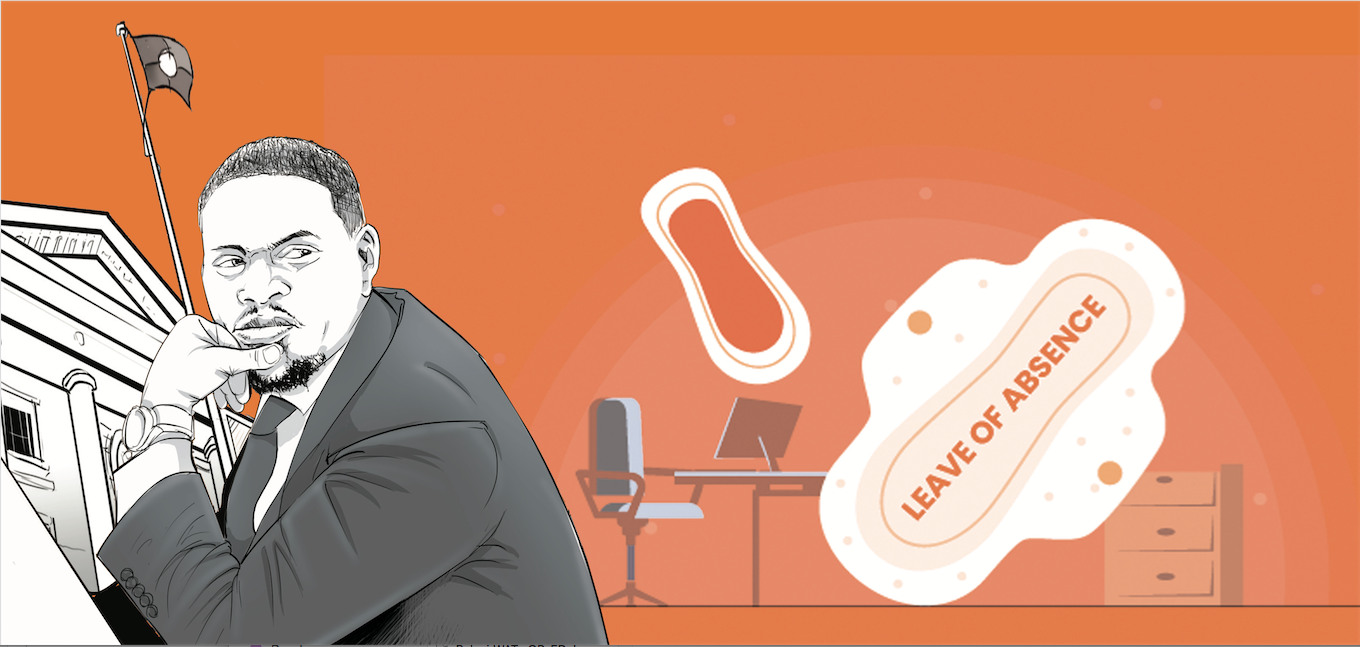
The Nairobi City Council’s decision to introduce a two-day menstrual leave policy reflects a growing recognition that menstrual health is a legitimate workplace issue. The policy acknowledges that menstrual symptoms can materially affect an employee’s ability to work effectively.
However, without deliberate efforts to address stigma, the policy risks becoming symbolic rather than practical. The critical question is not whether menstrual leave is necessary, but whether employees will feel safe enough to use it.
The World Health Organisation (WHO) has made significant strides in addressing menstrual health and rights. WHO has tirelessly emphasised that menstrual health is a health issue with physical, psychological and social dimensions, and it should be recognised and framed as such.
Research consistently shows that menstrual health has a measurable effect on productivity. A study published in BMJ Open found that menstrual symptoms result in an average loss of 8.9 working days per year per employee, largely due to presenteeism rather than absenteeism.
Employees are often present at work but operating below capacity, creating hidden productivity losses that are rarely captured in performance data.
Despite this impact, menstruation remains one of the most under-discussed workplace health issues. Data from the Chartered Institute of Personnel and Development indicates that nearly half of women conceal the real reason for taking time off during menstruation.
Many report discomfort, embarrassment or fear of being judged as unprofessional. As a result, organisations experience inaccurate absence reporting, poor workforce planning and silent disengagement.
Menstrual leave policies are designed to correct this gap by formalising an existing reality. They aim to replace informal or misclassified absences with structured, transparent support. In this sense, menstrual leave is not a perk but a health equity measure, addressing workplace systems historically designed around a male-default model of health and performance.
However, global evidence shows that policy alone is insufficient. Japan has had menstrual leave embedded in law since 1947, yet utilisation rates remain below one per cent. Similar patterns have been observed in South Korea. Research attributes this not to a lack of need, but to persistent stigma and fear of professional consequences. Employees avoid taking leave to prevent being labelled as weak, unreliable or difficult.
This is the central risk facing Nairobi’s policy. If menstrual leave requires explicit labelling, lacks confidentiality or is poorly communicated, it may unintentionally expose employees to scrutiny. In such environments, the policy can reinforce silence rather than dismantle it. Employees may choose to work through pain rather than risk being singled out.
When stigma is tolerated, the costs accumulate. Productivity declines, engagement erodes and trust in leadership weakens. Over time, organisations normalise burnout under the guise of resilience. The policy exists, but behaviour does not change.
Organisations that successfully implement menstrual leave take a broader approach. They integrate menstrual health into overall wellness frameworks, train managers to handle conversations professionally and design systems that protect employee privacy. The goal is normalisation, not exceptionalism.
Menstrual leave is progress. But progress does not end with policy approval. Without intentional efforts to address stigma, the policy may remain underused, limiting its potential to improve well-being and productivity. The true measure of success will not be the existence of menstrual leave, but whether employees can use it without fear.