


The government is implementing an Sh8.09 billion project that will see 45 kilometres of roads tarmacked across six counties Mt Kenya under the Public Private Partnership (PPP) programme.
The Road Annuity Lot 15 project covers Nyeri (11.51km), Kirinyaga (4.1km), Murang’a (8.9km), Embu (10.06km), Tharaka Nithi (6.97km) and Laikipia (3.18km).
Private investor Mota-Engil Kenya Company has been contracted by the Kenya Urban Roads Authority (KURA) to design, build, finance, operate and maintain the roads for 10 years.
Kenya is increasingly turning to PPPs to finance infrastructure without increasing taxes or piling more debts on the economy.
Under the PPP framework, private investors finance, build and maintain public infrastructure projects then recover their investment over an agreed period through structured payments.
Economic Planning Principal Secretary Boniface Makokha said the model shields Kenyans from “two most stressful routes of financing development; external borrowing and tax increments.”
“The model allows the state to spread costs over several years instead of raising large upfront sums through borrowing or higher taxes,” he said.
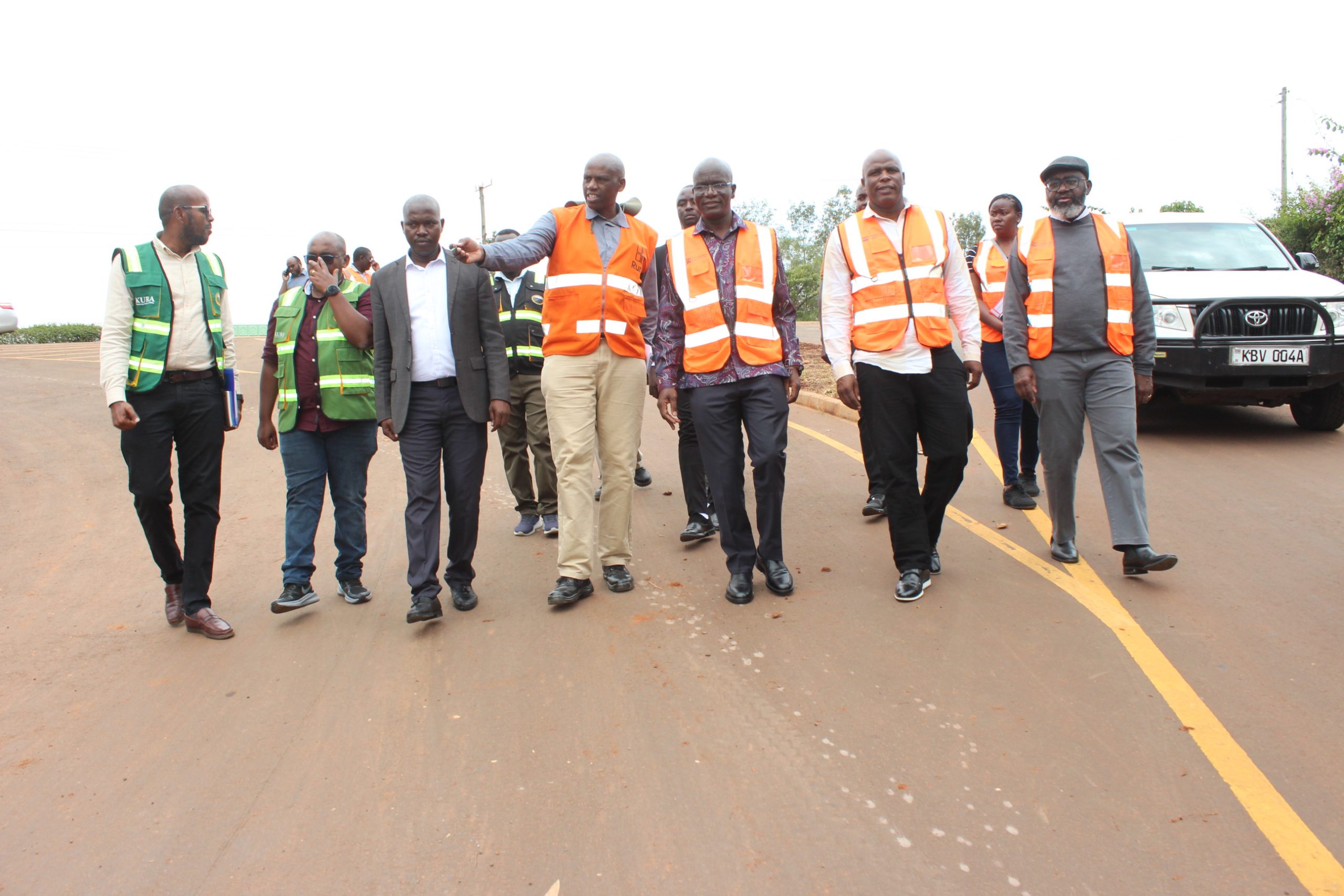
He spoke while inspecting the Ndikwe-Kiria road in Kiharu constituency. The road is one of the completed projects under the programme.
Implementation of projects under the framework is overseen by the PPP Committee and the PPP Directorate within the National Treasury. The committee and the directorate both guide, structure and approve projects.
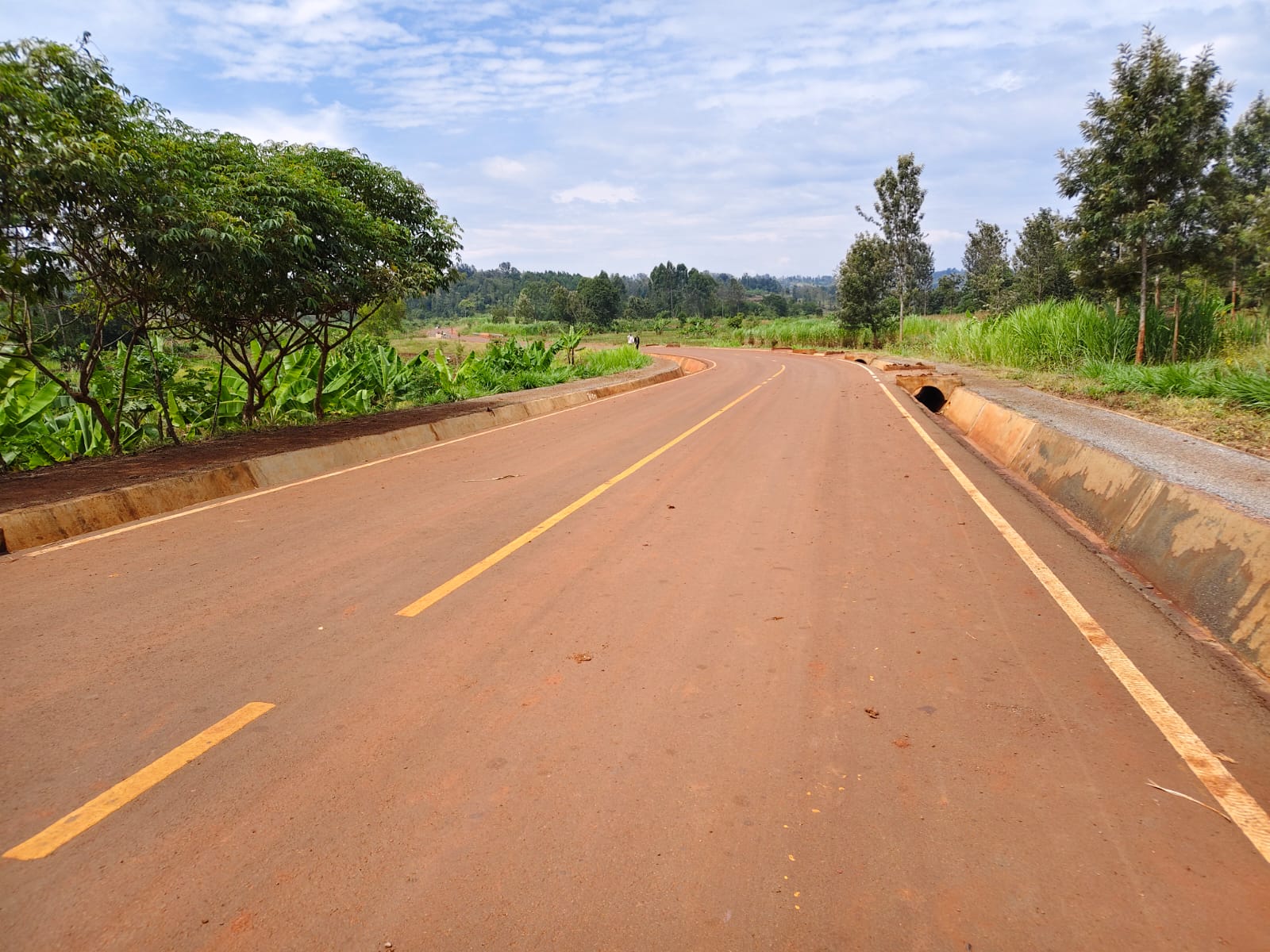 The Ndikwe-Kiria road that traverses a highly agricultural area, enabling farmers to transport their produce with ease in Kahuro area, Murang’a/ ALICE WAITHERA
Under the arrangement, the contractor finances construction of the road to agreed standards and maintains it throughout the contract period.
Instead of a lump sum payment, the government makes structured payments over time based on performance.
Makokha said early feedback from residents has been positive. Boda boda operators reported shorter travel times and increased earnings due to improved connectivity, while property values along the corridor have risen.
Steven Malowa, a member of the PPP Committee representing the private sector, said the model differs significantly from the conventional procurement process.
“In the conventional approach, government agencies budget for projects, seek parliamentary approval for funds, tender for a contractor, pay for construction and then assume responsibility for maintenance. If funds are unavailable, projects can stall for years,” Malowa said.
Malowa acknowledged that PPP projects may appear more expensive at face value yet the cost includes long term maintenance, road signage, markings, drainage systems, pavements and strict performance standards. He said the performance based structure guarantees quality over the life of the contract.
“If the contractor does not maintain the road surface, signage and markings as agreed, they do not get paid,” he said.
The PPP committee’s mandate spans the entire project cycle from approval of the concept to implementation and final inspection, with a strong focus on field verification to ensure value for money.
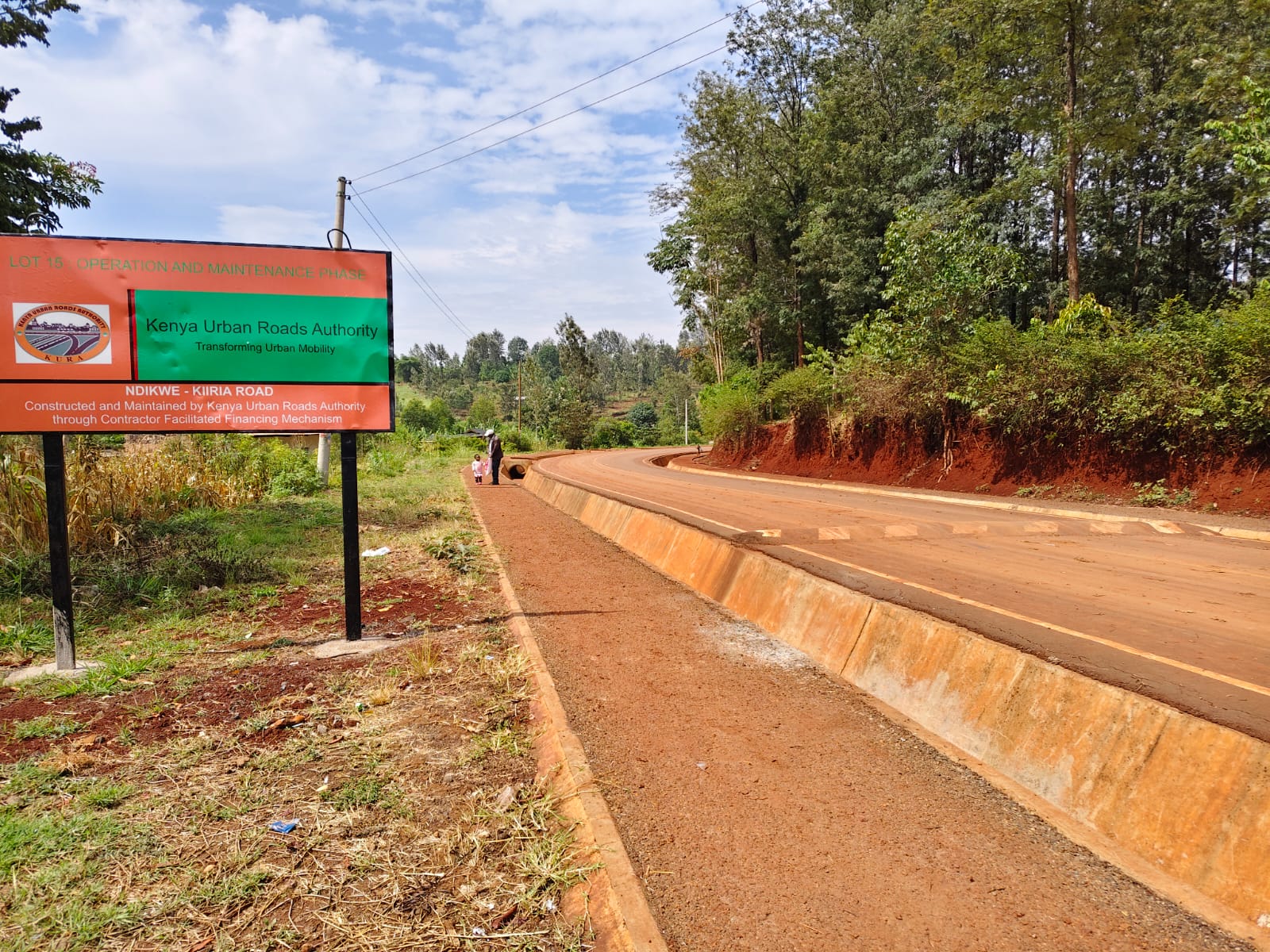 The Ndikwe-Kiria road that has been constructed by Kenya Urban Roads Authority (KURA) through the PPP programme in Murang’a/ ALICE WAITHERA
Eng Kelvin Mutemi from KURA said roads under Lot 15 are built to standards rarely seen in rural areas. Besides smooth surfaces, they feature proper drainage, clear signage and durable markings.
Mutemi said the authority is experimenting with alternative materials for road signage to curb vandalism. Contractors are replacing steel signposts with plastic materials that have little scrap value, while public sensitisation campaigns are being conducted to discourage destruction of road infrastructure.
Kamau Gikonyo, a resident, said the road was impassable before it was upgraded.
“We plant bananas and horticulture here. Previously, we had to carry our produce from our farms to the Kahuro-Murang’a road because boda bodas were unable to get to our homes”.
George Macharia, another resident, said with the road already upgraded, the area only needs irrigation water to turn it into a food basket.