




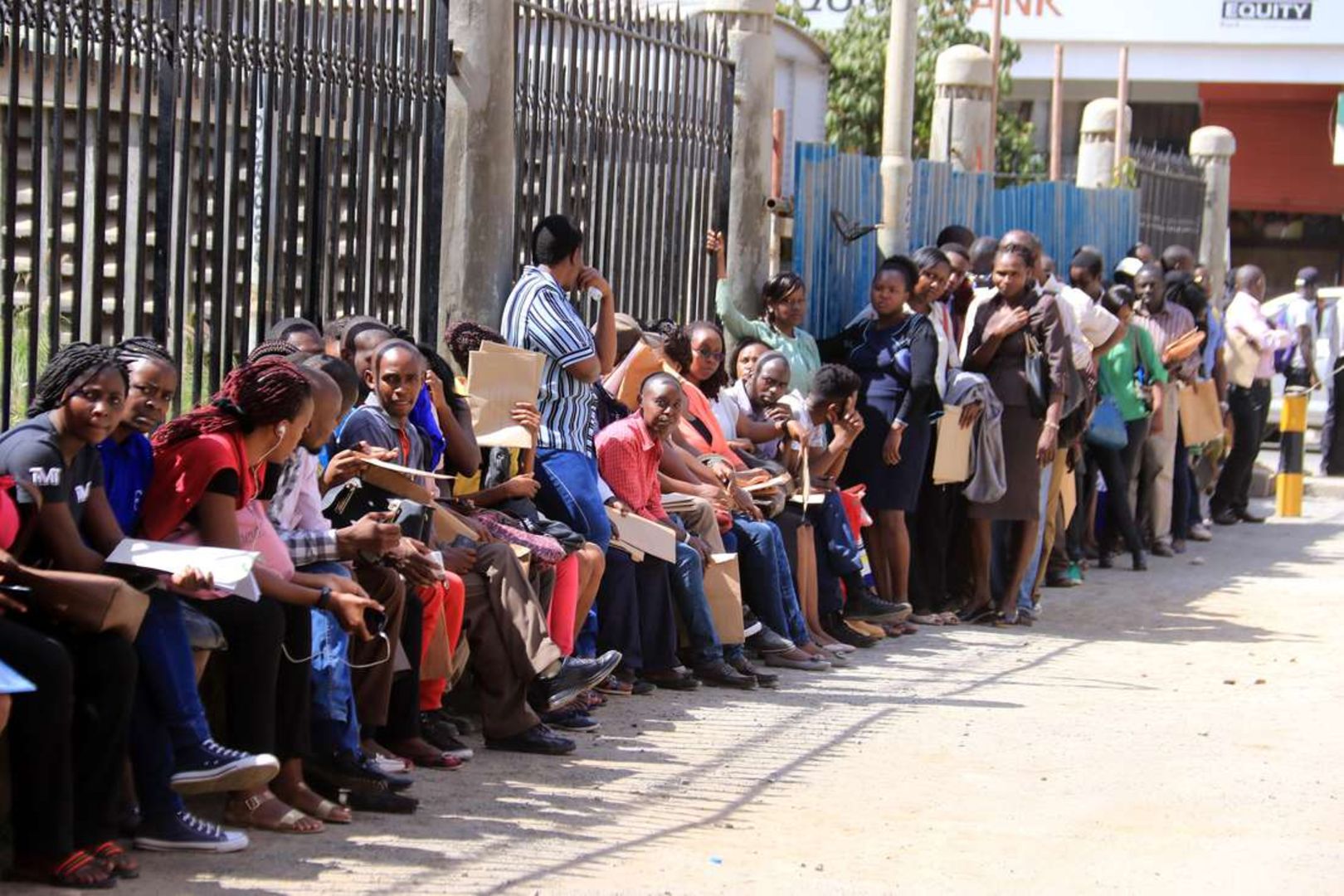
Across Kenya, Generation Z is increasingly questioning the value of formal education. Many finishes school with certificates, diplomas, or degrees, only to find themselves without jobs, income, or direction. For many, education has become “just papers” rather than a gateway to opportunity.
A 2025 government report highlights that Kenya’s labour market struggles to absorb the millions of youths entering it each year.
Skills mismatches — where graduates’ learning does not match employers’ needs — leave many underprepared for available roles.
The report notes that graduates often lack practical skills and experience, reducing their competitiveness despite academic qualifications.
Data from the Kenya National Bureau of Statistics shows that around 19 per cent of youth aged 15–34 are idle, neither working nor in education or training.
Youth Speak Out
Interviews with young people in Nairobi and Mombasa reveal why many feel let down by education:
- Connections matter more than grades: “Today in Kenya, you must have connections to get a job,” said 24‑year‑old Kevin Otieno. Surveys confirm that personal networks often outweigh academic performance in hiring decisions.
- Experience required before experience: Faith Wanjiku, 23, noted, “Most jobs here require 5–10 years of experience before you can even apply,” highlighting the common cycle that leaves graduates stuck.

- Curriculum gaps: Brian Mwangi, 25, said, “Schools don’t teach what the market actually wants,” reflecting concerns that courses focus on theory over practical or digital skills.
- Low-paying work dominates: “Even when you graduate, the few jobs that are available are low-paying or informal,” explained Aisha Hassan, 22. Many youths resort to casual or gig work.
- Emotional toll: Mark Njoroge, 24, emphasised, “We end up feeling useless and stuck.”
Bridging the Gap
Experts note that while certificates remain important, they no longer guarantee stable employment. Without relevant skills, experience, and fair hiring practices, formal qualifications increasingly represent unrealised potential rather than opportunity.
As Kenya’s youth population grows, bridging the divide between education and employability remains a pressing challenge for policymakers, educators, and employers alike.