



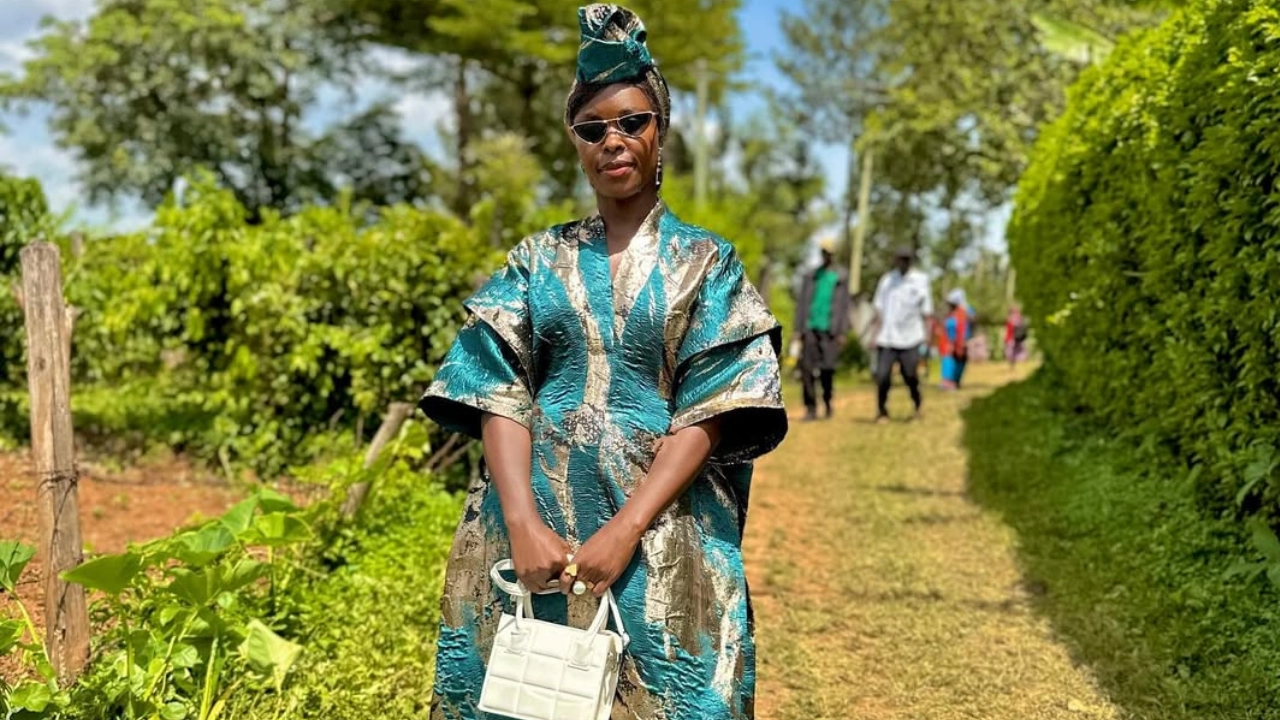
Comic content creator and actress Jacky Vike, popularly known as Awinja, recently opened up about how her unwavering desire to move her mother out of the ghetto transformed her life.
In a candid sit-down conversation with Dr. King’ori, she shared her humble beginnings and the driving force behind her success.
“Life in the ghetto was tough,” she recalled. “I never liked it. I had an undying desire to move away from that environment.”
Inspired by friends who were better off financially, Jacky made it her mission to uplift her family. Determined to break the cycle of poverty, she joined the Kenya National Theatre, where she acted in set book performances for several years. Her goal was clear—to become financially stable and create a better life.
Eventually, after many rehearsals and auditions, she transitioned into acting in films. While she was passionate about theatre, she admitted it was a demanding space.
“Theatre work is very time-consuming. There are countless rehearsals and auditions. I love theatre, but I was really chasing the bag,” she said with honesty.
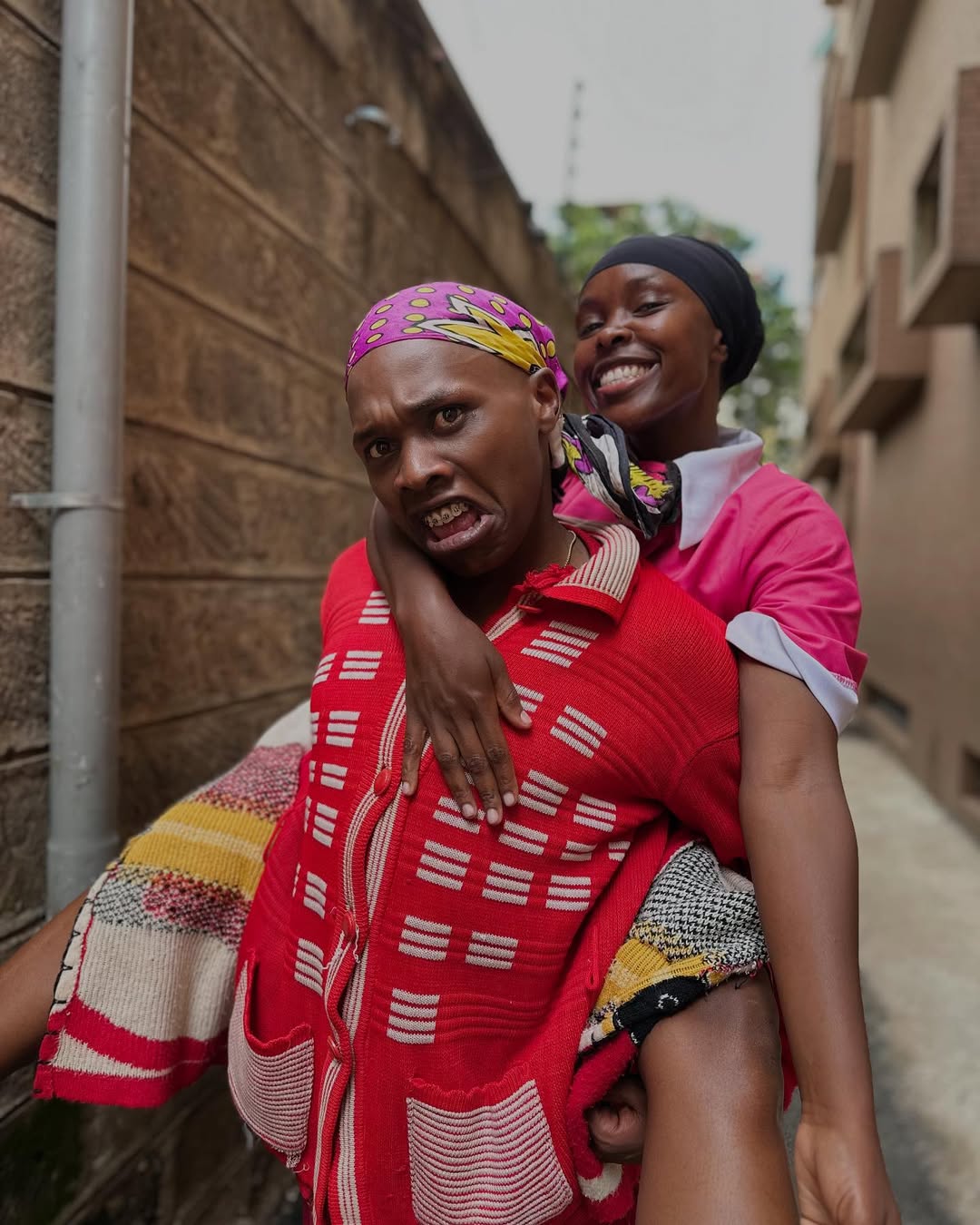
Awinja credits the late actor Charles Bukeko, popularly known as Papa Shirandula, for giving her the platform that changed her life. Her role on the Papa Shirandula show significantly boosted her profile and income.
“When I joined Papa Shirandula, my financial status improved. My salary increased, and I became influential,” she shared.
However, her journey wasn’t without setbacks. When the COVID-19 pandemic hit, the entertainment industry was severely affected. The passing of Papa Shirandula brought the show to an end, and with it, Jacky’s steady income.
“During the pandemic, things fell apart. I lost my savings and had to turn to the digital space. At the time, I had no idea how to make money online,” she admitted.
Despite the challenges, Jacky found a way to reinvent herself as a digital content creator, building a new audience and revenue stream online.
Reflecting on her childhood, Awinja described poverty as a way of life she became familiar with early on. Life in the ghetto, she said, was characterised by overcrowding, poor living conditions, and high crime rates.
“You have to be smart in the ghetto. Even as a child, I felt the need to protect my mother,” she said.
by gladys mutua