


More than half of Kenyans living with diabetes are unaware of their status, raising concerns over delayed diagnosis and the risk of complications.
Mbagathi County Referral Hospital has expanded its diabetes clinic from two to five days a week as health officials step up efforts to identify people living with diabetes before they develop serious complications.
The expansion comes amid concerns that more than half of the estimated 800,000 people living with diabetes in Kenya have not been diagnosed, meaning many could be missing out on timely treatment and care.
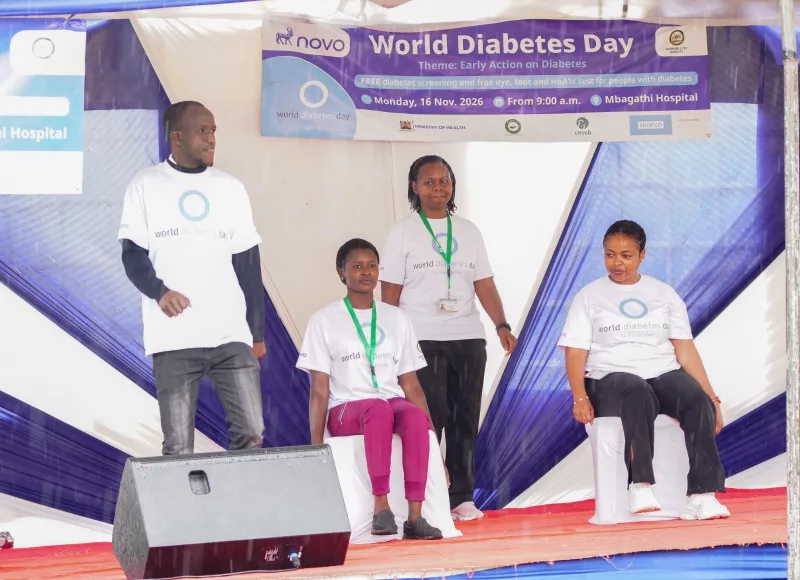
On Monday, the hospital, Nairobi City County and Novo conducted free diabetes screening and other health services for community members to mark World Diabetes Day, with up to 400 people expected to benefit.
The exercise, held under the theme “Early Action on Diabetes”, offered free blood sugar and hypertension screening, eye and foot examinations, HbA1c testing, HIV testing and tuberculosis screening.

Healthcare professionals also provided nutrition education, physical activity demonstrations and information on diabetes prevention, diagnosis and management.
Jakob Mollerup, General Manager of Novo, Middle Africa, said the high number of undiagnosed cases underscored the need to make screening and diagnosis more accessible.
“More than 800,000 people in Kenya are living with diabetes, and more than half of them do not know it because they have not been diagnosed,” he said.
“Early action speaks directly to the need for early diagnosis, early treatment and good-quality care. It is important that people are reached earlier, that they understand their condition and that they can access the support they need to manage it.”
Mollerup said addressing the growing diabetes burden required more than public awareness campaigns, noting that healthcare facilities needed trained professionals, accessible services and partnerships to support patients throughout their treatment.
The expanded clinic at Mbagathi operates through the hospital’s Centre for Driving Change in Diabetes, established with support from Novo through its iCARE programme. It attends to approximately 250 to 300 patients every month.
Dr Erica Koima, Medical Superintendent at Mbagathi Hospital, speaking on behalf of Chief Executive Officer Dr Alexander Irungu, said the dedicated clinic had improved access to diabetes services.
Previously, patients received diabetes services through a combined clinic operating only two days a week. The facility has now extended services to Monday through Friday.
The clinic also accepts walk-in patients without appointments and provides insulin support to eligible patients with Type 1 diabetes aged below 25.
“Behind every patient attended to is a life being supported, a family being given hope and a complication potentially being prevented,” Koima said.
She said the extended operating days would enable more patients to access services and receive timely medical attention.
Dr Moses Owino, County Director of Medical Services, said collaboration between the county government, healthcare facilities and partners was critical in strengthening early diagnosis and access to quality treatment.
He urged residents to make regular screening part of their healthcare routine, noting that efforts to address diabetes must continue beyond World Diabetes Day.
“Action must continue beyond a single event. We must encourage regular screening, promote healthier lifestyles and ensure patients receive continuous, patient-centred care,” he said.
People living with diabetes also shared their experiences to encourage others to seek screening and remain committed to treatment.
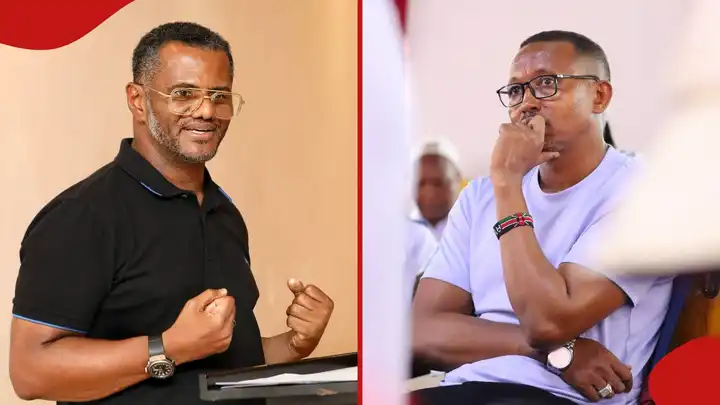
Eric Omondi, who has lived with Type 1 diabetes for 23 years, said a diagnosis should not be viewed as the end of a person’s productive life.
“With the right information, treatment and support, people living with diabetes can lead fulfilling and productive lives,” he said.
Fred Momanyi, who has lived with Type 2 diabetes for 13 years, urged people to undergo regular screening, warning that many could be living with the condition without knowing it.
Dr Florence Keli of the Kenya Diabetes Study Group also emphasised the importance of awareness and timely diagnosis, encouraging people, particularly as they grow older, to have their blood sugar levels checked.
She cautioned those already diagnosed against stopping their prescribed medication, emphasising the importance of consistent treatment and follow-up.
Participants were also advised to maintain a healthy weight, exercise regularly, stay hydrated and monitor their feet for wounds, which can develop into serious complications if left unattended.
Healthcare professionals noted that physical activity need not always involve structured exercise, as everyday household activities such as mopping can also help people remain active and support blood sugar management.
Through its iCARE programme, Novo has established more than 92 Centres for Driving Change across Kenya, including the one at Mbagathi. The programme has also supported the training of more than 3,500 healthcare professionals and helped more than 6,100 people living with diabetes access affordable insulin.
Mollerup said the progress had been made through collaboration with county governments, the Ministry of Health, healthcare facilities, professional associations and communities.
The partners said they would continue working to strengthen screening, improve access to treatment and ensure patients receive ongoing support, noting that early diagnosis remains an important step in preventing complications associated with diabetes.