

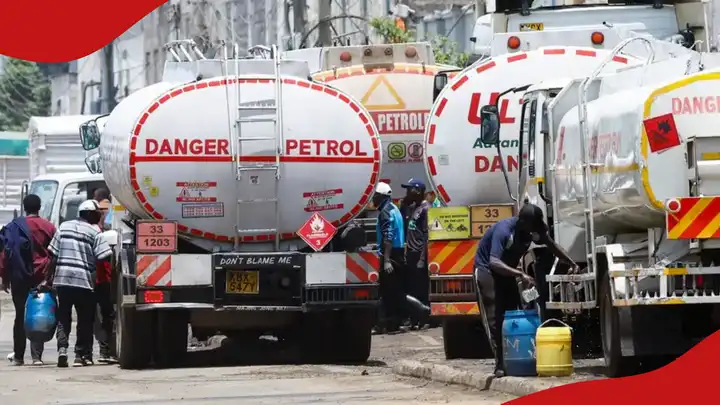
Independent petroleum dealers in Kenya are threatening to halt fuel purchases nationwide, warning that oil marketing companies have been selling products above the legally gazetted wholesale prices since the start of the current pricing cycle. The Petroleum Outlets Association of Kenya and Kenya Independent Petroleum Dealers Association accuse oil marketing companies of illegal prices. In a joint statement dated October 27, 2026, the Petroleum Outlets Association of Kenya (POAK) and the Kenya Independent Petroleum Dealers Association (KIPEDA) said the Energy and Petroleum Regulatory Authority (EPRA) had allowed the breach to continue unchecked for 12 days, leaving their members unable to source fuel at lawful prices. What the Dealers Are Alleging EPRA gazetted maximum retail and wholesale prices for the October–November cycle on October 14, 2026. For Nairobi, petrol was capped at a wholesale price of KSh 211.80 per litre, diesel at KSh 212.60, and kerosene at KSh 204.79. The corresponding retail ceilings were set at KSh 226.96, KSh 227.27 and KSh 219.87 respectively. The two associations allege that when trading opened on October 15, oil marketing companies “systematically defied the gazetted rates, selling petroleum products to independent dealers at prices significantly above the statutory maximum wholesale caps.” They say they escalated the matter immediately to both EPRA and the State Department for Petroleum but received no enforcement action.
The dealers describe the situation as an “unsustainable margin squeeze, making it economically impossible for independent dealers to source product legally and serve the public fairly.” Their statement outlines three consequences: critical stock-outs at independent stations, operators being forced to choose between shutting down or absorbing heavy losses, and a threat to consumer price protections guaranteed under law. What the associations are demanding POAK and KIPEDA have resolved to advise all independent petroleum operators to immediately suspend purchases at any price exceeding the gazetted wholesale caps. They are also demanding that EPRA and the State Department for Petroleum impose sanctions on non-compliant oil marketing companies without delay. The statement warned that independent outlets account for a significant share of Kenya’s fuel distribution network, particularly in rural areas and along secondary routes where major marketers have limited presence. A sustained boycott could create localised shortages and force motorists in those areas to travel further or pay inflated prices at stations still holding stock. The standoff carries added weight given the sharp price increases already announced in the October cycle. EPRA raised Nairobi’s petrol price by KSh 12.93 per litre, diesel by KSh 9.90, and kerosene by KSh 28.49, citing higher landed costs linked to the Middle East conflict and a weaker shilling. Under the Petroleum Act, EPRA holds the authority to set and enforce maximum wholesale and retail prices. The dealers’ complaint is not that the caps themselves are inappropriate, but that they are not being applied, effectively rendering them advisory. The joint statement did not name any specific oil marketing companies. EPRA and the Ministry of Energy and Petroleum had not publicly addressed the allegations at the time the statement was issued. The associations said they remained open to “immediate constructive engagement with the Ministry and EPRA to resolve this bottleneck and restore market integrity.”