


Delayed screening and treatment are contributing to preventable vision loss in Busia county, with health officials warning that many patients seek help only after their conditions have advanced.
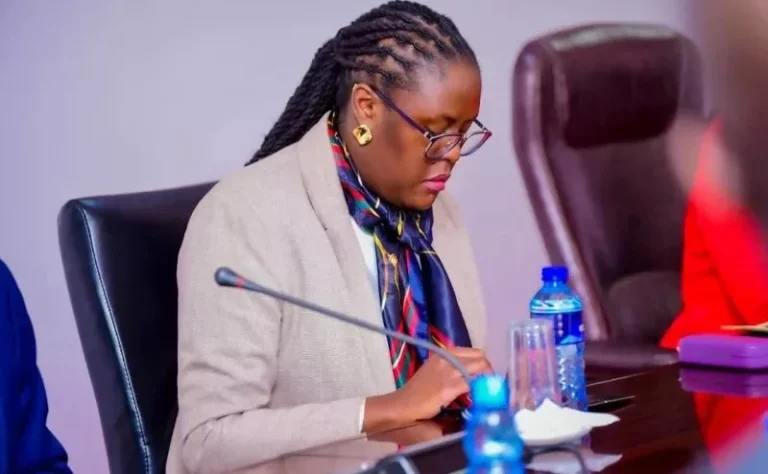
More than 5,000 people in the county are living with eye problems, with cataracts accounting for 43 per cent of cases, County Eye Coordinator Harriet Kavere said.
Speaking during an eye screening clinic at Busia town bus park, Kavere said late diagnosis was making it harder to restore sight in patients whose conditions could have been treated earlier.
More than 300 people were screened during the exercise.
“The challenge we experience in our facilities is that many people come when their condition has worsened, making it difficult to restore their sight. We have eye services in all our sub-county hospitals, and people should seek these services,” she said.
Kavere said the county was conducting screening and public awareness campaigns to encourage early detection, noting that many eye conditions could be treated more effectively if identified promptly.
She cited glaucoma as a particular concern because it can progress without noticeable pain or symptoms before causing irreversible vision loss.
“People with glaucoma do not experience any pain, but it can result in blindness. Early screening could guarantee better treatment,” she said.
The screening programme is also targeting drivers amid concerns about road safety. Kavere said motorists found to have vision problems would be referred for treatment to ensure those behind the wheel could see adequately.
Optician Evans Apondi said eye problems affect people across different age groups, including children under seven years old.
He urged residents to avoid traditional remedies and seek care from qualified eye specialists. He warned that misconceptions linking eye diseases to cultural causes could delay appropriate treatment.
“Eye problems are real and are not associated with any tradition or cultural calamity. Let us seek treatment for better outcomes. Let us also reduce our exposure to smoke in our homesteads,” he said.
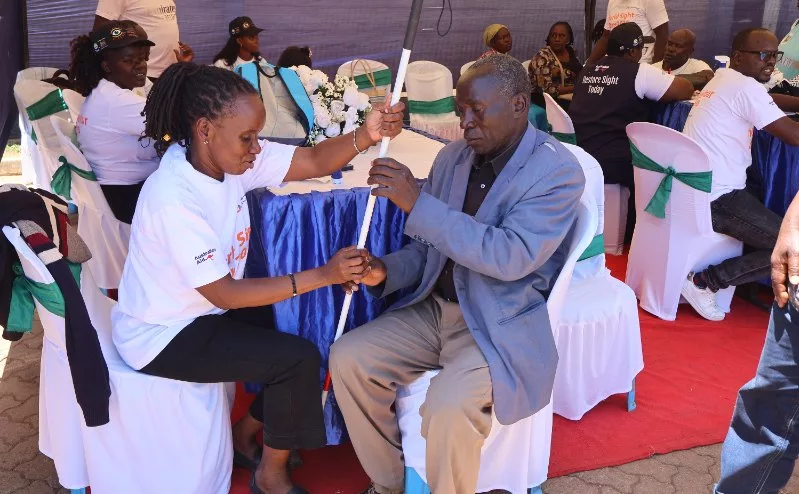
The clinic also highlighted the wider challenges faced by people living with visual disabilities, including access to support services and opportunities for education and employment.
Virginia Ongala, a beneficiary living with a visual disability, said she had received a disability card free of charge during the exercise. She appealed to the government to support persons with disabilities in securing employment after completing their education.
“I was born well, but after two weeks I became sick and lost my sight. I have been using a white cane that I was given while in school. I came to seek a disability card, and I have received the service free of charge,” she said.
Another beneficiary, Peter Egesa, said he had received glasses after experiencing difficulties reading.
“I have been issued with glasses today, which will help me to read. Tears have been coming out of my eyes whenever I try to read or when exposed to too much light. The big turnout clearly shows that many people are experiencing eye problems,” he said.
The turnout underlines the importance of accessible eye care and public awareness.
Health officials say early screening and timely referral could help prevent avoidable sight loss. Residents are being urged to use the available services at county hospitals rather than wait for their symptoms to worsen.