


More Kilifi residents are being diagnosed with cancer as expanded community screening programmes and improved access to specialised services bring more patients into the health system.
Health officials say the rising numbers are not only a sign of an increasing cancer burden, but also evidence that more people are coming forward for screening after years of limited awareness and poor access to diagnosis.
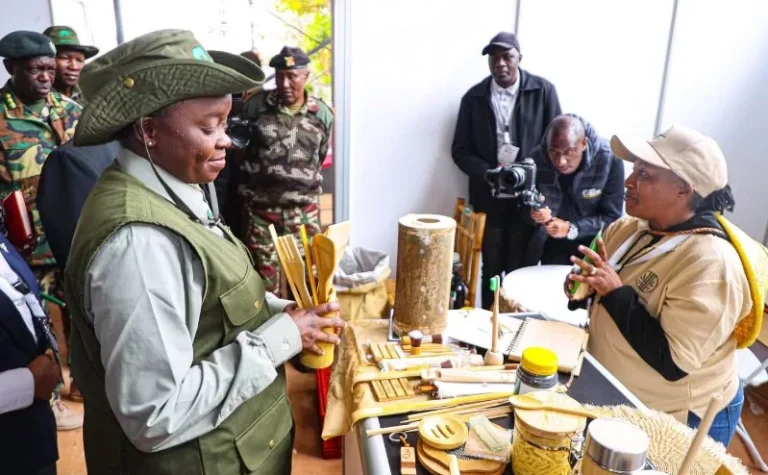
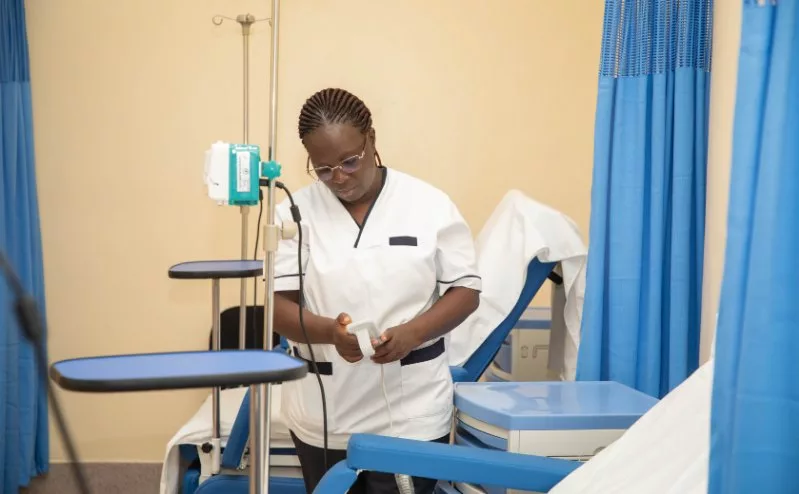
The trend emerged as the Kilifi county government launched a cancer centre at Kilifi County Referral Hospital (KCRH), a move expected to improve early detection and treatment for thousands of patients across the county.
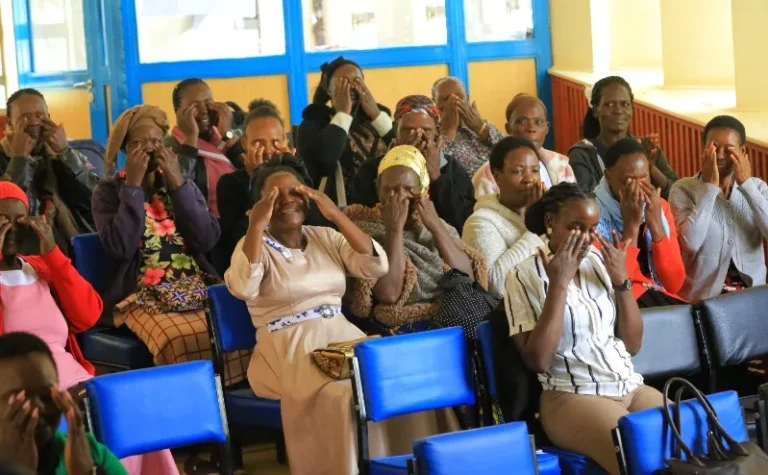
Oncology clinicians at KCRH said the hospital now identifies about 10 new cancer cases every week through mobile outreach screening programmes conducted in communities.
They believe the figure would be even higher if more residents attended screening camps.
Dr Amina Zuma, an oncology clinician at KCRH, said public awareness campaigns and grassroots screening have significantly increased the number of people seeking cancer tests.
“Previously, many people did not know the importance of cancer screening. Today, because of sensitisation and mobile screening programmes, more residents are coming forward and we are detecting more cases early,” she said.
She said the county has invested heavily in cervical cancer prevention through Human Papillomavirus (HPV) screening and vaccination for girls below 10 years.
According to Dr Zuma, cervical cancer remains the leading cancer among women in Kilifi, while prostate cancer is the most common among men.
She expressed concern many men still seek treatment when the disease has reached stage four, leaving doctors with limited treatment options.
“Men need to start screening early, especially from the age of 40. Most of the prostate cancer patients we receive come when the disease has already advanced and treatment becomes palliative instead of curative,” she said.
The county is also screening women for precancerous cervical lesions and offering treatment before the disease progresses to cancer.
Chemotherapy services at the hospital are now covered under the Social Health Authority (SHA), reducing treatment costs for many patients.
Dr Isaac Wachira, a clinical pharmacist specialising in oncology, said families with a history of cancer should prioritise regular screening because some inherited genes increase the risk of breast and prostate cancers.
“People with a strong family history of cancer should begin screening early. Early detection gives patients a much better chance of successful treatment,” he said.
He warned patients against abandoning conventional treatment for herbal medicine, saying many return to hospital after the cancer has spread.
“The medicines used in hospitals have gone through rigorous safety and effectiveness testing. Patients who leave treatment for herbal remedies often come back when the disease has metastasised and our treatment goal changes from curing the disease to managing symptoms,” Dr Wachira said.
He said some herbal medicines cause liver damage, making it difficult for patients to receive chemotherapy safely.
KCRH chief executive officer Dr Gilbert Angore said the new cancer centre has reduced the need for patients to travel to Mombasa and other counties for diagnosis and chemotherapy, saving families time and transport costs.
He said the county first invested in training doctors and nurses in Egypt before partnering with the Aga Khan Foundation to establish the outpatient cancer centre.
“We now have specialised oncology services in Kilifi, and a specialist based at Malindi Subcounty Hospital who refers patients here whenever chemotherapy is required,” Dr Angore said.
He said plans are underway to expand the facility into a fully-fledged cancer unit with an inpatient ward, specialised nutrition services and additional oncology staff.
“Our goal is to build a comprehensive cancer department with dedicated wards, trained personnel and improved services for cancer patients,” he said.
For 67-year-old Valentine Katana from Madunguni in Malindi subcounty, the new centre has brought treatment closer to home.
After being diagnosed at Malindi Subcounty Hospital, he was referred to Kilifi County Referral Hospital, where he underwent further tests and has since started chemotherapy.
“I started my treatment here after the referral. I am receiving chemotherapy and I pray that I recover,” Katana said.
County health officials are now urging residents to take advantage of free screening programmes and ensure eligible girls receive the HPV vaccine, saying early detection remains the most effective way to reduce cancer deaths in Kilifi.