



The expected El Niño rains could bring much-needed relief to livestock farmers but also increase the risk of disease outbreaks.
The Ministry of Agriculture and Livestock Development has said it is preparing for possible disruptions to livestock habitats and an increase in disease vectors associated with heavy rainfall.
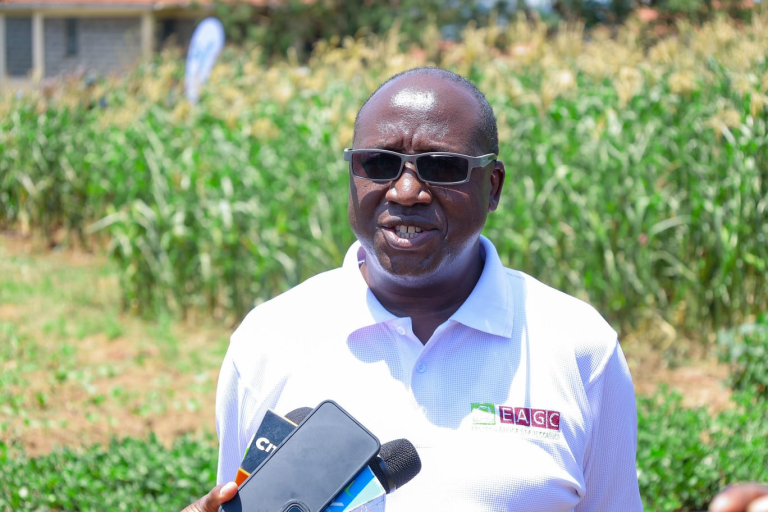
Dr Christopher Wanga, director in charge of livestock policy, research and regulations at the ministry, said the government had an elaborate preparedness programme aimed at cushioning the livestock sector against the effects of El Niño.
“With El Niño comes two areas of destabilisation. You are looking at the habitats for livestock being affected. We will have disease vectors,” he said.
One of the major concerns is the possible increase in diseases that are not normally widespread, including Rift Valley fever.
He said heavy rains and flooding can create favourable conditions for mosquitoes that transmit Rift Valley fever, increasing the risk of outbreaks among livestock.
The disease can affect cattle, sheep, goats and camels and can also pose a risk to people who come into contact with infected animals.
The Food and Agriculture Organisation (FAO) says Rift Valley fever is a mosquito-borne viral disease that mainly affects cattle, sheep, goats and camels.
Outbreaks commonly occur after heavy rainfall or flooding because such conditions create favourable breeding grounds for mosquitoes.
The disease can cause high mortality among young animals and abortions in livestock, resulting in significant production and economic losses.
Kenya has experienced the link between heavy rains and Rift Valley fever before.
FAO notes the disease was first identified in Kenya’s Rift Valley in 1931, while the 1997–1998 outbreak in the Horn of Africa followed heavy El Niño-associated rains and caused severe livestock losses as well as disruption to livestock exports from the region.
Wanga said the government was preparing to ensure livestock farmers continue to have access to pasture while maintaining supplies of vaccines against Rift Valley fever.
“In terms of El Niño preparedness, the ministry on behalf of the government is prepared to ensure we have continuous supplies of pasture. We have continuous supplies of vaccines for Rift Valley fever,” he said.
The preparations come at a time when livestock farmers are facing pressure from drought, which has affected the availability of pasture and water in different parts of the country.
While El Niño rains could improve pasture and water availability in areas that have experienced dry conditions, excessive rainfall could present a different set of challenges.
FAO’s latest Kenya food security assessment noted that above-average rains earlier this year had already improved rangeland conditions in some areas, demonstrating the potential benefit of good rains to pastoral and livestock systems.
However, excessive rainfall can also create new risks for livestock and communities.
Wanga said flooding can destroy grazing areas, contaminate water sources and make it difficult for farmers to move animals to markets or access veterinary services.
“The increase in water and mosquito breeding sites could also raise the risk of vector-borne diseases,” he said.
“For livestock farmers, therefore, the benefits of the rains will depend largely on how well they prepare for both the opportunities and risks associated with the wet conditions.”
“Veterinary preparedness will also be critical, particularly in counties where livestock keeping is a major source of household income.”
Livestock experts have previously warned that early detection and reporting of unusual livestock deaths are critical in controlling outbreaks of diseases such as Rift Valley fever.
FAO says early warning, surveillance, prompt reporting of suspected cases and targeted vaccination in high-risk areas are among the measures that can help reduce the impact of Rift Valley fever.
It also recommends stronger coordination between animal health, public health and environmental authorities under the One Health approach.