




Before there was a company, there were just two university friends who liked filming things.
James Hakesley and Roy Kimani met at university years ago, bonding over cameras long before “virtual production” was a phrase either of them used.
Hakesley is British and a father of one; Kimani was born and raised in Kenya.
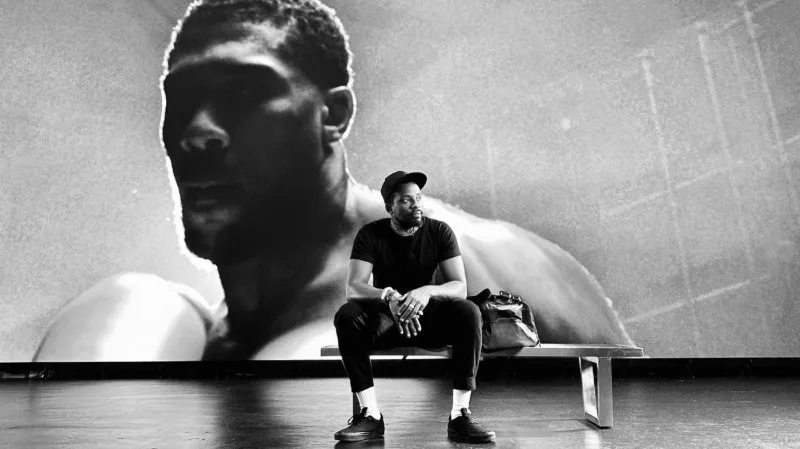
Neither of them set out to build a company that would eventually work with FIFA, the BBC, Sky, Nokia, Bloomberg, Lucasfilm and McKinsey.
They just kept filming — first small productions, then bigger ones, learning the craft together the way friends do when they’re figuring something out side by side.
That partnership is now CUBE Studio, a virtual production company the pair co-founded in 2020, with Hakesley as CEO and Kimani as Director of Innovation.
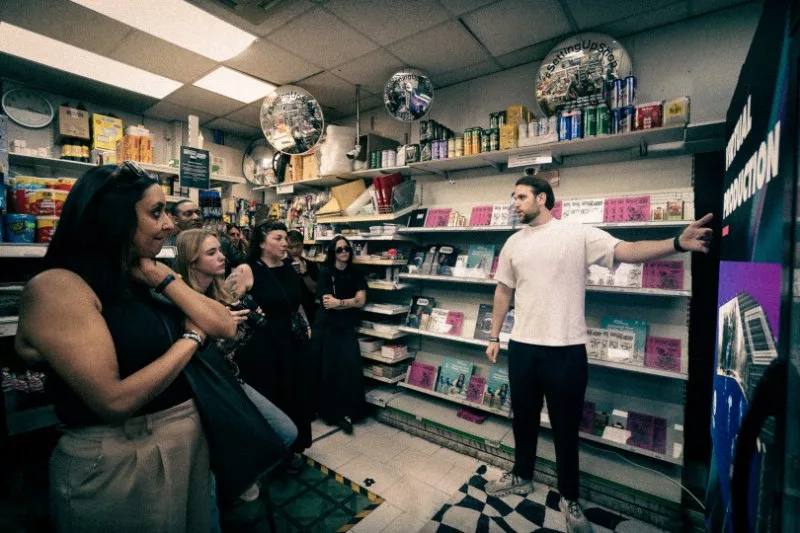
The turning point, Kimani has said, was watching Lucasfilm’s The Mandalorian — the show that first proved to the industry you could build an alien desert or a spaceship interior out of nothing but light.
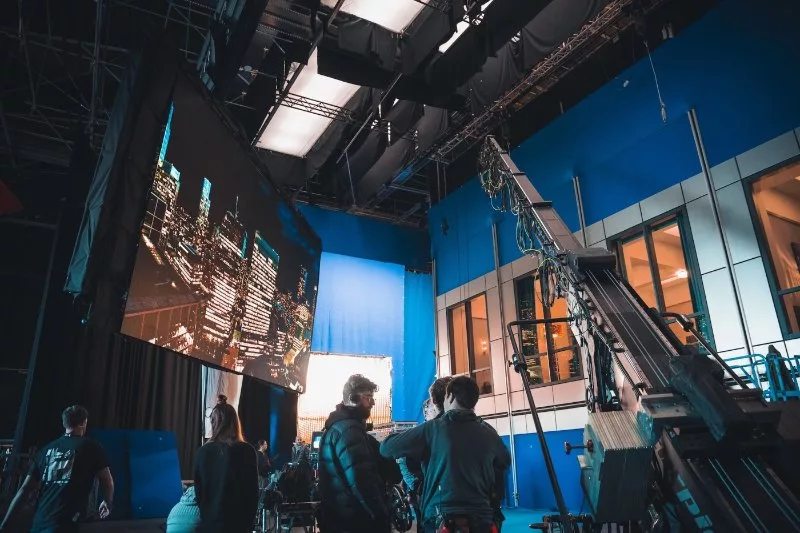
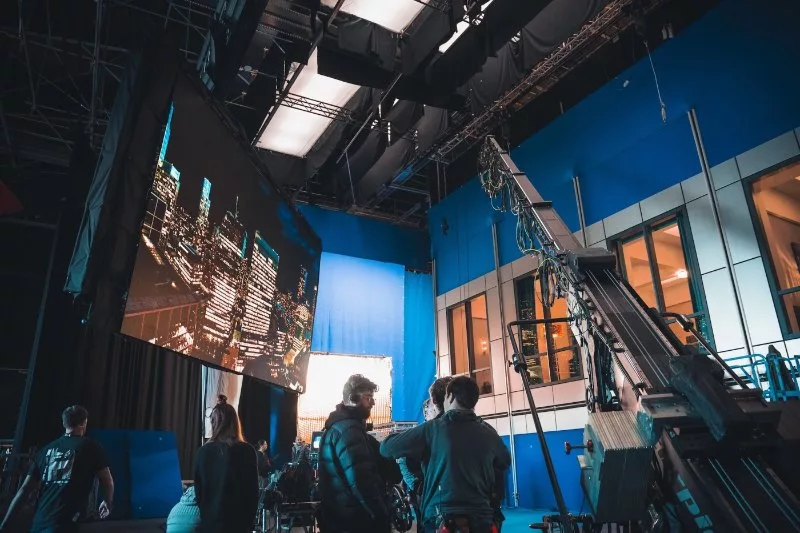
Instead of flying a cast and crew to an actual location, or shooting against a green screen and painting in the background months later in editing, the show’s team surrounded its actors with massive LED walls displaying a fully rendered digital world in real time, built using the same game-engine technology behind titles like Fortnite.
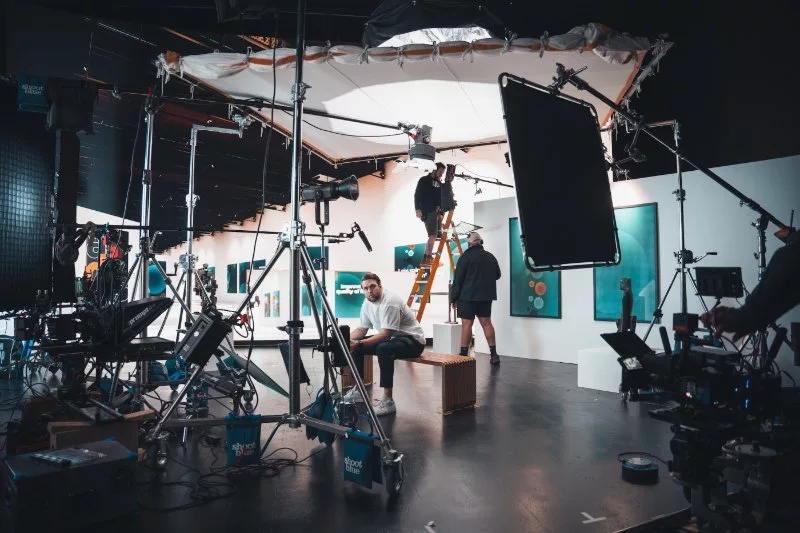
The environment reacted to the camera as it moved, so what the actors saw — and what audiences eventually saw behind them — was there on set, not stitched in afterward.
Watching that unfold changed how Hakesley and Kimani thought about what a two-person production outfit could become.
“As a business, we’ve consistently embraced innovation,” Kimani has said of that moment. “We wholeheartedly immersed ourselves in it.”
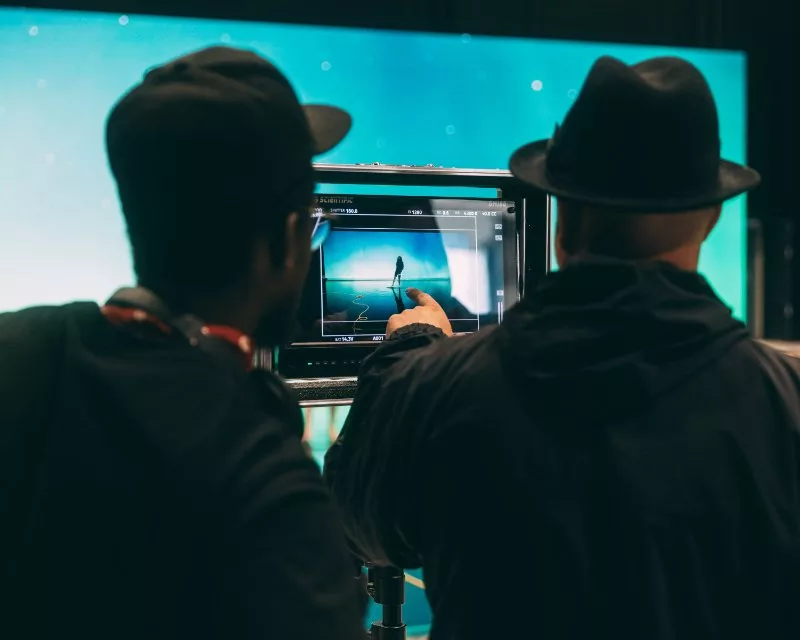
They built their first permanent studio in Maidenhead, just outside London — 7,500 square feet of LED walls and production technology that opened in spring 2023.
From there, the client list grew quickly: campaigns for FIFA, the official FIFA anthem featuring Robbie Williams and Laura Pausini, work connected to Lucasfilm, the Martin Campbell-directed film Cleaner starring Daisy Ridley and Clive Owen, corporate projects for McKinsey and Bloomberg, and a growing footprint stretching into Dubai and Pakistan.

By the time Hakesley and Kimani had worked on more than 150 virtual productions across the UK, Pakistan and the Middle East, they had also quietly built something else: a very personal reason to bring all of it home.
Why Kenya, Why Now
For Kimani, the Nairobi expansion isn’t just a business decision — it’s personal.
“I have met content creators who have the same skill set as people who are considered as famous and reputable because of their skills,” he says.
“The only difference is that one is in Kenya and the other one is in another place.” His point is simple: talent was never the gap. Access was.

That idea sits at the heart of what the pair are proposing for Kenya’s creative industry, which has recently faced public criticism over recycled storylines and production quality that Kenyans feel falls short of what the country’s talent deserves.
Hakesley and Kimani think the missing piece isn’t ambition — it’s the tools to match it.
“What used to be reserved for Hollywood five years ago is now drilling down into people that are videographers, content creators and influencers,” Hakesley says. “The only thing that’s going to limit you is how far you can push your idea.”
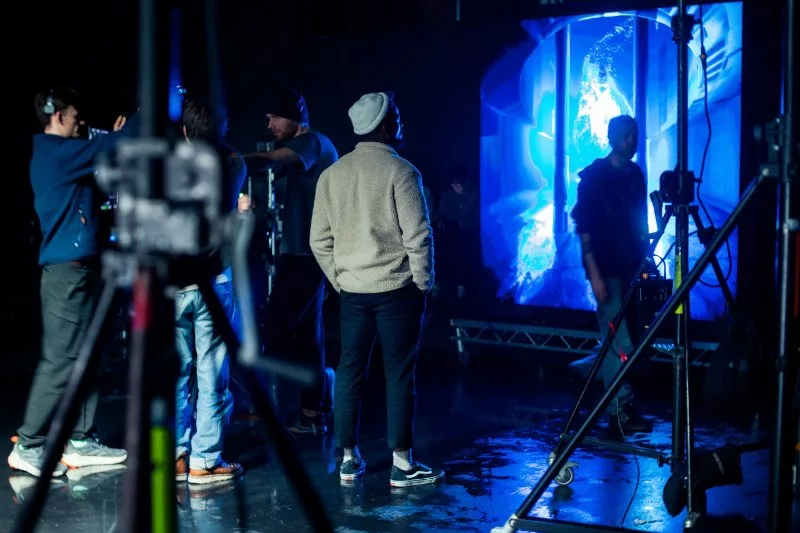
Part of what makes that possible is the nature of the technology itself. A filmmaker who once had to choose between shooting in Nairobi, Mombasa or New York — because the budget only stretched to one location — could, in theory, shoot all three from a single Nairobi studio, with each environment swapped digitally rather than physically.
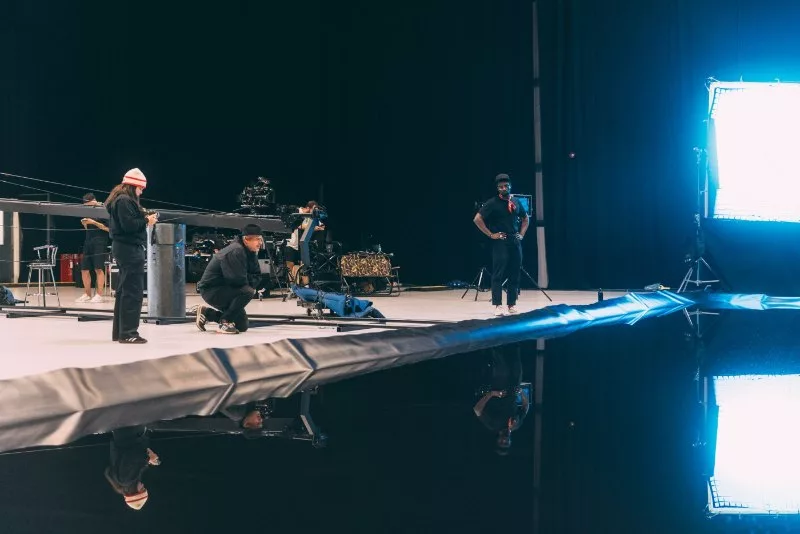
Kimani says that shift alone can cut production costs by 30 to 40 percent, savings he argues should go back into better storytelling — visual effects, actors, production design — rather than simply padding a producer’s margin.
For a small Kenyan production house or an independent filmmaker who’s had to scale down their vision to fit their budget, that’s the pitch: the chance to shoot something that looks like it cost far more than it did.
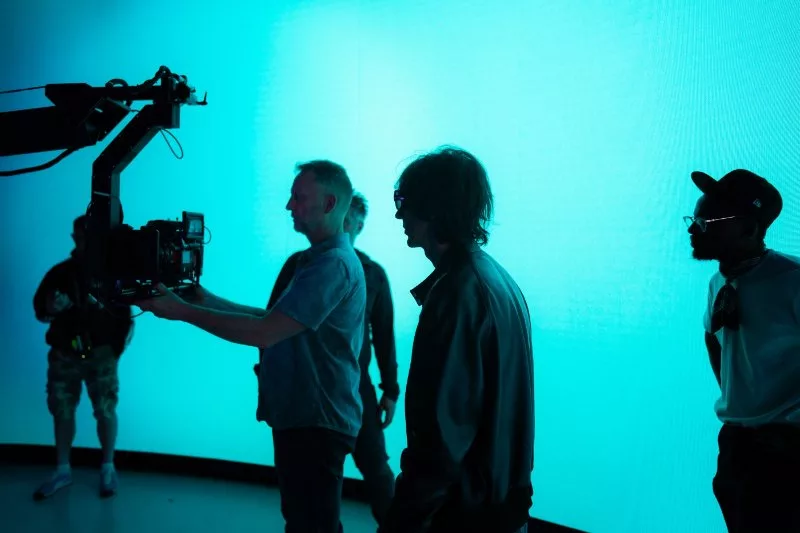
But the pair are careful to frame Kenya as more than a cost play. Hakesley says the bigger opportunity is creative — giving local filmmakers, small production companies and even businesses that need content the confidence to “dream bigger” instead of trimming their ideas down to what they can afford.

They also want the model to be accessible beyond big-budget productions — building something that works for individual creators and medium-sized businesses, not just the established players who can already absorb high production costs.
Part of that plan includes working with local universities and colleges to train a new generation in the specific skills virtual production demands: lighting, real-time graphics, 3D design and game-engine work — skills that could open doors beyond traditional camera and editing careers.
A Bet on More Than a Studio
Global virtual production is expected to grow into a roughly $9 billion (Sh1.16 trillion) industry by 2030, and Hakesley and Kimani are positioning Nairobi as a potential hub for that growth across East Africa and the wider region.
If it works, they believe it could pull in filmmakers, businesses and creators from neighbouring countries too — turning Kenya into a regional access point for technology that, until recently, only a handful of major studios could afford.
For two friends who started out simply filming things they found interesting, it’s a long way from where they began.
But talk to them, and the throughline is still the same one that got them here in the first place: a belief that good ideas shouldn’t be limited by what a budget allows — and that Nairobi’s storytellers deserve the same tools as everyone else.