
Kenya has to restructure its economy to realise notable increase in tax revenue collections for development purposes, economy and policy experts have said.
The country is grappling with a combination of tight fiscal environment, high debt repayments and lack of clear infrastructure development plan.
The policymakers, civil society organisations, researchers, development partners, and budget and tax experts said the government cannot sustainably raise more taxes from the existing tax base to achieve its 2060 vision yet businesses are struggling to grow, household incomes remain strained and access to credit is limited.
They said Kenya’s ambition to transform into a high-income economy by 2060 could remain difficult to achieve unless the government changes how it allocates and spends public funds.
Kenya National Chamber of Commerce & Industry (KNCCI) head of policy, research and advocacy Stephen Osedo said the country’s growing debt obligations and rising recurrent expenditure are leaving less money for development projects and productive sectors that are critical to long-term economic growth.
“When we have a lot of commitments to redeem our debts, what is left for public expenditure becomes narrower. The pressure is also being felt through delayed payments to contractors and stalled government projects,” said Osedo.
National Taxpayers Association on its part warned that continuing with the current spending pattern could undermine the investments needed to raise productivity, create jobs and increase household incomes over the coming decades.
It said that the government is increasingly finding itself with limited resources for development after meeting debt and recurrent expenditure obligations.
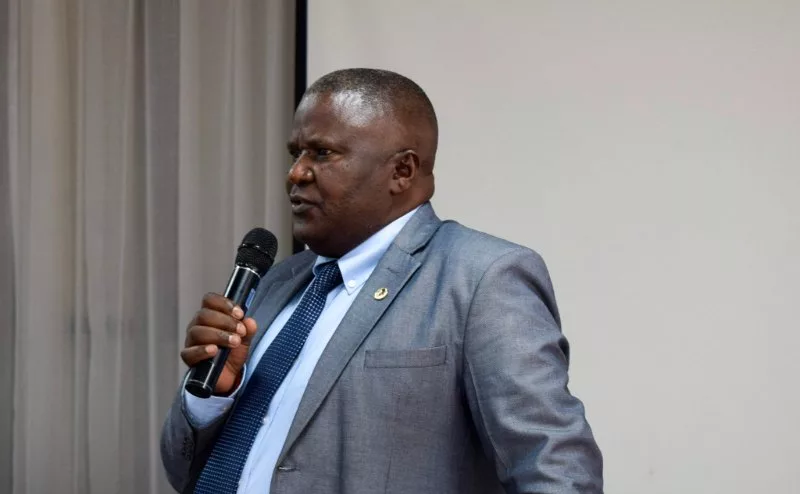
“This could undermine the economic transformation required to achieve Vision 2060, particularly if public investment fails to generate new economic activity. Kenya needs to change the way it evaluates public spending, particularly borrowing-funded projects,” said NTA chief executive Patrick Nyangweso.
He however noted that the country could improve tax compliance by showing citizens clearer returns for the taxes they pay, with better public services and stronger accountability needed to rebuild trust in the tax system.
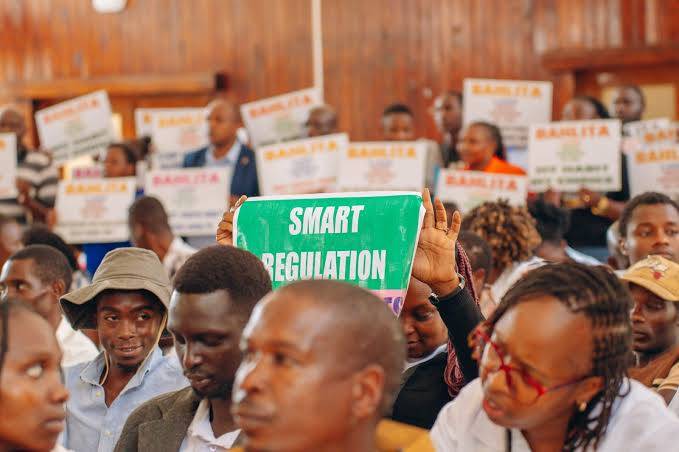
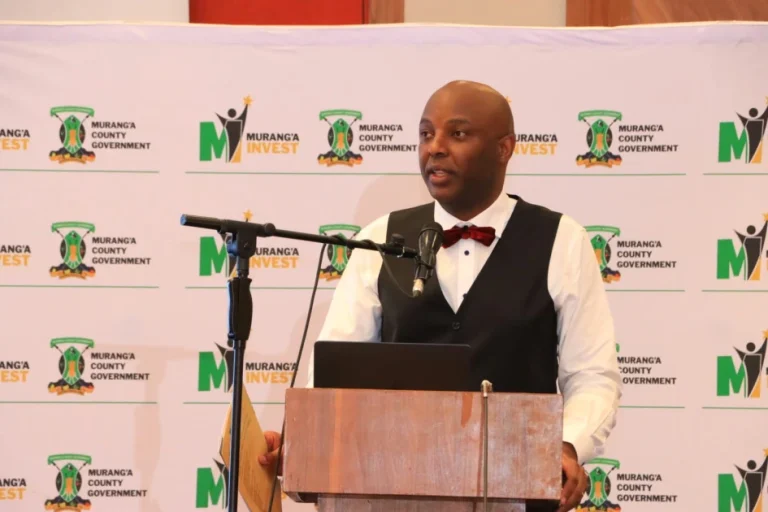
Speaking during the forum on national debt and domestic resource mobilisation, the NTA said the government’s ability to collect more revenue should go hand in hand with demonstrating how the money is being used.
“Once you collect the taxes from Mwananchi, they need to see services following those taxes, taxpayers should be able to see tangible benefits from their contributions” said NTA CEO Patrick Nyangweso.
The call comes as the government seeks to raise more domestic revenue and reduce its dependence on borrowing.
A large share of government revenue is already committed to debt obligations, limiting the funds available for healthcare, education, county services and other programs.
The interest payments of about Sh987.5 billion, equivalent to approximately 40.8 per cent of ordinary revenue. Total debt service was put at about 71 per cent of revenue.
This means that for every Sh100 shillings collected in taxes about Sh41 goes to financing interest on loans even before paying the principle amount.
The associations argues that, taxpayers may see limited improvements in services if a large portion of the money is absorbed by debt servicing.