

The government has stepped up consultations on the use of the Equalisation Fund to improve access to basic services and infrastructure in arid and semi-arid lands (ASALs) and other marginalised communities.
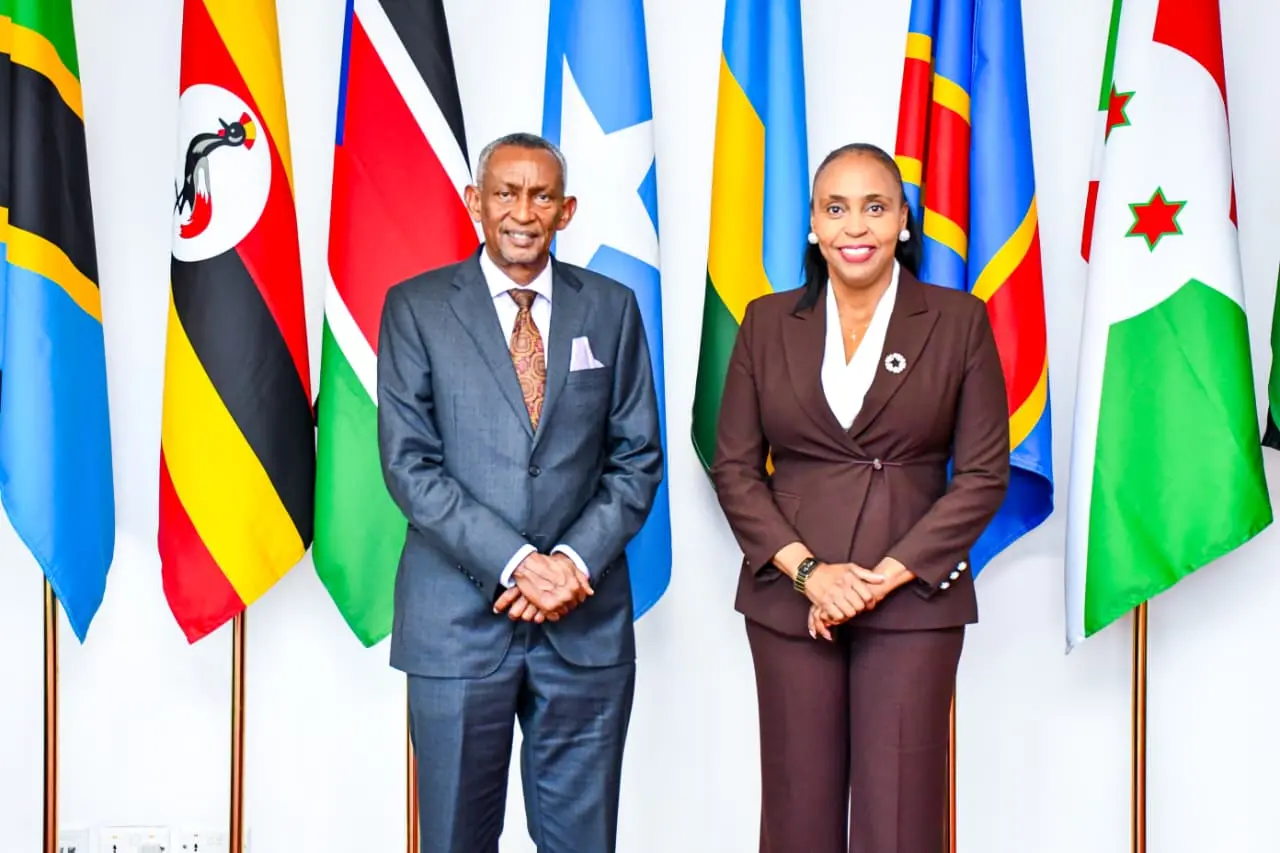
Principal Secretary for East African Community Affairs and acting Principal Secretary for ASALs and Regional Development Caroline Karugu held a consultative meeting with Equalisation Fund Advisory Board chairman Ambassador Mahboub Maalim on Thursday.
The meeting focused on the role of the fund in directing resources towards areas that have historically experienced gaps in access to basic infrastructure and public services.
In a statement, the State Department for East African Community Affairs, ASALs and Regional Development said the discussions centred on using the fund to support infrastructure and socio-economic development in marginalised areas.
“The visit bridged three vital spheres of development,” the statement said, highlighting infrastructure financing, socio-economic integration and human capital and human rights realisation.
The Equalisation Fund is established under the Constitution as an affirmative action mechanism intended to improve access to basic services in marginalised areas.
The fund targets services including water, roads, healthcare and electricity, with the aim of bringing service provision in marginalised areas closer to national standards.
The State Department said investment in essential infrastructure could help address long-standing development gaps in remote and ASAL regions.
It identified water infrastructure, feeder roads, community health facilities and grid and off-grid electricity connections among areas where targeted investment can support local development.
According to the department, improved road networks can connect remote agricultural and pastoralist communities to wider markets while reducing transport costs and post-harvest losses.
It also said reliable water and electricity supplies can support the growth of trading centres, small enterprises, value addition and digital access.
The department linked improved infrastructure to broader socio-economic integration, arguing that communities with access to basic services are better positioned to participate in economic activities and national supply chains.
The meeting also highlighted access to basic services as a constitutional rights issue.
Article 43 of the Constitution provides for economic and social rights, including the right to accessible and adequate housing and reasonable standards of sanitation, freedom from hunger and adequate food, clean and safe water in adequate quantities, social security and education.
The State Department said improving access to such services in marginalised areas could also support better health and education outcomes.
It cited potential benefits including improved maternal and child health, reduced exposure to waterborne diseases and increased school retention, particularly among girls who may otherwise spend significant time fetching water.
The department said the Equalisation Fund’s targeted investments are intended to address disparities between marginalised areas and the rest of the country.