



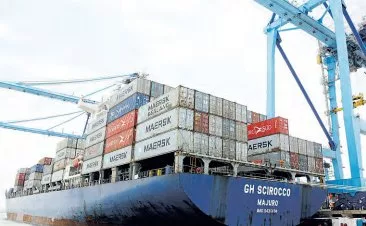
Small-scale importers are once again staring at higher costs after the Kenya Revenue Authority (KRA) moved to change how consolidated cargo is valued, reviving a tax dispute that has previously disrupted the flow of goods into the country.
The new regime, initially scheduled to take effect on July 1, raises the benchmark value for general containerised consolidated cargo from Sh2.5 million to Sh3.2 million.
Following pressure from traders and industry groups, KRA agreed to suspend implementation until August 20, giving importers more time to engage the taxman.
The dispute centres on how thousands of small traders who cannot afford to fill an entire container should be taxed.
Under the previous arrangement, consolidated cargo was generally assessed using a weight-based benchmark of Sh200 per kilogramme.
The new approach shifts greater emphasis to the value of the goods, in line with internationally recognised customs valuation principles.
The World Trade Organisation’s Customs Valuation Agreement makes transaction value the price actually paid or payable for imported goods, the primary basis for determining customs value, subject to specified adjustments and conditions.
KRA says the change is necessary to close loopholes that have allowed undervaluation and tax evasion.
In 2023, the authority accused some importers of using consolidation to conceal high-value goods, including smartphones, and declaring them at values that did not reflect their actual prices.
Importers, however, fear the new system will make it more expensive to bring goods into Kenya and eventually push retail prices higher.
“What new value is KRA going to give importers? The cost of doing business is already too high. This frequent shift in tax policies is not healthy. We won’t take this lying down,” said James Mawathe, a Nairobi trader dealing in mobile-phone accessories.
Another electronics dealer, Joshua Irungu, urged the taxman to consider the difficult trading environment facing small businesses.
The Kenya International Freight and Warehousing Association (KIFWA), which represents clearing and warehousing players, has been involved in negotiations with KRA and the Kenya National Chamber of Commerce and Industry (KNCCI).
But sections of the industry remain opposed to the new benchmarks and the requirement that certain consolidated cargo be cleared through designated Container Freight Stations.
KRA has offered some relief, agreeing to waive storage charges accumulated after its July 9 benchmark directive for affected consignments.
Importers who believe their goods warrant a lower valuation will also be allowed to request verification and valuation.
The current confrontation echoes the turmoil of 2023, when KRA’s shift from weight-based to transaction-based valuation resulted in cargo piling up at Jomo Kenyatta International Airport and Eldoret International Airport.
The standoff disrupted supplies of mobile phones, electronics, cameras and other consumer goods.
Cargo flights at JKIA were eventually suspended for months before resuming in March 2024.
Consolidated cargo remains an important lifeline for small businesses because traders can pool relatively small consignments into one container instead of bearing the cost of importing a full container individually.
The Government has invested in facilities such as the National Deconsolidation Centre at Nairobi Central Railway Station to make it easier for small traders to collect cargo transported from Mombasa by the Standard Gauge Railway.
The latest standoff presents KRA with a delicate balancing act: raising revenue and curbing tax evasion without making formal importing prohibitively expensive for thousands of small businesses.