



YouTube has announced major changes to its Partner Program (YPP), with new eligibility requirements for creators seeking to earn advertising and YouTube Premium revenue set to take effect in February 2027.
“The YouTube Partner Program helps creators earn from their content and now includes over 3 million @YouTubeCreators. Starting in February 2027, we’re making three updates to the program — here’s what’s changing and what’s not:”
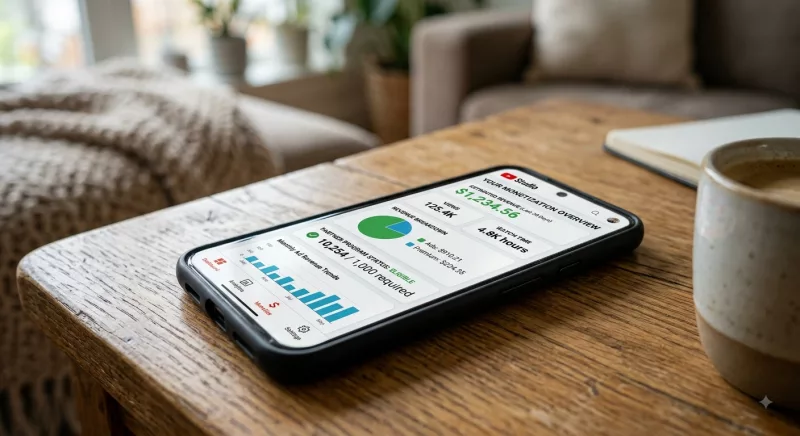
Under the announced changes, new applicants will need to meet higher performance requirements to qualify for advertising and Premium revenue.
The platform says the changes are intended to create new opportunities within its creator economy while maintaining existing revenue-sharing arrangements for long-form videos and Shorts.
Core Policy Updates and Unchanged Protections
YouTube has also clarified that creators already in the Partner Program will retain their YPP status.
Eligibility for fan funding and shopping products will also remain available at the lower entry tier, while the revenue-share split for long-form videos and Shorts will not change.
“What’s not changing:Revenue share split across long-form and Shorts,Eligibility for fan funding and shopping products &Channel’s existing YPP status”
Creator Backlash and Mixed Social Media Reactions
The announcement has, however, triggered mixed reactions among creators and other users on X, with some questioning whether the new requirements could make it harder for smaller channels to earn money.
One user criticised the changes, arguing that if the intention is to prevent AI-generated channels from being monetised, the new rules could end up affecting legitimate creators as well.
“If this is to stop the AI channels from being monetized, all this does is make them make sore to meet the new requirements, while hurting everyone else,” the user wrote, calling it “not the best solution.”
Another creator, Saints of the Sage, expressed deeper frustration, saying, “I think it is time to abandon YouTube.”
They argued that if creators who earn little money leave the platform, the departure could eventually affect larger creators because audiences would follow them elsewhere.
Others questioned the feasibility of the new Shorts requirement. “The 10 million views on shorts is sooooooo unrealistic for most people. That’s just awful,” one user said.
Not everyone opposed the changes, however. Another commenter suggested that increased Premium Lite revenue could potentially translate into higher RPM and improved earnings for creators.
One user also praised YouTube for giving creators time to prepare for the changes, contrasting the platform’s approach with what they described as abrupt changes on X.
Other reactions were considerably harsher, with one user calling the announcement “impossible” and describing the platform as “a joke.”
Another accused YouTube of being “greedy” and warned that increasing monetisation requirements could eventually push creators away from the platform.
A History of Escalating Monetisation Thresholds
YouTube creators’ frustrations over monetisation requirements have persisted for years, particularly among smaller and newer channels struggling to meet the platform’s thresholds.
Since YouTube introduced the 1,000-subscriber and 4,000-watch-hour requirement in 2018, creators have repeatedly raised concerns about how difficult it is to qualify.
The introduction of Shorts added another hurdle, requiring creators to have 10 million valid Shorts views within 90 days to access full ad revenue.