



Kenya’s motor insurance business is becoming increasingly difficult to sustain, with rising claims and operating costs pushing insurers deeper into losses despite another year of robust growth across the wider insurance industry.
New industry data shows motor insurance generated the largest underwriting loss of any insurance class in 2025, recording a combined loss of Sh8.2 billion as claims payouts and expenses continued to outpace premiums collected.
The deterioration points to a growing financial strain facing insurers in one of Kenya’s most popular but least profitable insurance segments.
The latest industry performance report by the Insurance Regulatory Authority (IRA) shows that while Kenya’s insurance sector expanded strongly last year, the gains masked persistent weaknesses in general insurance, particularly motor cover.
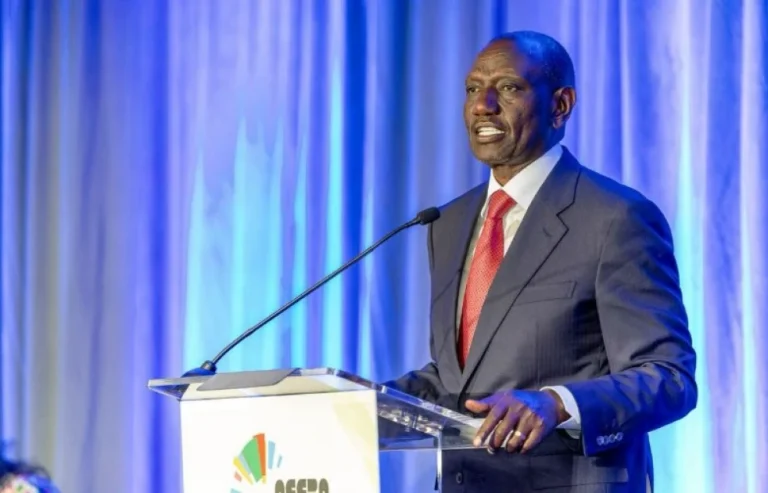
IRA chief executive officer Godfrey Kiptum said that despite gross written premiums rising by 17.6 per cent to Sh464.72 billion and assets growing to Sh1.47 trillion, motor fraud remains a major threat.
Overall, the general insurance business posted an underwriting loss of Sh7 billion in 2025, worsening from a Sh5.2 billion loss recorded a year earlier.
“The industry’s combined ratio, which measures claims, commissions and operating expenses against earned premiums, climbed to 104.5 per cent, indicating insurers paid out more than they earned from underwriting before investment income was taken into account,” said Kiptum.
Six of the thirteen general insurance classes recorded combined ratios above 100 per cent, signalling widespread underwriting losses across the sector.
Motor insurance remains one of the largest lines of business in Kenya, accounting for 27.1 per cent of general insurance premiums, second only to medical insurance, which contributed 41.1 per cent. However, its large market share has not translated into profitability.
Insurers continue to grapple with a combination of rising accident-related claims, escalating vehicle repair costs driven by inflation and expensive imported spare parts, fraud, legal compensation costs and intense price competition that has kept premiums relatively low.
The underwriting challenges come even as the insurance industry reported a healthy profit after tax of Sh33.07 billion, with insurers continuing to rely heavily on investment income rather than their core insurance operations to remain profitable.
With total industry investments reaching Sh1.31 trillion, 73.1 per cent of which are held in government securities, investment returns continue to cushion insurers from underwriting losses in business lines such as motor insurance.
According to the IRA’s April 2026 claims snapshot, general insurance continues to experience significantly slower claims settlement than long-term insurance.
Liability claims take an average of 29.6 months to settle after admission, while non-liability claims average about 4.5 months. Long-term insurance claims, by comparison, are settled in an average of just 1.6 months.
“Much of the delay in outstanding claims is due to incomplete documentation, with nearly two-thirds of outstanding liability claims awaiting the submission of required documents,” added Kiptum.
While no admitted or court-determined claims remained outstanding beyond 90 days, documentation gaps continue to slow the claims settlement process and tie up billions of shillings in unpaid claims.
Industry players have in recent years called for greater use of technology, data analytics and telematics to improve risk pricing and detect fraudulent claims.
Others argue that stronger enforcement against insurance fraud and more efficient claims processes could help reduce losses without imposing significantly higher premiums on motorists.
Despite the challenges in motor insurance, the wider insurance industry continues to show resilience. Gross premiums climbed to Sh464.72 billion in 2025, while the industry’s asset base expanded to Sh1.47 trillion.
For the first time, long-term insurance overtook general insurance in premium contribution, accounting for 50.7 per cent of total premiums compared with 48.9 per cent for general insurance, reflecting growing demand for life and investment-linked products.