
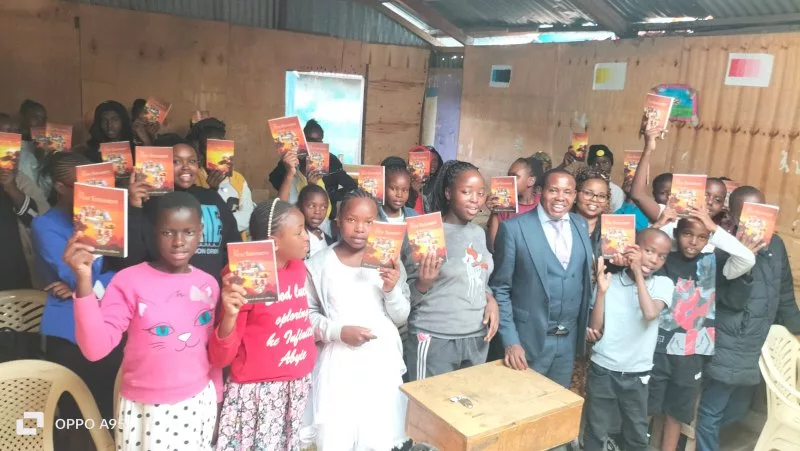
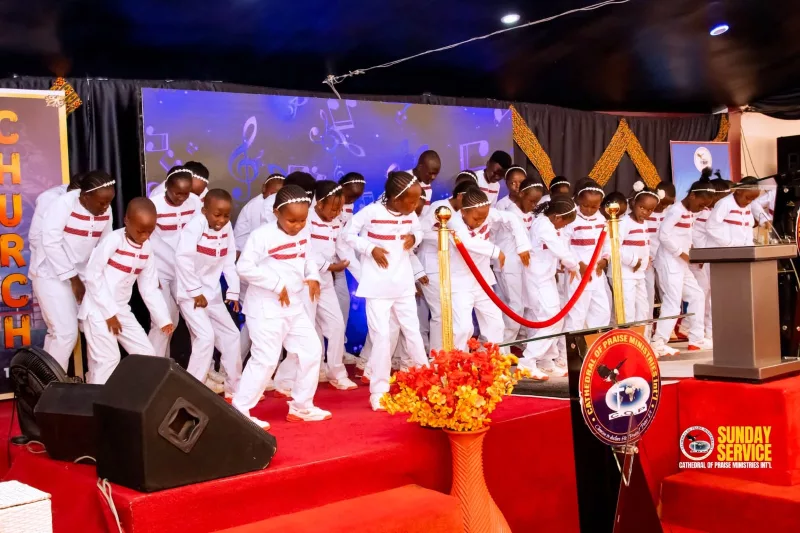
While growing up at Bogwendo Village in Nyamira County, I found myself involved by default in childhood skits in my Sunday School at Bogwendo P.A.G Church.
The practice, the enthusiasm, the joy and the laughter that used to echo in the church motivated our high spirits and expectations always keeping us waiting for the time of our presentations.
Then came one sunny afternoon when I and a team of friends marched happily to the church oblivious of the heartbreaking news that awaited us.
Upon reaching the church, the nasty news echoed on being informed that our practice teacher, Ms. Eunice Kerubo would not be present to take us through the sessions catching us off-guard.
What did that mean to us as kids? It implied defeat! It showed failure! It indicated how much our hard work and effort could not be showcased in other churches during the competition yet it was a period for our soft, angelic voices to be heard.
For the longest period, we were used to my church being the champions and now that our practice teacher couldn’t make it for practice our doom’s day seemed nigh.
It took me years later to understand that such were the kind of frustrations constantly experienced by artists in Kenya and perhaps universally though the government has since learnt of the challenges and is out to turn them into opportunities for the Kenyan youth.
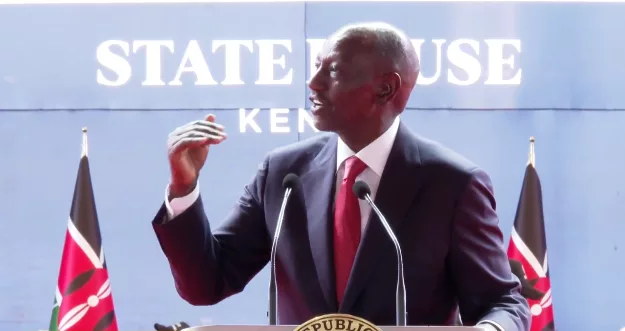
President William Ruto has always found joy in seeing young minds speak with a voice that not only inspires and encourages, but also upholds patriotism.
That is why through the State Department for Youth Affairs and Creative Economy, the President announced a policy shift aimed at formally integrating the creative sector into the government structure.
Towards this course, the Public Service Commission has also, consequently approved a new staffing framework under the State Department ensuring existence of a scheme of service for creatives within government effectively causing a turning point for the long starved players in the sector.
This historic move will pave way for the recruitment of artists and industry professionals into the public service roles, providing a stable foundation for professional growth.
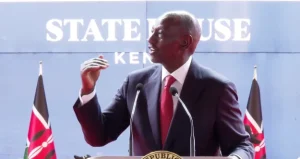
And from his address during this year’s National Drama Festivals State Concert at State House Nairobi, a shocking truth was reveled that over 4,000 students graduate from universities every year with little hope of getting a job.
Part of the Bottom-Up-Economic Transformation Agenda (BETA) pillars aim is to create jobs for every youth in Kenya and the creative sector promises a raft of opportunities.
“We must create opportunities so that everyone in the film and arts industry knows they have a real chance of employment, just like professionals in other fields such as teaching, law and engineering.” President Ruto emphasised.
Additionally, the head of State directed that the National Drama Festivals be fully funded by the Ministry of Education, reinforcing their vital role as a key co-curricular platform to promote inclusivity and to motivate the students.
To further streamline participation and enhance sectoral credibility, President Ruto instructed the Kenya Institute of Curriculum Development (KICD) to develop clear vetting and engagement frameworks for creatives, in collaboration with the Kenya Cultural Centre (KCC).
“With the Kenya Cultural Centre involved, the artists’ association (KCCAA) will have a voice in determining who is vetted and establishing the guidelines to follow,” President noted.
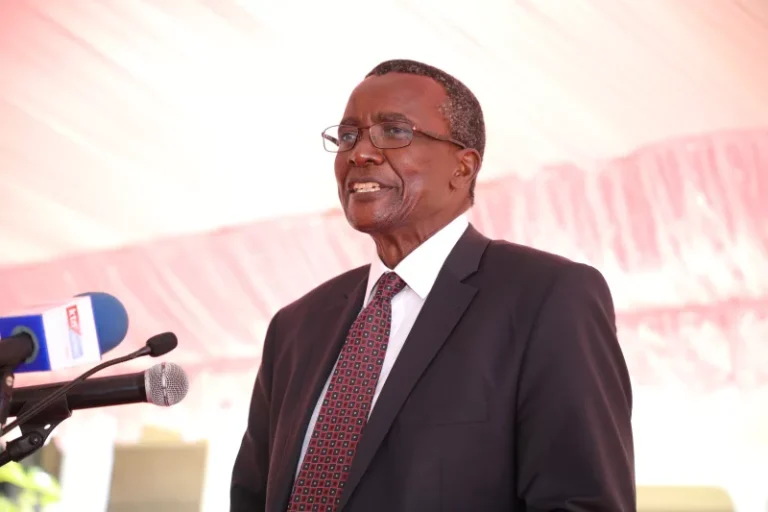
In this vein the Government Spokesperson, Isaac Mwaura attended the 7th Prayers Day for the Kenya Cultural Centre for Artistes Association (KCCAA) at the University of Nairobi CCU grounds as the chief guest urging the artists to show integrity and passion in their line of work.
The Spokesperson underscored the transformative power of talent, describing it as the ultimate equalizer that allows individuals to shine regardless of their background reaffirming the government’s commitment to the creative economy.
The visit of the Art Exhibition at the University of Nairobi by President William Ruto alongside the French President, Emmanuel Macron at the height of the fourth Africa Forward Summit further underlines the importance of art, culture, history and heritage as a factor that continues to connect people from diverse backgrounds through shared appreciation and cultural exchange.
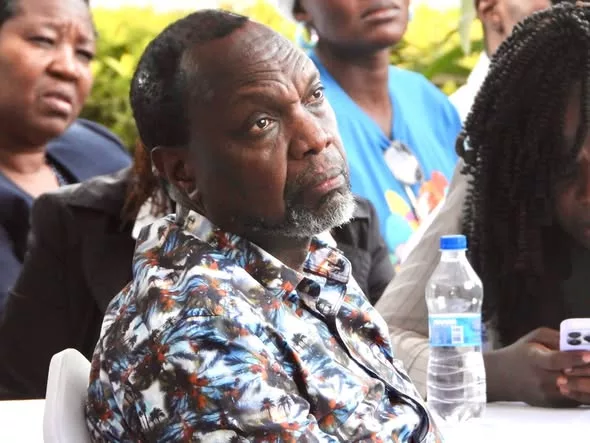
And on having a one-on-one conversation with the ArtSpace actors Wanga and Olilo, of ArtSpace Production, it was clear that to them art is not just acting, but breath, life and what pays their bills.
To them, ‘fasihi ni kioo cha jamii’ to mean literature mirrors the society, urging them to act upright because they are a direct reflection of what happens in the society.
Film and Creative Arts just like any other career pathway face several challenges and the ArtSpace actors, producers and other stakeholders in the creative sector, express their gratitude to President Ruto for the transformative reforms by his administration as they ensure that the needs of the artists are met.
They are in line with the changes urging the government to provide them with a permit that gives them access to high schools to represent various characters as instilled in the set books.
The actors and stakeholders also want the government to sensitise the parents to understand that art is just like any other career and should encourage their children to grow their talent where spotted right at the young age.
The journey from a small Sunday School stage in Bogwendo to the national spotlight reflects a larger truth about the creative sector that talent, when nurtured, has the power to transform lives and shape society.
What once felt like defeat in the absence of a teacher now finds renewed meaning in me, through experience of the deliberate government’s action and policy direction.
With the integration of the creative economy into public service and sustained support through platforms like the National Drama Festivals, young creatives are no longer confined to uncertainty but are being given a structured path toward growth, recognition, and economic empowerment.
This shift affirms that art is not merely a pastime, but a viable and impactful career that deserves equal footing with other professions.
Addressing gaps such as school access for performers and parental awareness however, remains key in unlocking the full potential of this sector which stands as a powerful mirror of society and a driver of opportunity for Kenya’s youth.
And by investing in it, the nation is not only preserving culture and storytelling but also building a future where every talented young person has a chance to be seen, heard and thrive.