

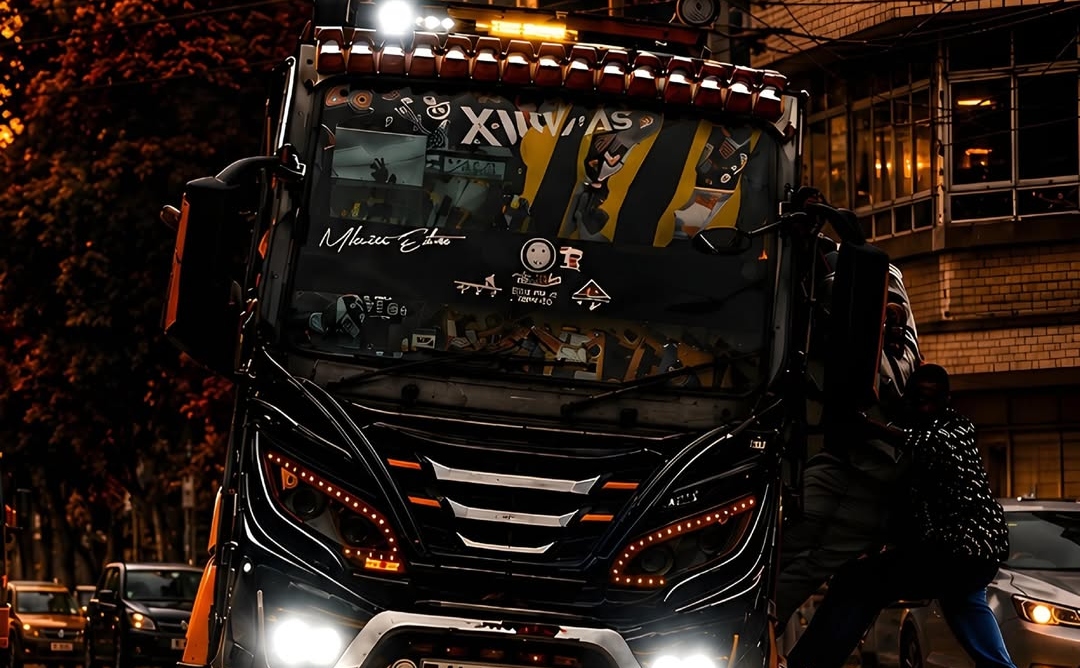
The brightly painted matatu swerves from one lane to another. Music blasts from powerful speakers. Passengers cheer as the vehicle snakes through traffic, overtaking cars and squeezing into narrow gaps.
For many young commuters, the experience is thrilling.
For road safety experts, it is terrifying.
The culture of the “nganya” has become a defining feature of urban transport in Kenya. Known for customised artwork, loud entertainment systems and youthful crews, these vehicles have built loyal followings, particularly in Nairobi.
Yet behind the glamour lies a growing concern about dangerous driving habits that have increasingly been linked to road crashes.
Recent accidents involving public service vehicles have once again raised questions about whether some operators are prioritising popularity and speed over passenger safety.
“A matatu is public transport, not a performance stage.”
The snake-like manoeuvres
Among enthusiasts, aggressive driving styles are often celebrated as a display of skill.
Drivers weave through traffic, make sudden lane changes and compete for passengers along busy routes. Commuters commonly describe these movements as “snake-like”, with vehicles twisting through traffic in ways that leave little room for error.
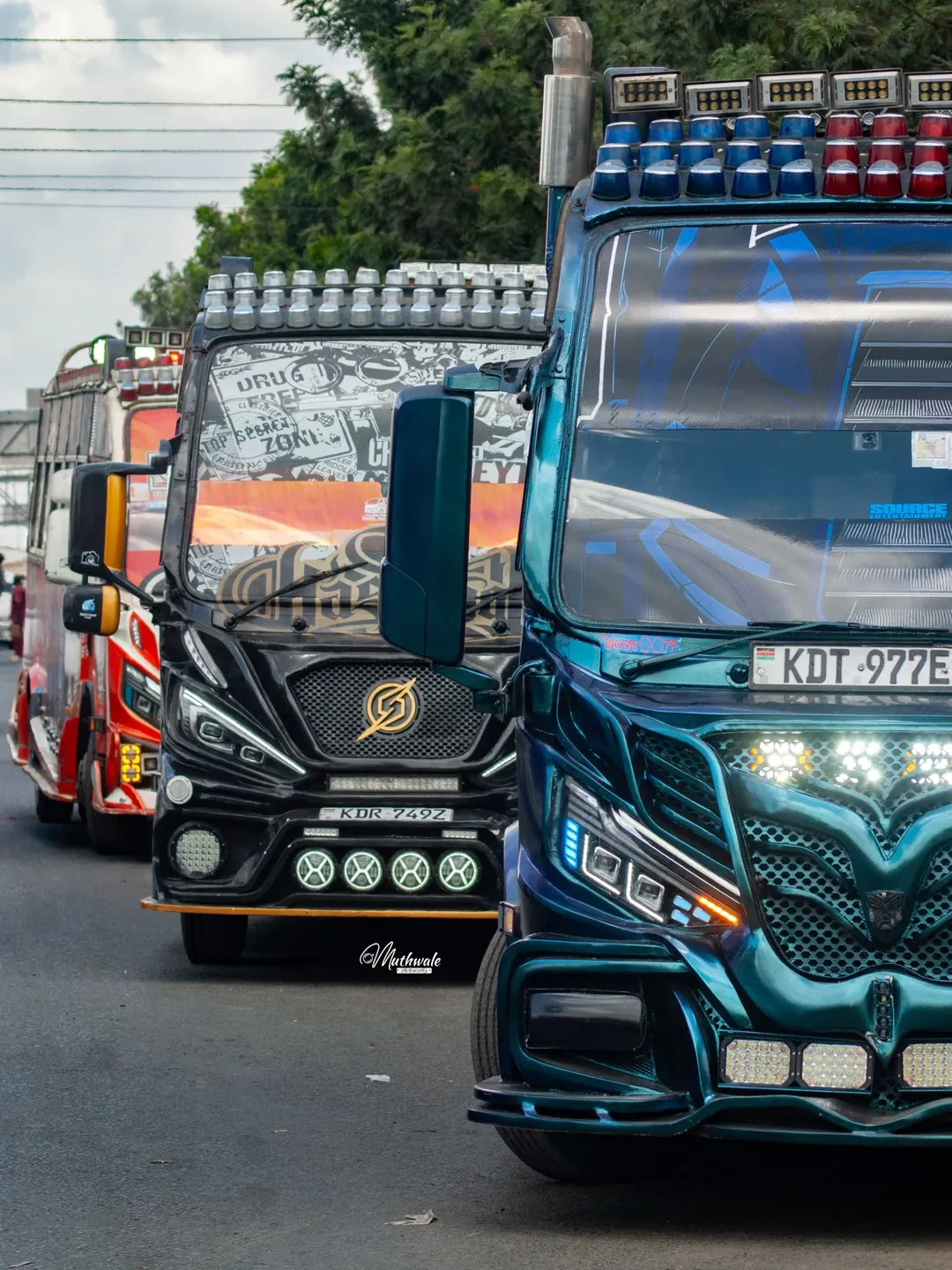
Road safety officials warn that such behaviour significantly increases the risk of collisions.
According to the National Transport and Safety Authority (NTSA), speeding remains one of the leading causes of road crashes in Kenya. Dangerous overtaking, distracted driving and failure to observe traffic rules also contribute heavily to fatalities.
When a driver loses control, the consequences can be devastating.