


Cancer is now a growing national crisis that is claiming lives at an alarming rate. According to the GLOBOCAN 2022 report by the International Agency for Research on Cancer, Kenya recorded 44,726 new cancer cases and 29,317 deaths in a single year.
That translates to one cancer-related death every 18 minutes, a grim reminder of the scale of the challenge facing the country.
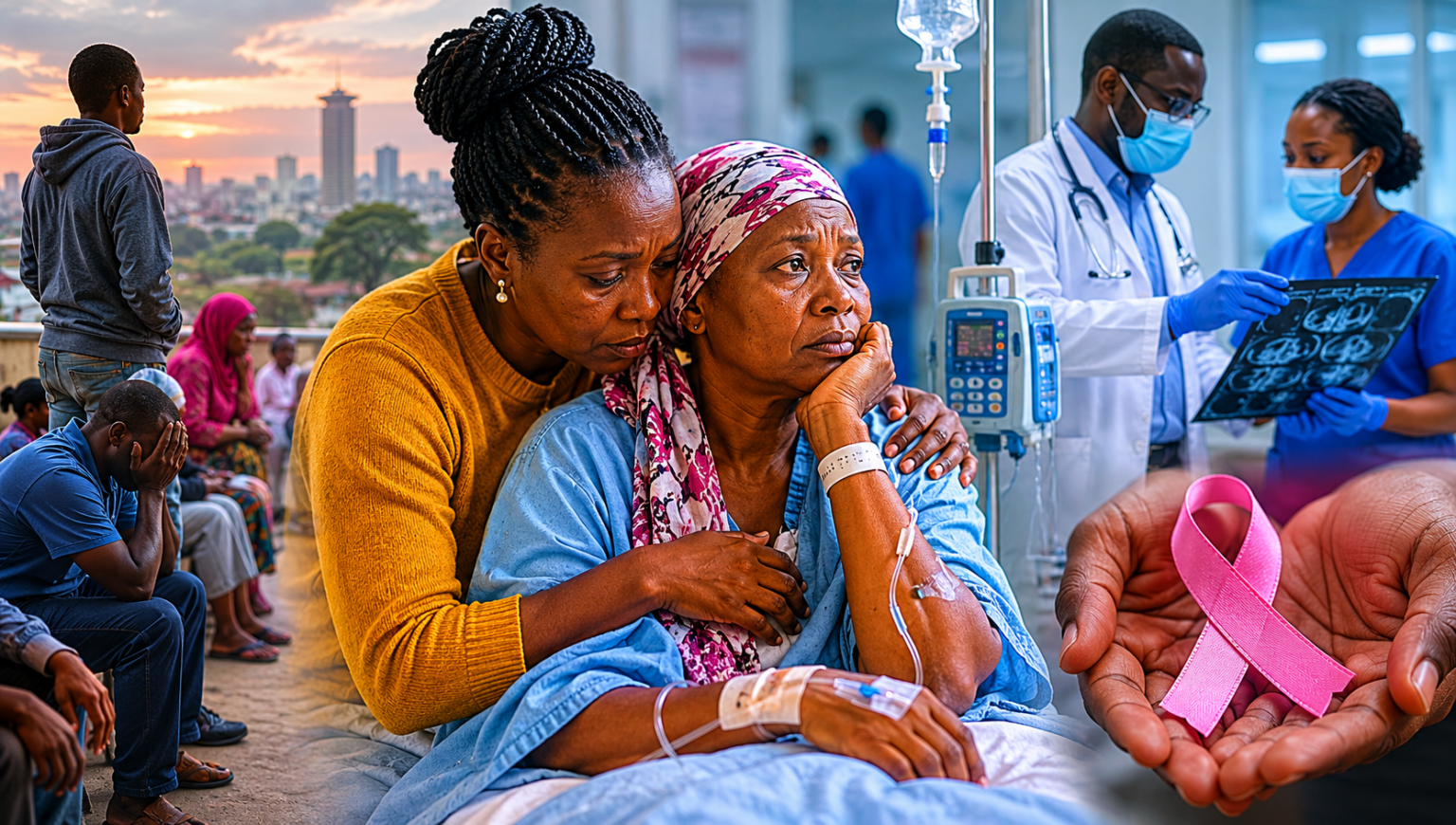
Behind these figures are thousands of families forced to cope with the emotional, physical, and financial burden of a disease that often arrives without warning.
Cancer is now the third leading cause of death in Kenya after infectious diseases and cardiovascular conditions, making it one of the country’s most pressing public health concerns.
Among women, breast cancer, cervical cancer, and esophageal cancer are the most commonly diagnosed forms of the disease.
For men, prostate cancer, esophageal cancer, and colorectal cancer remain the leading threats.
Oesophageal cancer continues to raise particular concern due to its unusually high rates in parts of Central and Western Kenya, where cases remain significantly higher than in many regions around the world.
One of the biggest challenges in the fight against cancer is late diagnosis. Many patients seek medical attention only after symptoms have become severe, reducing treatment options and lowering survival chances.
Limited awareness, stigma, cultural beliefs, and shortages of oncology specialists continue to hinder early detection and effective treatment.
The burden is also increasingly affecting younger Kenyans. Health experts are observing more cases among people in their twenties, thirties, and forties.
Changes in lifestyle, including poor diets, reduced physical activity, and the growing consumption of highly processed foods, are contributing to rising risks.
Addressing this crisis will require more than awareness campaigns. It demands stronger investment in screening programs, better access to treatment, improved healthcare infrastructure, and a coordinated national response.
By Kamaru Mathenge