



Small businesses in Kenya are facing a severe credit crunch, with financial institutions providing only a fraction of the funding needed to sustain and expand operations.
This is raising concerns about the future growth of a sector that drives the country’s economy and job creation.
Data from the ongoing review of the Micro, Small and Medium Enterprises (MSME) policy shows that small businesses require approximately Sh4 trillion in financing.
However, commercial banks currently provide only about Sh700 billion, leaving a staggering funding gap of Sh3.3 trillion.
The shortfall comes at a time when the MSME sector remains the backbone of Kenya’s economy, accounting for nearly 80 per cent of new jobs created annually and supporting millions of livelihoods across the country.
Financial experts are now calling for urgent interventions to unlock credit and ensure small enterprises can access affordable and appropriate financing.
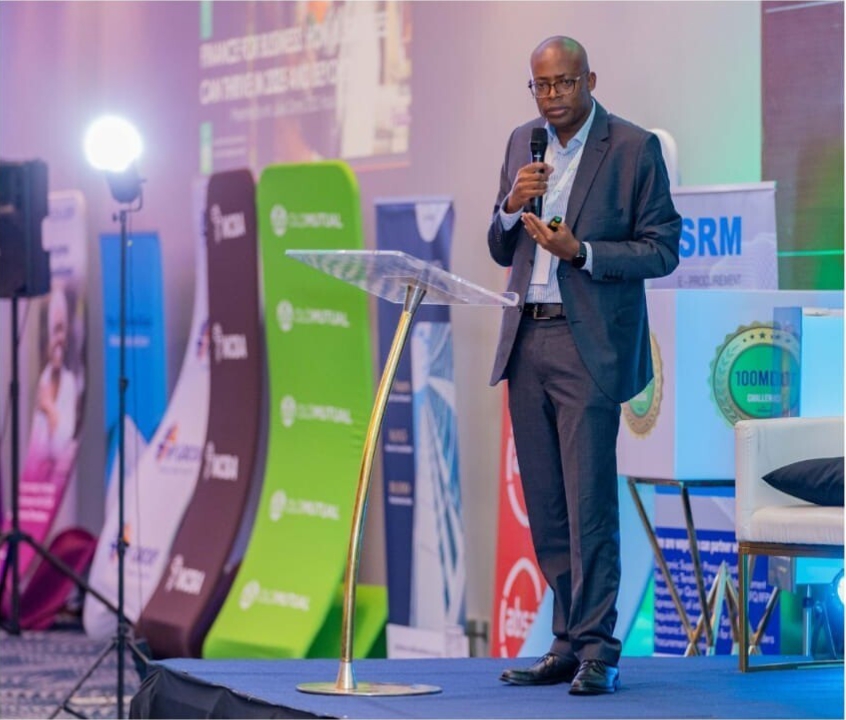
According to Julius Ouma, chief executive officer of Faulu Microfinance Bank, traditional lending models continue to lock out a large number of viable businesses because they rely heavily on collateral and formal financial records.
“Traditional banking models rely heavily on physical collateral and formal records, an exclusionary framework that eliminates a vast majority of viable Kenyan enterprises,” said Ouma.
He noted that many entrepreneurs operating in the informal and semi-formal sectors have strong cash flows and viable business models but are unable to access credit because they lack conventional security requirements demanded by lenders.
To address the challenge, Ouma is urging financial institutions to adopt alternative credit assessment methods that focus on business cash flows, transaction history and customer behaviour rather than fixed assets.
Experts argue that without deliberate policy and market interventions, the financing gap will continue to constrain enterprise growth, limit job creation and slow the country’s broader economic development agenda.
They also point out that SMEs have diverse financing needs that cannot be addressed through a one-size-fits-all lending approach.
Retail traders often require quick short-term financing to replenish stock, while agricultural enterprises need credit facilities aligned to seasonal production cycles.
Transport and logistics businesses, on the other hand, require longer-term asset financing to acquire vehicles and equipment.
Ouma said lenders must redesign their products to respond to the unique realities of different sectors and help businesses navigate rising operational costs.
As part of efforts to improve access to credit, Faulu Microfinance Bank has shortened loan approval timelines to enable entrepreneurs to seize time-sensitive business opportunities.
The lender is also combining financing with digital business tools and financial literacy programmes covering areas such as tax planning, bookkeeping and debt management.
The approach reflects a growing shift within the financial sector, where lenders are increasingly viewing small and informal businesses as commercially viable customers rather than beneficiaries of social support programmes.