


East Africa’s growing clean energy sector is attracting increasing attention from investors, development partners and policymakers, but entrepreneurs operating in the industry say access to financing remains one of the biggest barriers.
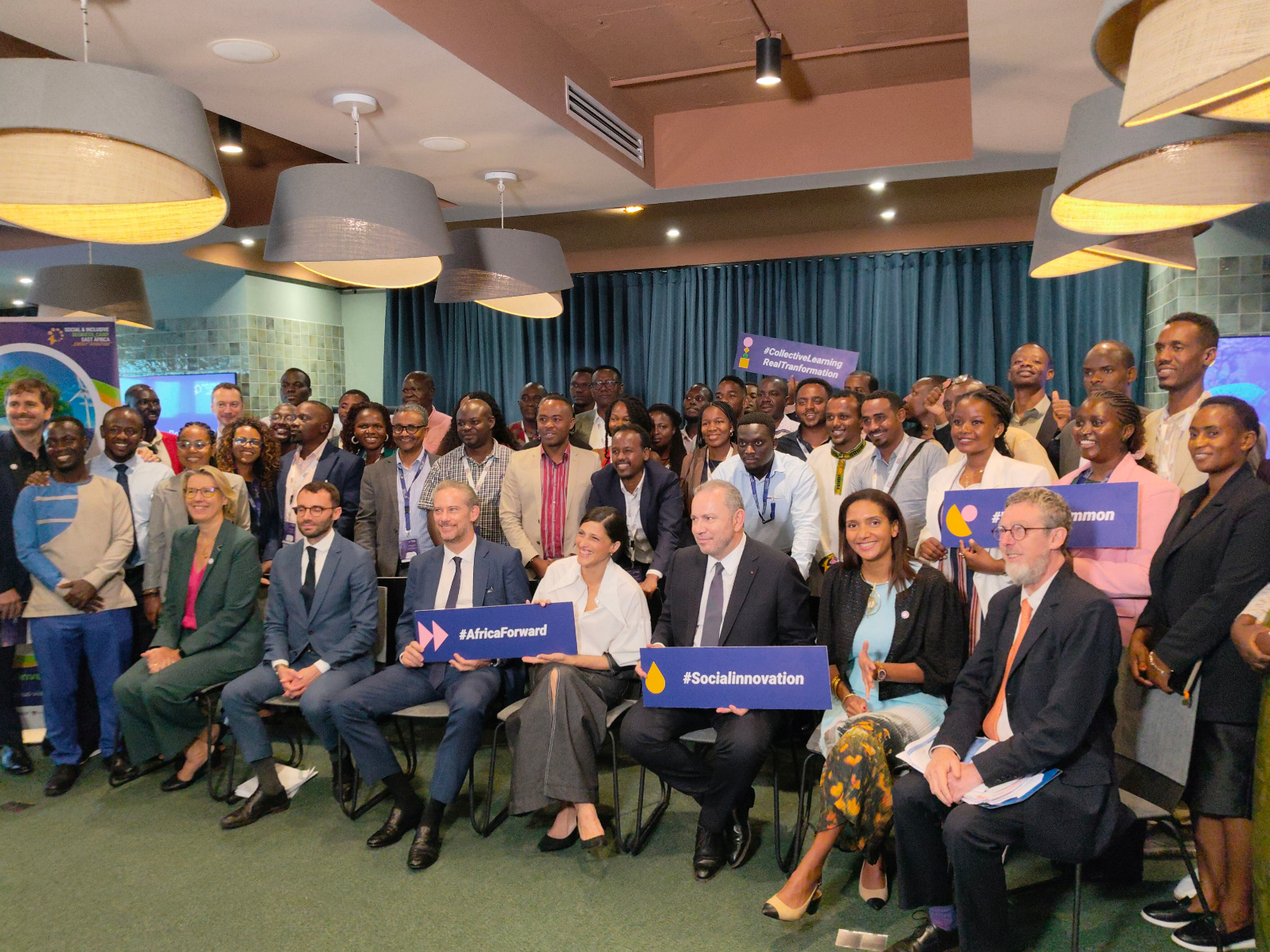
The financing challenge emerged during a high-level networking and exchange session held in Nairobi under the Social and Inclusive Business Camp (SIBC) East Africa Programme.
While investor interest in climate and energy transition businesses continues to grow globally, many startups in East Africa still struggle to secure the financing needed to expand operations and strengthen their businesses.
Ecosystem experts and programme participants cited persistent gaps in access to financing, particularly for enterprises attempting to scale sustainable energy solutions adapted to African market realities.
“The SIBC programme is helping us think beyond our local markets and strengthen our businesses for long-term impact. The combination of mentorship, collaboration, and exposure to investors and ecosystem actors is opening new possibilities for growth and partnerships,” said operations lead at clean energy and technology company Knights and Apps limited June Moraa.
The gathering convened representatives from Agence Française de Développement (AFD Group), regional entrepreneurs, technical experts, diplomatic representatives and international partners supporting innovation, climate resilience and inclusive economic growth.
The session forms part of the ongoing SIBC East Africa “Energy Transition” programme, a regional initiative supporting entrepreneurs working in clean cooking, renewable energy, energy efficiency and energy access across Kenya, Uganda, Tanzania, Rwanda and Ethiopia.
SIBC Project Manager at Campus Groupe AFD, Philippe Baudez said that energy transition in Africa is not only a climate imperative, but also a major development and economic opportunity.
“Through stronger collaboration between entrepreneurs, investors, development organisations, and ecosystem actors, SIBC aims to accelerate innovation, climate resilience, and inclusive economic transformation across the region,” said Baudez.
The programme currently supports 48 entrepreneurs from East Africa, with a strong focus on women-led and inclusive enterprises addressing energy transition challenges within local communities.
Participants noted that although interest in climate-focused enterprises is increasing, many startups still require stronger technical capacity, investor connections and business support systems to become investment-ready.
The initiative is implemented through a six-month virtual acceleration phase followed by an intensive Nairobi bootcamp and continued post-programme support.
According to the organisers, the programme places strong emphasis on experiential learning, collaborative problem-solving, peer-to-peer exchange and ecosystem engagement to improve innovation, leadership and investment readiness among participating businesses.
The Nairobi bootcamp also serves as a milestone ahead of the Africa Forward Summit 2026, where participating entrepreneurs are expected to engage directly with investors, policymakers and international stakeholders through networking and business-to-business engagements.
Participants and ecosystem experts further stressed the need for stronger regional collaboration platforms capable of helping enterprises scale sustainable energy businesses across East Africa.
Originally launched in 2017, the SIBC programme has supported more than 400 entrepreneurs across Africa to strengthen enterprises, improve investment readiness and increase social and environmental impact.
The initiative has since expanded into several regions including East Africa, North Africa and the Caribbean.