

Counties may soon play a larger role in wildlife governance and conservation financing as leaders explore climate-responsive approaches to managing and monetising natural resources.
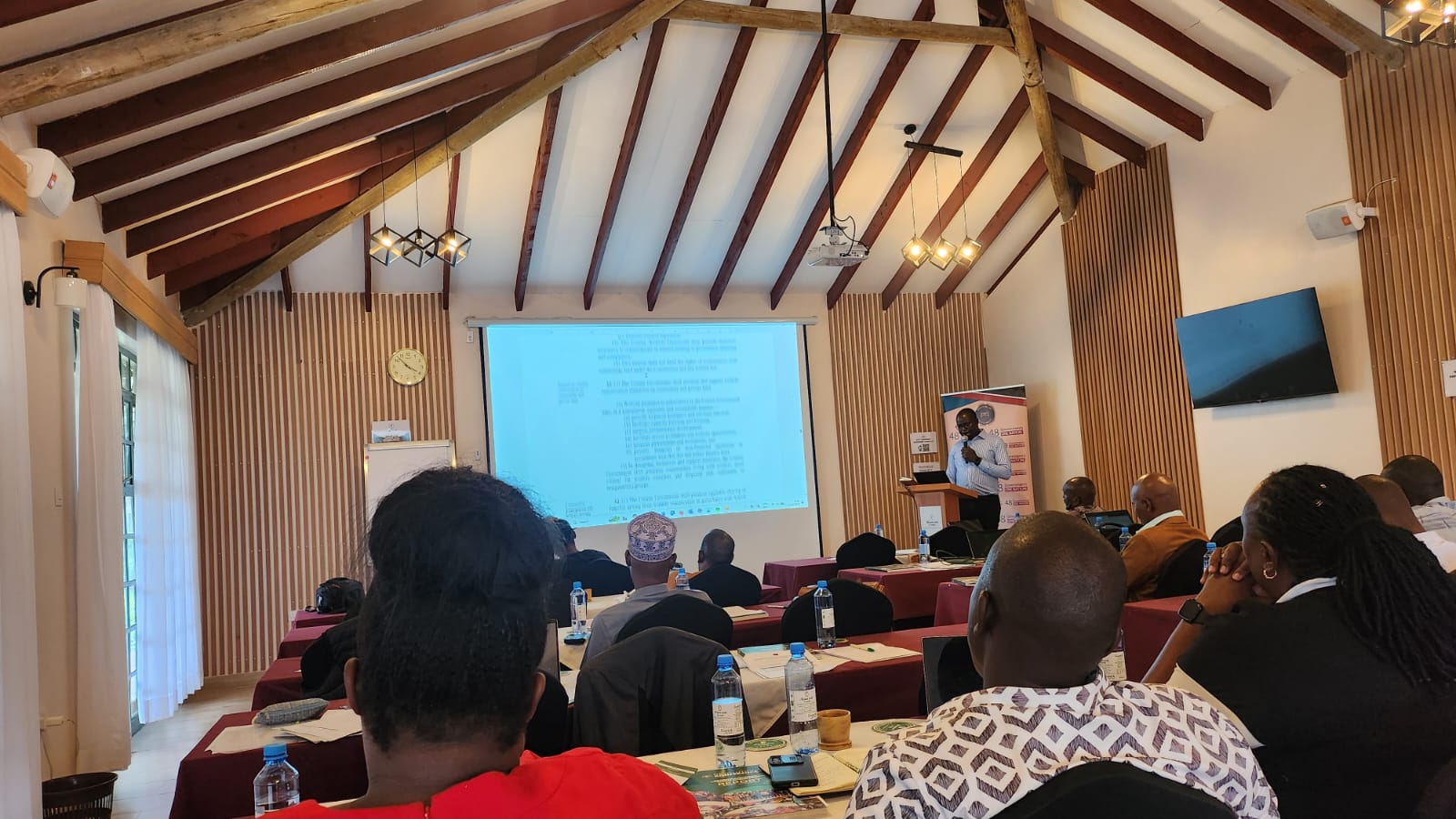
The discussion took place over a three-day meeting in Machakos convened by the Council of Governors, bringing together county chief officers in charge of tourism and wildlife from all 47 counties.
The discussion centred on the development of climate-responsive ecosystem management plans for national reserves, sanctuaries and conservation areas under county jurisdiction.
The workshop also focused on strengthening the capacity of county governments to design and implement ecosystem management plans, review existing policy and legal frameworks, and support counties in preparing draft management plans for selected conservation areas.
Officials said the aim is to ensure counties are better equipped to manage conservation areas in a way that responds to climate change, strengthens biodiversity protection and improves coordination in land-use planning.
The meeting also reviewed the Draft County Wildlife Conservation and Management Model Bill, 2026, which seeks to provide counties with a clearer legal framework for managing wildlife resources, protected areas and associated ecosystems.
The Bill outlines requirements for counties to develop management plans for each national reserve within their jurisdiction, including zoning for conservation, tourism and other regulated land uses.
It also promotes ecotourism and other nature-based enterprises as part of broader efforts to align conservation with sustainable economic development.
Lawyer Anthony Otieno, who presented the Bill, said the framework is intended to strengthen governance, improve accountability and ensure that conservation efforts also deliver benefits to local communities.
“The intention is to ensure counties have a proper governance structure for wildlife conservation, benefit sharing with communities, revenue management and ecosystem protection while still safeguarding conservation objectives,” he said.
Under the proposals, revenue generated from county-managed national reserves would be channelled into County Revenue Funds in line with the constitution and the Public Finance Management Act.
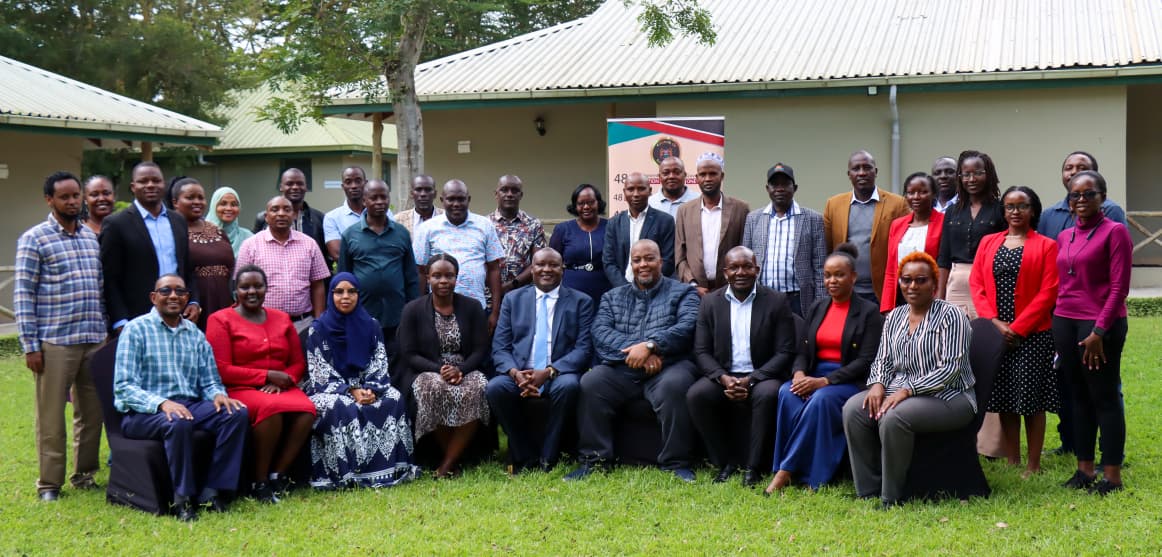
A group photo of county officials in Machakos for a training /NANCY AGUTU
Counties would, however, be required to reinvest a significant share of the revenue into conservation and ecosystem restoration, including maintenance of infrastructure and visitor facilities, protection of wildlife corridors and dispersal areas while also supporting community development and benefit-sharing initiatives.
Officials said the revenue framework is intended to ensure that wildlife resources contribute directly to both conservation sustainability and local economic development, particularly in areas surrounding protected landscapes.
The Bill further proposes the development of county wildlife conservation strategies to guide investment priorities, enhance tourism potential and promote sustainable use of natural resources.
County governments would also be encouraged to support wildlife conservation on community and private land through incentives such as technical assistance, infrastructure support, investment partnerships and promotion of wildlife-based enterprises.
Ken Oluoch, the technical lead for the Tourism and Wildlife Committee at the CoG, said the reforms are aimed at enabling counties to tailor conservation laws to their specific ecosystems and development needs.
“This is to help the counties to customise the legislative Bill to help them conserve and manage wildlife in county government-managed areas,” he said.
Scientists and conservation experts cautioned, however, that stronger legal safeguards and policy coherence would be necessary to ensure that expanded economic use of wildlife does not undermine conservation goals.
Joseph Mukeka, a researcher with the Wildlife Research and Training Institute, said conservation efforts must ensure communities see tangible benefits if they are to succeed in the long term.
“People will not protect what does not make sense to them,” he said, noting that wildlife populations in some areas continue to decline despite existing restrictions.
He added that climate change and prolonged droughts have worsened pressures on wildlife, with herbivores among the most affected due to shrinking grazing areas and degraded ecosystems.
Officials from the State Department for Wildlife said recent wildlife census findings from 2021 to 2023 showed significant impacts on species populations due to changing weather patterns, habitat loss and human encroachment.
Conservation secretary Dr John Chumo said antelopes and elephants were among the most affected species, while wetlands—critical wildlife habitats—continue to face pressure from agricultural expansion and pollution.
“We have left wetlands for farms and dumping sites instead of making them useful,” he said.
Chumo urged counties to strengthen climate-resilient infrastructure and improve ecosystem management systems to protect remaining wildlife habitats and restore degraded landscapes.
He also raised concern over low revenue generation from wildlife and tourism in some counties despite their rich conservation assets.
As climate change continues to intensify pressure on ecosystems, officials said counties are increasingly being called upon to take a more active role in conservation, habitat restoration and sustainable land-use planning, balancing ecological protection with economic development.
The Machakos meeting ended with a call for stronger coordination between national and county governments to ensure that emerging conservation policies translate into practical action on the ground.