




Lillian Ng’ang’a, a well-known Kenyan author and public figure, recently sparked a lively debate online regarding the country’s childcare industry. Taking to her Instagram account, she expressed her surprise at the lack of professional babysitting services available locally.
The discussion has highlighted a significant cultural and economic divide in how children are cared for in Kenya compared to Western nations, such as the UK and the United States.
A Question of Popularity
In a post that quickly gained traction, Lillian Ng’ang’a noted that the concept of a casual babysitter — a staple of Western parenting — does not seem to have a strong foothold in Kenya. She mentioned that she was only aware of one agency providing such services.
“Babysitting is not popular here and I wonder why. I know an agency that does BS but that’s the only one I’ve heard of/seen around.”
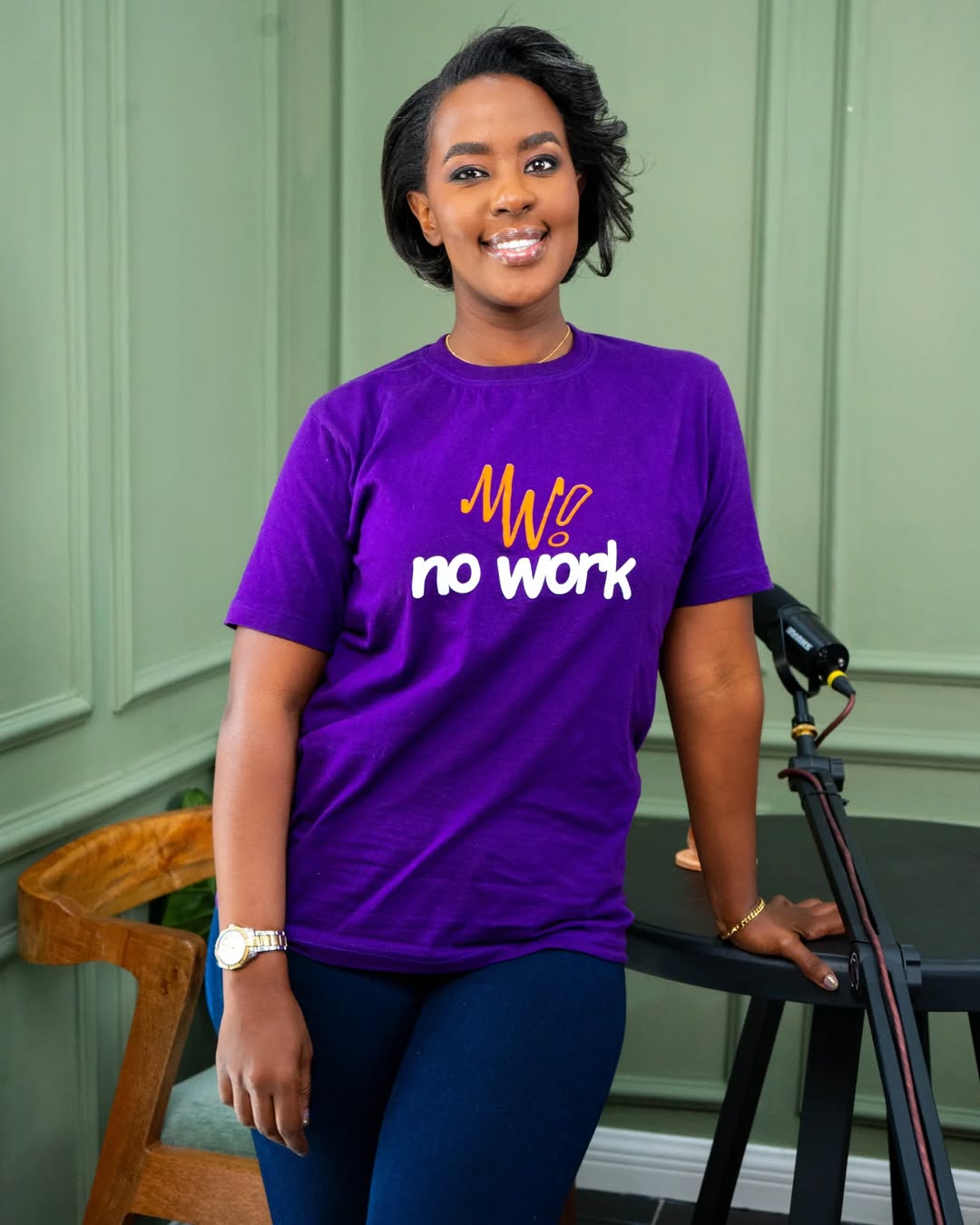
The author invited her followers to share their experiences. She also asked if they would even consider using a professional babysitter if more were available.
“Would you use a babysitter? Do you know of babysitting agencies?” she questioned.
Crucially, she emphasised that for any such service to work, background checks, health, and safety must remain the top priorities.
The Economics of Domestic Help
Netizens were quick to provide their theories on why the market is so small. The primary reason, according to many, is the cost of labour. In Kenya, hiring a full-time house help is a common practice for middle and upper-class families because the service is relatively affordable.
One commenter, @evemwikalishoray, noted that babysitting is a viable business model in the UK and US because hiring a full-time nanny or domestic helper in those countries is prohibitively expensive. In those regions, parents often rely on hourly babysitters — frequently students or neighbours — for short periods.
In contrast, many Kenyan households already have a “nanny” or “house help” who lives in or works daily. This makes the need for a separate, hourly babysitter redundant for most parents.
The Rise of Home-Based Alternatives
While formal babysitting agencies may be rare, other forms of childcare are emerging. Some netizens pointed out that daycares are a popular alternative where parents can leave their children during working hours.

“It’s not popular bcz it’s affordable to have a nanny. Also their daycares someonecan leave their child. My thots,” @jennymusyoki added.
Others are taking a more personal approach to filling the gap. One stay-at-home mother, @mar_iambakari, shared that she offers a “warm and home-based daycare” along Thika Road. Her service focuses on safety, play, and attentive care for children aged two to four.