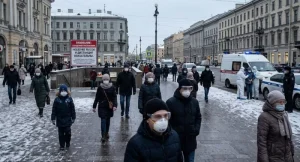

The strike, called by the Transport Sector Alliance, has seen matatus, boda boda operators and other transport players scale down or suspend services, leaving many commuters stranded and affecting businesses and school activities.
The shutdown began after EPRA’s latest monthly fuel review raised the prices of super petrol and diesel by Ksh.16.65 and Ksh.46.29 per litre, respectively, pushing Nairobi pump prices to Ksh.214.25 for super petrol and Ksh.242.92 for diesel, while kerosene remained unchanged at Ksh.152.78.
Transport operators said the price changes, coupled with taxes and levies, had made it difficult to operate without raising fares beyond what commuters can afford.
On Monday, protests were reported in several towns, with some roads blocked by burning tyres and stones. Interior CS Kipchumba Murkomen said four people died and more than 30 were injured during the demonstrations, adding that 148 suspects had been arrested. He blamed “rogue politicians” for mobilising gangs to loot and burn property, including a UDA office in Wote and trucks at the Rironi–Mau Summit road project site.
The government has insisted the fuel price shock is driven by global factors linked to the ongoing conflict involving Iran. National Treasury CS John Mbadi has said the government has limited room for further concessions, citing budget pressures, but confirmed talks were planned with matatu operators.
“We have a meeting… with the National Treasury, the Ministry of Transport… and the Ministry of Energy… together with the matatu operators… to explore any possibility of further action that can be taken,” Mbadi said.
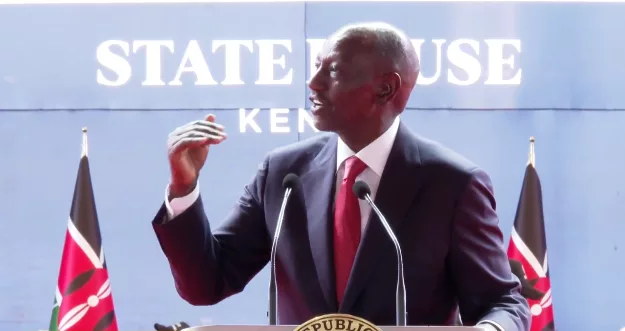
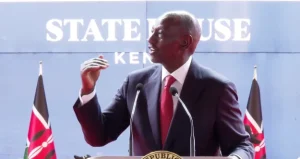
Deputy President Kithure Kindiki said President William Ruto, who is in Azerbaijan, directed him and Cabinet Secretaries Mbadi, Davis Chirchir, Opiyo Wandayi and Murkomen to convene a meeting with stakeholders, including public transport operators and manufacturers, to seek solutions to the fuel price crisis.
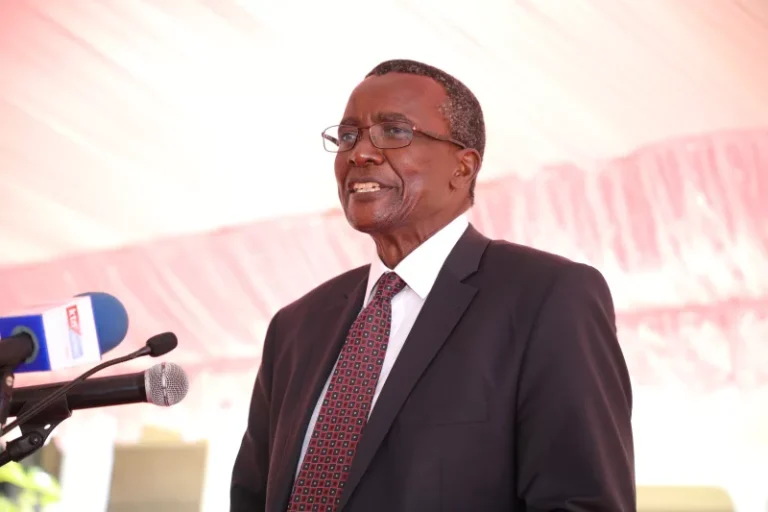
As the strike extended into Tuesday, pressure mounted on the government to intervene, with former Chief Justice David Maraga calling for Parliament to convene and approve tax relief measures, including exempting fuel products from VAT and temporarily removing levies.
Meanwhile, EPRA on Monday night announced a recalculation of the maximum pump prices for the period from May 19 to June 14 after a petition by public transport operators, citing the need to minimise the risk of fuel adulteration arising from the diesel-kerosene price difference.
Under the revised prices, diesel was reviewed downwards by Ksh.10.06 per litre while kerosene increased by Ksh.38.60, with super petrol unchanged. EPRA said super petrol, diesel and kerosene will now retail at Ksh.214.25, Ksh.232.86 and Ksh.191.38 per litre, respectively, effective midnight to June 14.