

The public transport strike in Kenya shows no signs of ending as transport operators reject the government’s latest offer. This stalemate continues despite a late-night intervention by the state to lower diesel prices.
The Energy and Petroleum Regulatory Authority (EPRA) announced a price reduction for diesel on Monday night. However, matatu owners insist that the Sh10.06 cut is insufficient to cover their rising costs.
The Government’s “Bridging” Strategy
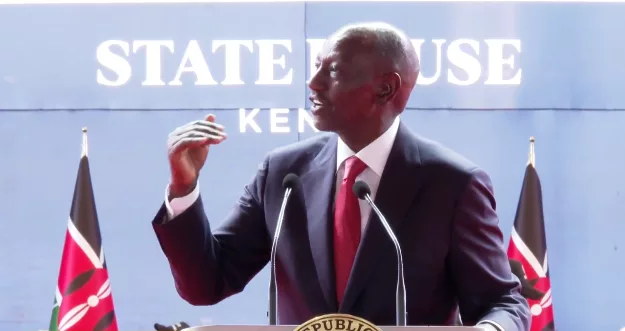
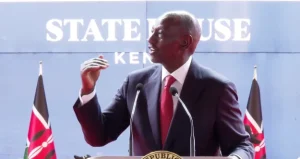
President William Ruto called an emergency crisis meeting on Monday evening to address the fuel crisis. The meeting included officials from the National Treasury, the Ministry of Energy, and the Ministry of Transport.
The government’s primary strategy was to “bridge the gap” between the prices of diesel and kerosene. Officials argued that a large price difference leads to fuel adulteration.
Kenya Matatu Strike
This is when cheaper kerosene is mixed into diesel, which can cause engine malfunctions in motor vehicles. To stop this, the government lowered diesel by Sh10.06 while simultaneously raising the price of kerosene by Sh38.60 per litre.
Why Operators Said No
Matatu owners feel the government is not listening to the scale of their financial struggle. Albert Karakacha stated that transport operators had requested a price reduction of at least Sh46 per litre.
He explained that many owners are currently unable to pay off their vehicle loans or maintain their services due to the high cost of fuel.
“We did not agree to anything,” Karakacha told reporters following the deliberations.
He noted that while the government offered a Sh10 reduction, the operators had communicated a need for a cut between Sh30 and Sh35.A Day of National Paralysis
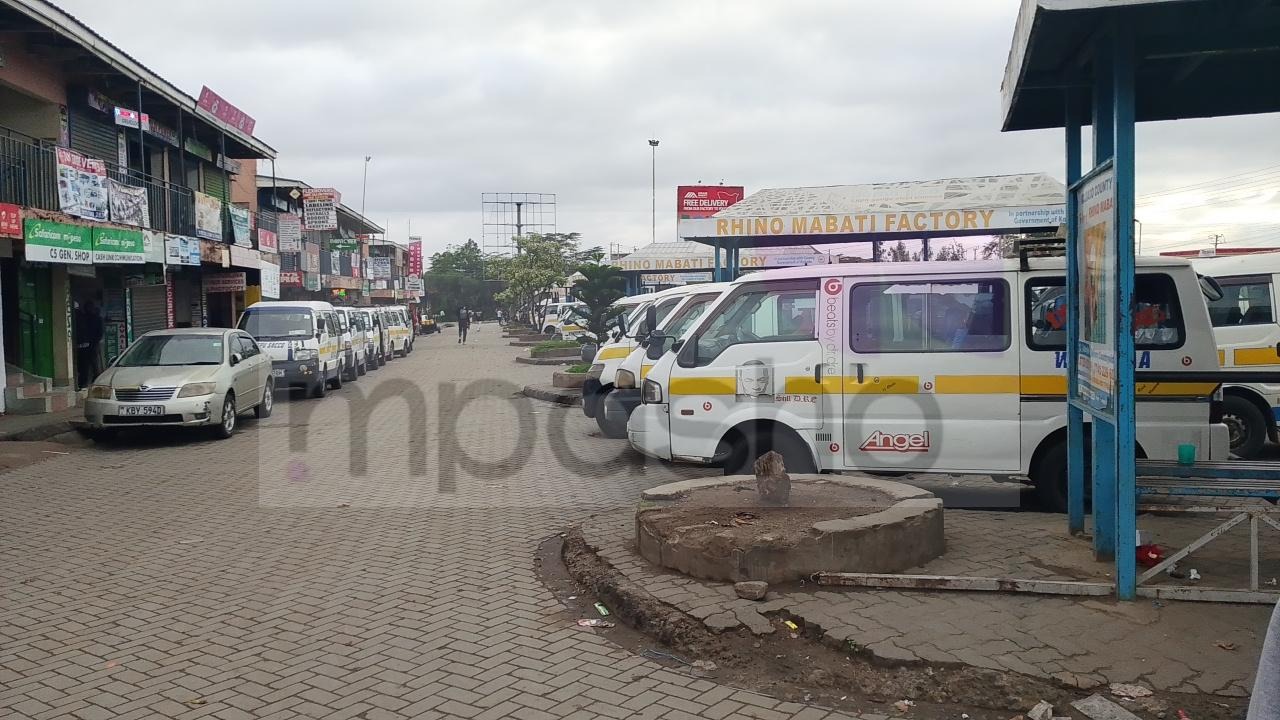
On Monday, 18 May 2026, countrywide protests brought the nation’s transport network to a standstill. Commuters in major towns were left stranded as public service vehicles stayed off the roads.
The demonstrations turned violent in several regions, and reports indicate that four people lost their lives during the unrest.
“The strike is still on and the vehicles will still stay at home. Nobody is going to block the road, but the strike will continue until we get a solution.” — Albert Karakacha, President of the Matatu Owners Association.
Matatu Strike
External Market Pressures
The Ministry of Energy has defended the high fuel costs by pointing to global market volatility. Officials stated that the ongoing conflict in the Middle East has made oil prices unpredictable.
As Kenya is a net importer of petroleum, it remains exposed to these external market dynamics.
While Deputy President Kithure Kindiki suggested the government might consider further tax cuts to ease the public’s pain, no final deal has been signed.
Further negotiations between the government and transport stakeholders are scheduled for Tuesday and Wednesday. Until a consensus is reached, matatu operators have urged their members to keep their vehicles at home.