
Persons with Disabilities (PWDs) have called for greater representation in government and improved access to opportunities, citing the need to strengthen equity and inclusion across the country.
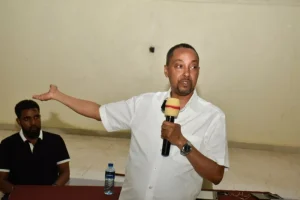
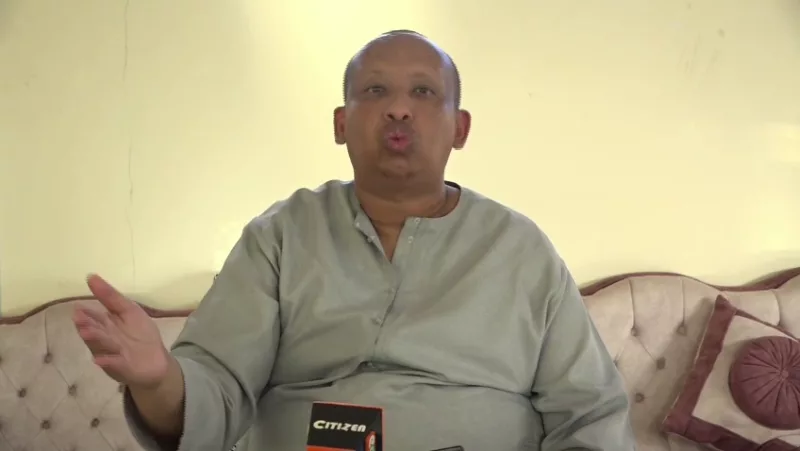
Speaking to the press in Garissa town, the group, led by Hafid Maalim Ibrahim, chairperson of Persons with Disabilities in Northern Kenya, said President William Ruto’s “Usawa ni Sawa” slogan should be reflected in policies and programmes that address the needs of the community.
Ibrahim, a member of the ODM Disability League and an aspirant for the Mandera Senate seat, said PWDs were seeking greater participation in leadership, public appointments and economic opportunities.
He said equality could be advanced through laws, funded budgets, accessible public services and employment opportunities for persons with disabilities.
“To us PWDs, we are treating ‘Usawa ni Sawa’ as a campaign mantra. It will only be truly meaningful after the election if it translates into enforceable laws, funded budgets, accessible public services and jobs for PWDs,” he said.
Ibrahim said deliberate measures were needed to address barriers affecting the community’s access to opportunities and participation in decision-making.
He called for increased representation of PWDs in Cabinet, Principal Secretary positions, diplomatic missions, state corporation boards and county executive positions.
“We do not want rhetoric; we want state appointments. We do not want wheelchairs sitting on the sidelines; we want wheelchairs at the high table,” he said.
“Equality on paper means nothing if PWDs are still seeking space at the table. True equality is not sympathy; it is power-sharing. The President must ensure the equity he has been advocating is realised across the country,” he added.
Ibrahim said political representation should be accompanied by measures to improve access to economic opportunities and government services.
He said PWDs in Northern Kenya faced additional challenges linked to poverty, geographical isolation and limited access to essential services.
Ibrahim also raised concerns about access to tax exemptions and other benefits administered by the Kenya Revenue Authority (KRA).
He said inaccessible offices, long distances and administrative procedures posed challenges for persons with disabilities seeking the services.
Ibrahim called for tax exemptions and other government interventions to be accessible to PWDs in Mandera, Garissa and Wajir, including those living in remote areas.
“Political power without economic power is useless. Persons with disabilities in Northern Kenya face challenges related to taxation, inaccessible KRA offices and bureaucratic hurdles. Tax exemptions must reach the grassroots, not just remain in Nairobi,” he said.
He said that, if elected senator, he would prioritise legislation and oversight to address challenges facing PWDs.
His proposals included mobile KRA service clinics to bring services closer to persons with disabilities in remote areas, the harmonisation of disability exemption certificates and increased funding for disability programmes.
He said Parliament should also strengthen oversight to ensure government institutions complied with disability inclusion requirements and that allocated resources reached intended beneficiaries.
“Nothing for us, without us. We have the capacity, qualifications and experience to lead. What we are demanding is an equal opportunity to serve and participate in decisions that shape our lives,” he said.
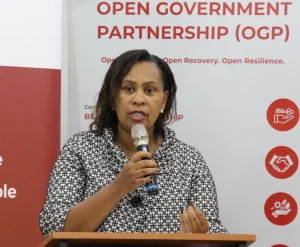
Garissa County PWD chair Adan Bille, who also spoke at the press briefing, highlighted challenges facing persons with disabilities across Northern Kenya.
He said their access to essential services was affected by geographical conditions, infrastructure gaps and the region’s predominantly pastoralist way of life.
Bille said poor road networks and limited disability-friendly public transport made it difficult for many to access hospitals, schools, markets and other essential services.
“The shortage of specialised healthcare facilities is another major concern, with PWDs requiring physiotherapy, rehabilitation, orthopaedic services and repairs to assistive devices often forced to travel long distances to major urban centres,” he said.
He added that the availability of local rehabilitation facilities and trained specialists would help persons whose wheelchairs, crutches and other mobility aids required repairs or replacement.
Bille said disability inclusion should be treated as a constitutional obligation and a fundamental aspect of equal citizenship.