

The Ogiek community of Mt Elgon has begun developing a long-term strategic plan to guide the future of its ancestral land, strengthen cultural identity and protect the environment for generations to come.
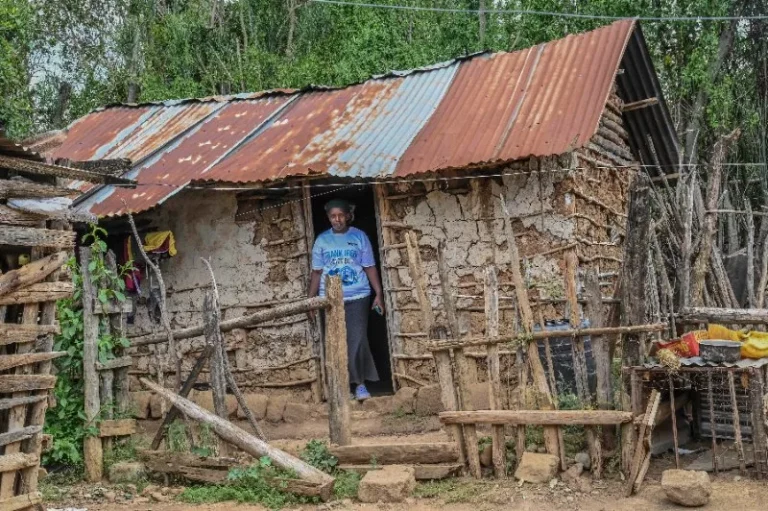
The initiative comes after the community won a landmark court case in 2022 that restored the status of Chepkitale Trust Land, an 80,000-acre ancestral territory that had been gazetted as a game reserve in 2000, to community land.
With the land registration process under way, the Ogiek are now seeking to define their own development priorities, conservation principles and governance structures through a community-initiated life plan.
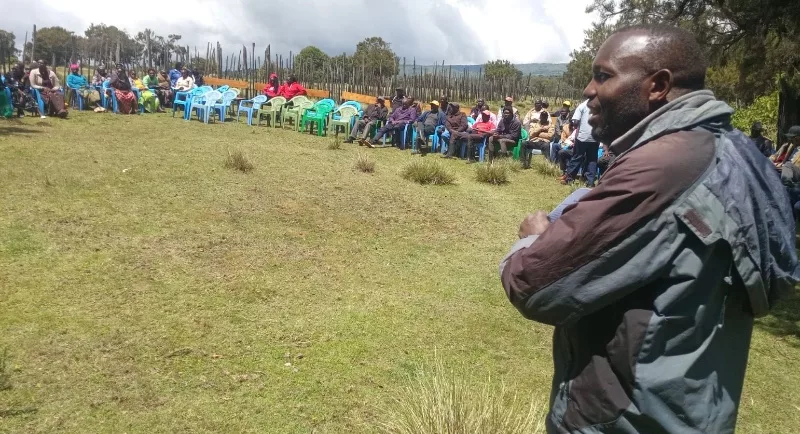
The community, with support from the Chepkitale Indigenous People Development Project (CIPDP), launched the process on October 21 during a four-day consultative forum in Chepkitale location.
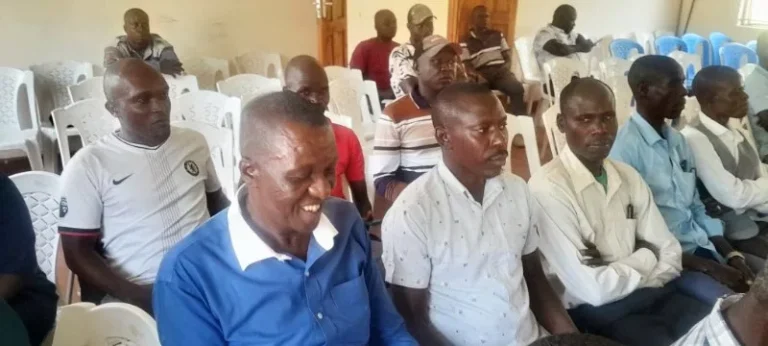
The forum brought together elders, women, youth, neighbouring communities, representatives of the Bungoma county and national governments, researchers from Moi University, international organisations and members of Colombia’s Misak indigenous community.
Supported by Nia Tero, the initiative is expected to produce the Ogiek’s first long-term, community-led vision and development plan.
A life plan is a tool used by indigenous communities to define their own development priorities based on customary values, knowledge and aspirations, rather than relying on plans imposed by governments or donors.
CIPDP executive director Peter Kitelo said the process would enable the community to articulate its priorities around self-determination, cultural resilience, environmental stewardship and development.
“We plan to preserve traditional knowledge, including governance, spiritual tradition, totemic systems, sacred sites, biodiversity practices and livelihood strategies,” Kitelo said.
He added that the plan would provide a framework for addressing present and future challenges, including climate change, marginalisation and changing land policies.
It is also intended to strengthen community cohesion, revive cultural memories and build consensus across generations.
“The plan will establish practical priories for many generations and serve as a living documents to evacuate progress over time,” he said.
The Ogiek intend to use the plan to guide decisions for the next 50 years.
“We won our land back and we have began the registration process. The life plan will guide us for the next 50 years,” he said.
Among the issues under discussion is land and conservation, with the community seeking to formalise customary by-laws that prohibit charcoal burning, commercial crop farming and tree felling.
The plan will also address the protection of culture and heritage by mapping sacred sites, burial grounds, salt licks and honey trees around Chepkitale Hill. The community is also considering ways to revive its language through community radio.
On livelihoods and climate adaptation, the Ogiek are exploring measures to promote drought-tolerant crops, indigenous cattle breeds, beekeeping and the collection of wild berries.
Governance is another key area, with discussions focusing on how the community will manage its pending community land title, resolve boundary disputes with neighbouring communities and engage with Bungoma county.
Elder Cosmas Murunga said the discussions were crucial to the community’s future survival.
Johnson Takur, chairman of the Ogiek Council of Elders, said the plan would also help shield the land registration process from politicisation.
“The life plan will show that Chepkitale is not idle land for resettlement schemes. It is a community-conserved area that feeds elephants, feeds us, and stores water for Bungoma and Trans Nzoia counties.”
The community hopes the plan will provide a shared framework for balancing livelihoods, cultural preservation and environmental conservation while establishing priorities that can be passed on to future generations.
According to Kitelo, the life plan is expected to be finalised by the end of this year and presented to stakeholders for implementation.