


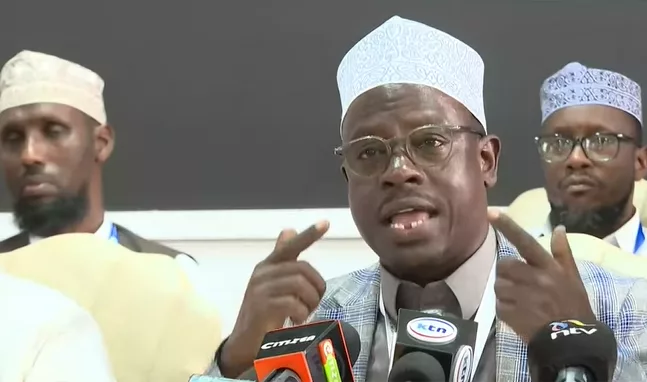
The Supreme Council of Kenya Muslims (Supkem) has called on political leaders not to put their ambitions ahead of Kenyans’ welfare, urging them to address the economic pressures facing households as the country edges towards the 2027 general election.
The council called on the government and opposition to put aside political differences and forge common ground on the rising cost of living, healthcare reforms and youth unemployment, warning that endless political friction could undermine national development and social cohesion.
“Political self-preservation often takes precedence over public service, leaving the vulnerable sections of our society exposed to economic hardship and social fragmentation,” Supkem said in a statement released on October 14.
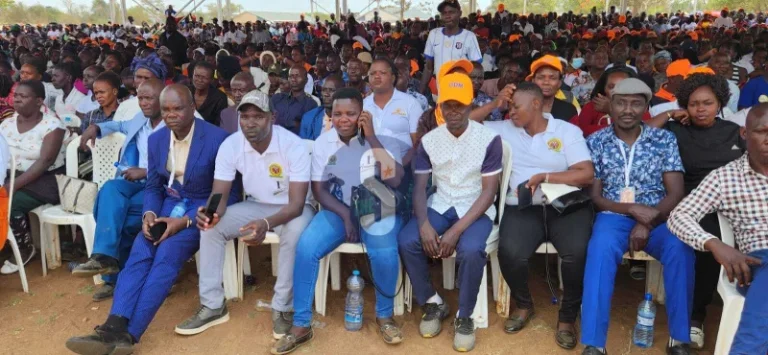
The statement followed Supkem’s annual general meeting held at Weston Hotel in Nairobi on Wednesday, which brought together delegates, scholars and leadership representatives from all 47 counties to review the organisation’s governance and its role in national affairs.
The council anchored its recommendations on the Islamic principle of cooperation in righteousness and piety, drawn from the Holy Qur’an.
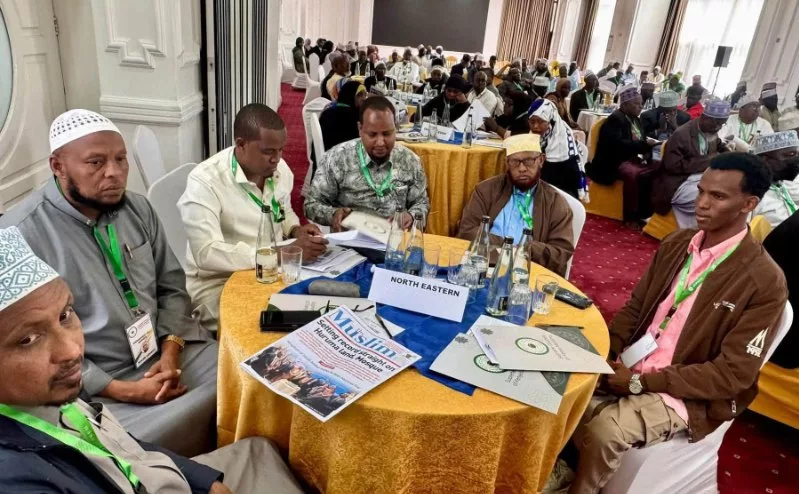
Delegates attend Supkem’s annual general meeting at Westin Hotel, October 14 /HASSAN OLE NAADO
Supkem’s appeal comes at a time the country has entered a full electioneering period, with political leaders holding campaigns and mobilising support across the country, despite the official campaign period set by the Independent Electoral and Boundaries Commission (IEBC) being scheduled to begin on May 29, 2027.
The 2027 general election has been touted as a high-stakes contest, with political leaders leaving nothing to chance as they position themselves for the race.
Supkem cautioned that the growing political manoeuvring must not overshadow the everyday struggles of Kenyans, particularly vulnerable households grappling with economic hardship.
“Cooperation must not be about political deals for power-sharing [alone], but about relief for the Kenyan mwananchi,” the council said, urging both sides of the political divide to pursue practical solutions to the country’s challenges.
The Muslim umbrella body also condemned political strategies that exploit ethnic and religious divisions, warning that inflammatory rhetoric could threaten national peace.
It called on political actors to abandon antagonistic politics and narrow sectarian interests in favour of cooperation that advances human dignity, economic equity and ethical leadership.
“We want to see competition that is of value to Kenyans, not name calling and open show of disrespect because our children are watching and listening and tomorrow it will be very difficult to counsel them that it’s wrong to use such language,” Supkem chairman Hassan Ole Naado said.
He said the country needed peace, wisdom and maturity among its leaders, urging the political class, civil society and citizens to work towards a united and just society.
The council said political leadership is a public trust that demanded accountability, warning that those in power must be answerable for their decisions and stewardship of public resources.
“We demand absolute transparency and God-fearing consciousness in the management of public resources,” the council said, describing corruption as a serious wrongdoing that undermines society.
It called for stronger and independent oversight institutions, urging leaders to respect their mandates and ensure public resources are managed transparently.