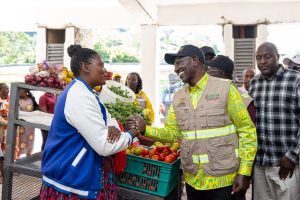



A cross-border Agroecology trade dialogue in Busia has brought together stakeholders to explore ways of easing trade barriers, strengthening market access for farmers and promoting the movement of Agroecological produce between the two countries.
The dialogue, supported by the Participatory Ecological Land Use Management (PELUM) with funding from the Alliance for Food Sovereignty in Africa (AFSA) seeks to strengthen regional cooperation and address challenges affecting farmers and other actors involved in Agroecological production and trade across the Kenya-Uganda border.
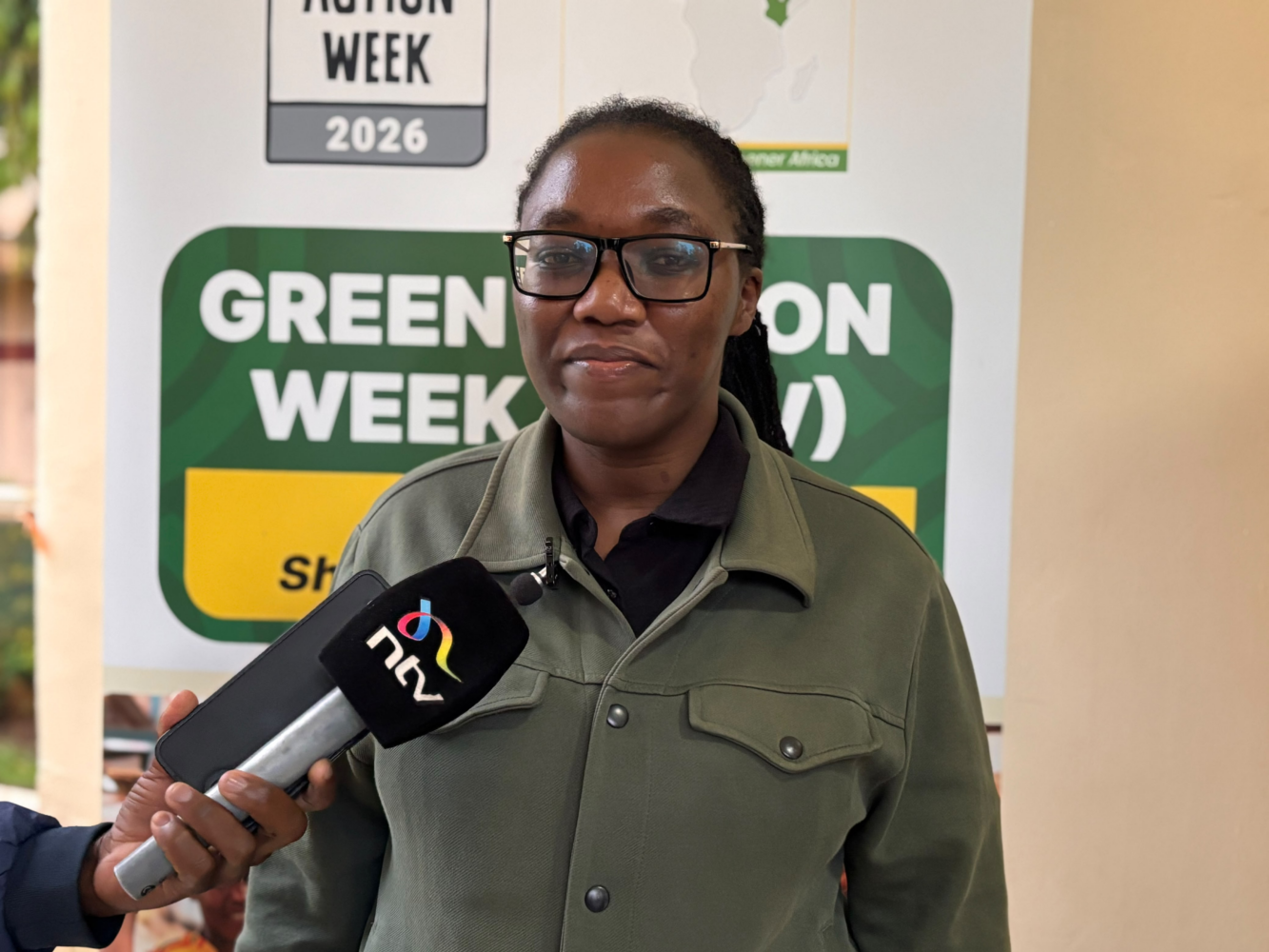
Speaking to the press during the dialogue in Busia, Moraa Ratemo, a programme officer coordinating market development at PELUM, said Busia was selected because of its strategic position as a major cross-border trading hub connecting farmers and traders from different regions.
“Compared with other border points, Busia has high volumes of Agroecological products because it connects many counties and serves traders moving goods to different destinations, including the Democratic Republic of Congo (DRC),” she said.
Ratemo said research conducted in the area established that maize, sorghum and beans were among the major agricultural commodities traded across the border, making Busia an important entry point for discussions on strengthening markets for Agroecological produce.
She said improving cross-border trade requires stakeholders to address challenges affecting farmers and traders while creating reliable markets for agricultural products produced through environmentally friendly farming practices.
“As an organization, we promote Agroecology. In simple terms, Agroecology means farming in a way that protects the environment and reduces reliance on synthetic fertilisers and other harmful agricultural inputs,” Ratemo said.
She added that the initiative was also encouraging the Busia County Government to develop and finalize its Agroecology policy, noting that market access should be among the key issues addressed in the proposed framework.
Ratemo said that farmers need dependable markets for their produce to make Agroecological farming economically viable and encourage more households to adopt the practice.
“When you want farmers to produce, you must also provide somewhere for them to sell their products. In Busia, a site at Soko Mawe has been allocated for the launch of an Agroecology market,” she said.
Ratemo said the organization intends to support the establishment of Agroecological markets in every sub-county in Busia, giving farmers more opportunities to sell their produce locally and reducing the difficulties associated with accessing buyers.
She urged consumers to support local farmers by purchasing agroecologically produced food, saying consistent demand would motivate producers to continue investing in environmentally sustainable farming methods.
“As consumers, we want to encourage people to buy from our farmers to motivate them to continue producing. Agroecology involves a transition, and farmers need support throughout that process,” she said.
Ratemo reported that they are working with more than 120 farmers in Busia who had undergone training in Agroecological farming and could supply produce to the proposed market.
She said the organization has also trained farmers on organic certification to help them meet the relevant standards and give consumers greater confidence in the products they purchase.
“When farmers are certified, consumers get assurance about the products they are buying,” she said.
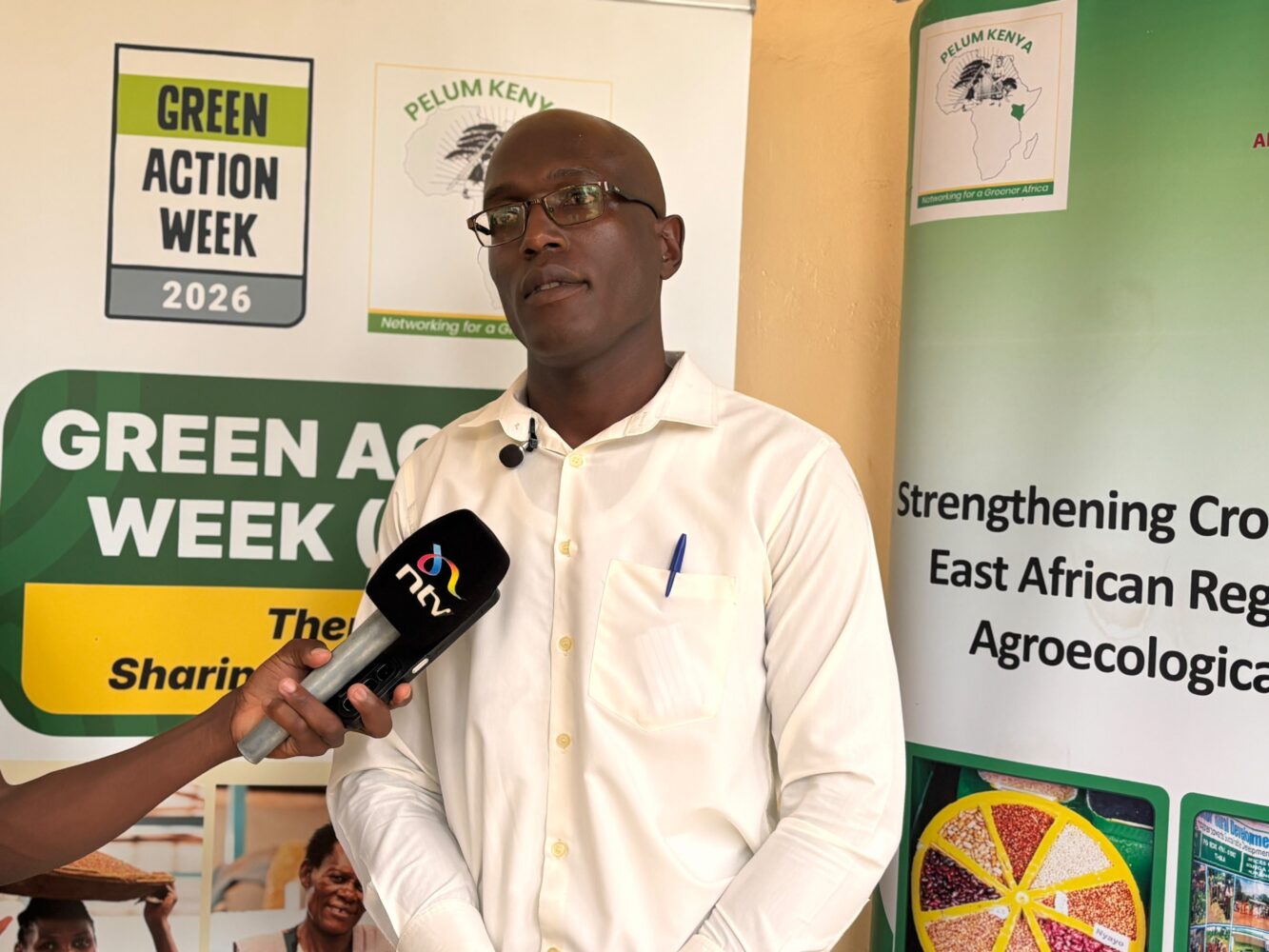
Dr. David Erulu, chairman of the Busia Cross-Border Traders Association, said the engagement is very important in raising awareness about food production methods and encouraging consumers to pay greater attention to the quality of food they eat.
Erulu expressed concern over the use of excessive chemicals in food production and preparation, arguing that greater awareness of farming practices was necessary to promote healthier food choices.
He described the proposed Agroecology market in Busia as an important step towards giving consumers a designated place to purchase fresh produce from farmers practicing Agroecological farming.
He said farmers operating along the border are gradually embracing the approach following sensitization and stakeholder engagements, including a renewed interest in traditional foods and the use of organic manure.
“Agroecology at the border has not been very widespread, but people are gradually picking it up. Following sensitization and engagements, farmers are returning to traditional foods and using organic manure,” Erulu said.
He added that continued engagement between farmers, traders, consumers and government agencies would be necessary to expand the adoption of Agroecology and create sustainable markets for the resulting produce.
Michael Maloba, deputy director in the Department of Trade, Energy and Industry in the Busia County Government, said the dialogue provided a platform for stakeholders to discuss challenges and opportunities in cross-border trade involving Agroecological products.
Maloba said the county lacked a dedicated Agroecology policy to guide the production, promotion and marketing of such products, but the county government is working towards developing a framework to support the sector.
“As the county government, we have not had an Agroecology policy to guide the production of Agroecological produce and its trade,” he said.
He said the proposed policy would provide direction on scaling up Agroecological farming across the county while helping establish markets specifically intended for products grown using the approach.
Maloba said the county government’s engagement with stakeholders is important in ensuring that the policy reflected the needs of farmers, traders and other actors involved in the agricultural value chain.
The development of local markets, he added, would complement efforts to strengthen cross-border trade by creating more structured opportunities for farmers to sell their produce.
https://www.tv47.digital/busia-dialogue-seeks-to-ease-cross-border-agroecology-trade-between-kenya-and-uganda-165889/