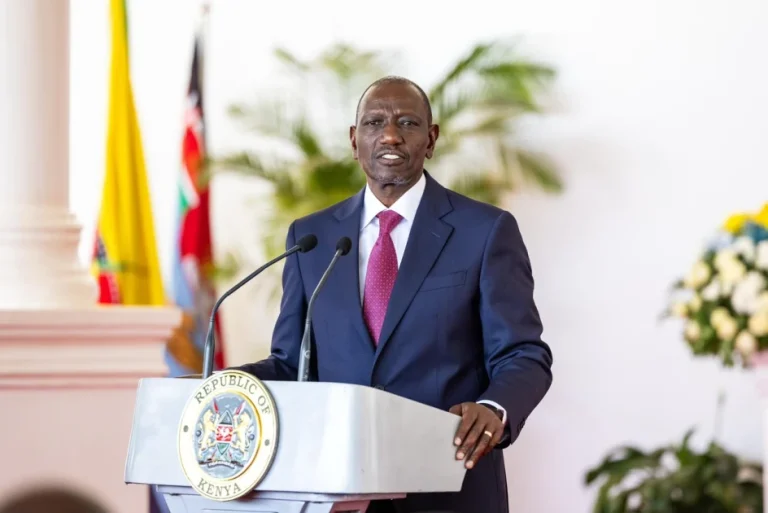




Health Cabinet Secretary Aden Duale has ruled out closing Kenya’s borders following the confirmation of an imported Ebola case, saying the government will instead strengthen screening and testing at points of entry.
Duale said Kenya, as a member of the World Health Organization, could not close its borders or discriminate against travellers at airports.
He said closing borders could encourage people to use illegal entry points, making it harder for authorities to screen and monitor travellers.
Duale said 276 people had so far been tested, including some who were identified with symptoms upon arrival at points of entry.
“We are members of the World Health Organization, we cannot close borders, we cannot discriminate on airports, and it’s the responsibility of governments to make sure in every point of entry there must be enough infrastructure to do the testing and the screening. If you close and discriminate, then people will come in through other illegal entries. We will not close,” CS Duale said.
“Out of the 276 we have tested, some of them were found to have symptoms when they arrived at the points of entry; once they are tested and they are negative, then they are released. There is no way we can put in very strict measures like the US.”
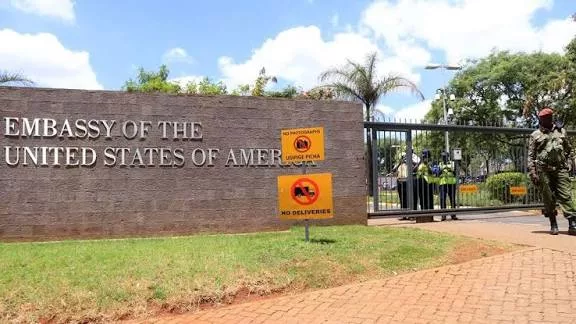
The CS said the government would continue using screening and testing measures rather than imposing very strict restrictions similar to those adopted by the United States.
Duale said the World Health Organization had acknowledged Kenya’s response to the imported case, particularly the country’s transparency, openness in healthcare delivery and the speed with which health authorities responded to the patient.
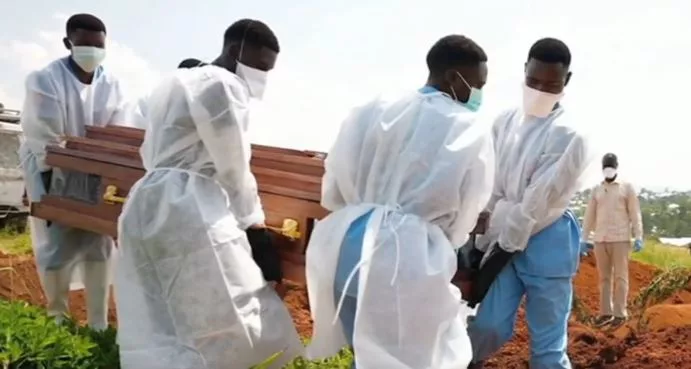
He said there was no physical outbreak of Ebola in the country and urged Kenyans not to panic.
“This is an imported case; there is no physical outbreak of Ebola in our country,” Duale said.
The CS urged Kenyans to familiarise themselves with Ebola symptoms and observe precautions to reduce the risk of transmission.
He asked the public to avoid handshakes, hugging and crowded places for the time being, while maintaining regular handwashing with soap and using alcohol-based hand sanitiser.
Duale also urged anyone experiencing symptoms to seek medical attention or call the emergency hotline 719, after which a healthcare worker would assess the situation and arrange for further assistance if necessary.
His remarks come as the Ministry of Health continues to advise Kenyans to limit physical contact and avoid large gatherings during the ongoing response.
Director General for Health Patrick Amoth said large gatherings could become potential hotspots for transmission because of increased contact between people.
“We are still in the response phase, and we really discourage large gatherings because they are a potential source of contact and therefore spread of the disease,” Amoth said.
He urged Kenyans to replace handshakes and hugs with less-contact greetings such as waving and to continue observing infection prevention measures.
“Gatherings are potential hotspots for the spread of the disease, and they are discouraged, whether they are political or family gatherings. Any large gathering poses a risk,” he said.